A personal letter
From the desk of
Paal S. Dinessen
Huai Yai Estate · Thailand

Letter from the author
Welcome to my autobiography, The Norwegian: A Life Less Ordinary.
My personal story is an honest reflection, not an exercise in nostalgia. I reveal the true story of an authentic yet untypical, hopefully refreshingly unconventional life, from early childhood through adulthood. This story weaves through the lives of my friends and colleagues, especially those who have braved the depths in diving and subsea construction.
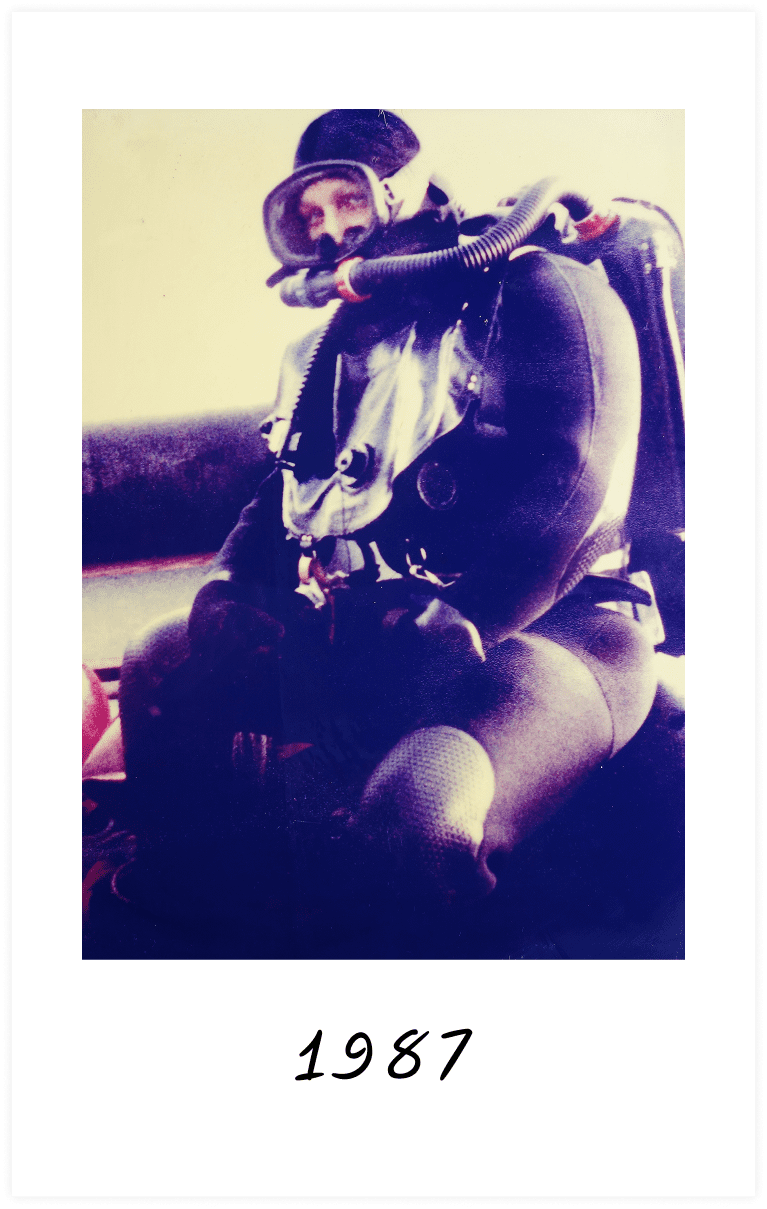
I share hands-on experience from deep below and from deck level, along with detailed technical and historical information on North Sea oil and gas exploration, which some readers may find less captivating; however, they are essential. The intermissions appear in both short chapters and interspersed throughout.
Along the way, interwoven with personal reflections and emotions, I weave in sentiments because they remain part of my journey, and this is my life in my own words.
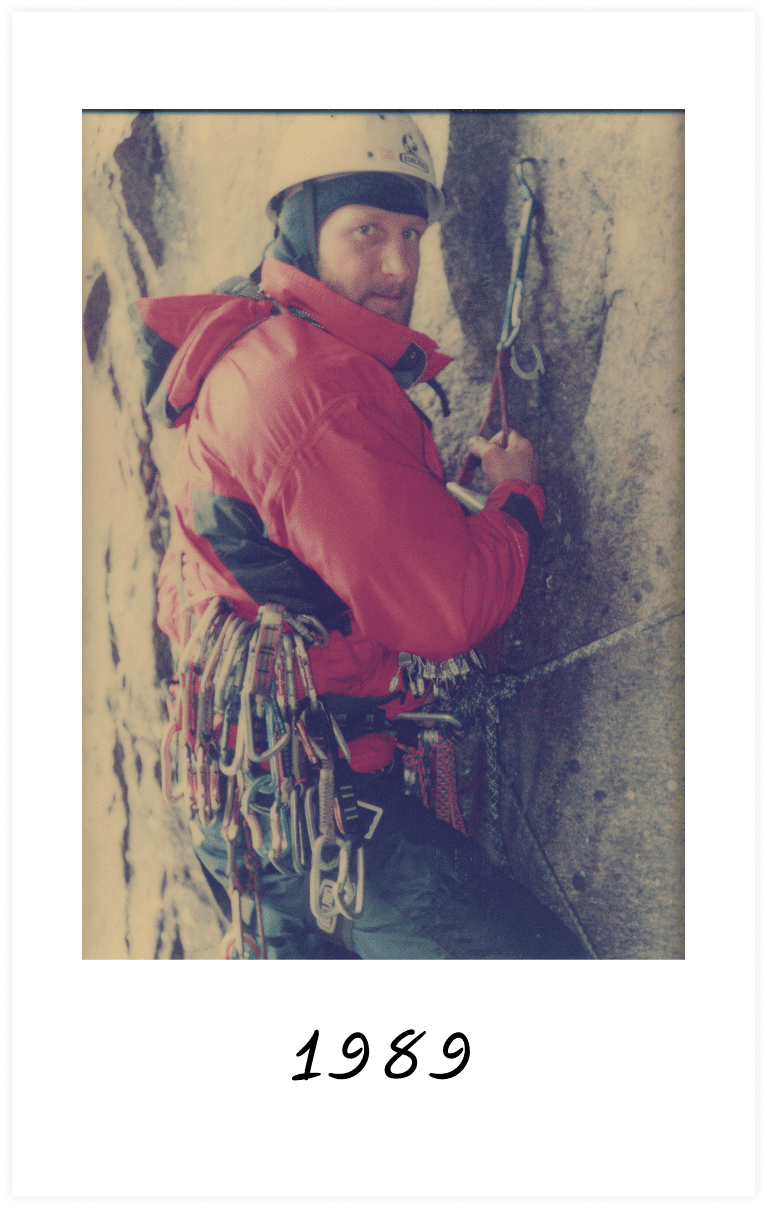
I have genuinely been charmed by a life jam-packed with wondrous people, unforgettable experiences, excitement, and adventure, and have blessedly emerged relatively unscathed.
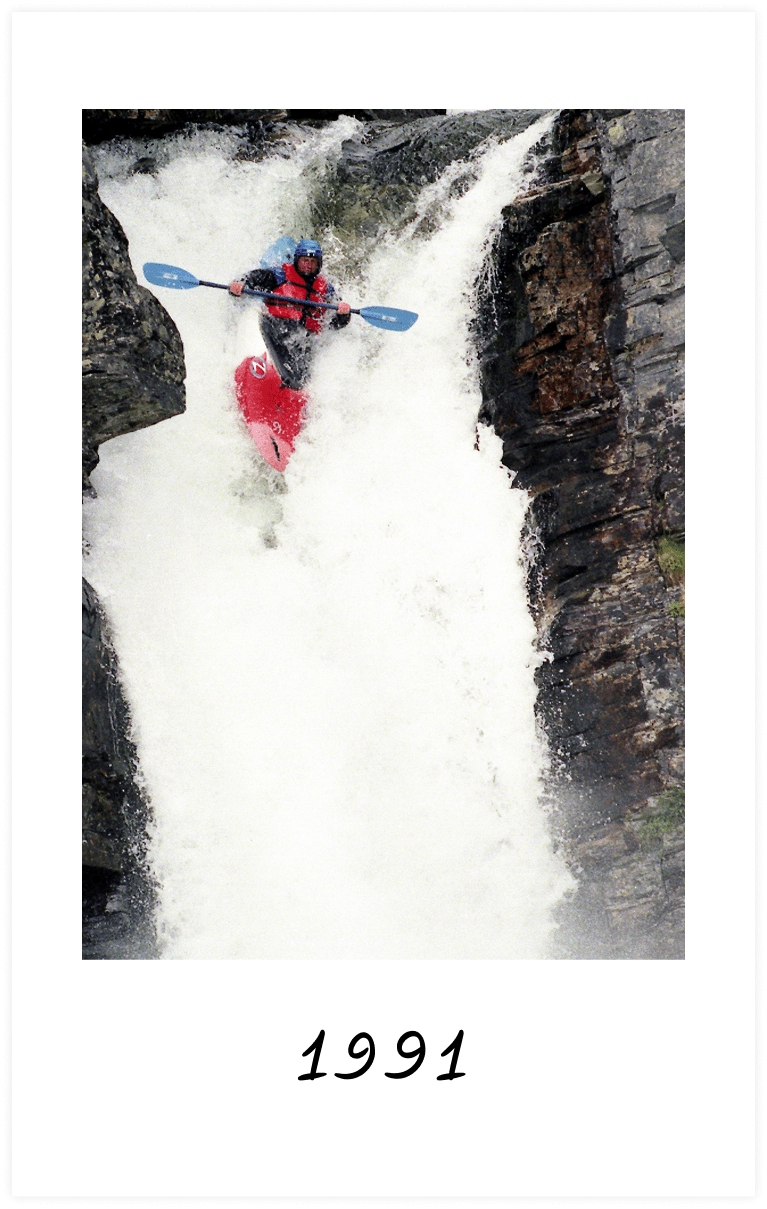
The book's volumes are not a novel but an epic, comprehensive, wide-ranging, detailed factual account of a lifetime of adventure and toil. Barents Sea fishing, violence, naval, inshore and offshore diving, nightclub and hotel trades, extreme sports, relationships, offshore pipelaying and construction, subsea intervention, business ventures, farming, and much more are delineated.
These four volumes spring from painstaking research, a tapestry of interviews, a wealth of readings, and heartfelt explorations into the echoes of the past.
While contemplating retiring from a life on the high seas in 2018, a life that had been enthralling and, at times, dangerous, I seriously began pondering the opportunity to take time to write an extensive work, ignorantly and, might I say, naively perceiving that being an author was an undemanding occupation signified by wine, cigars, and bliss with an added dash of boredom. Reality, of course, proved otherwise.
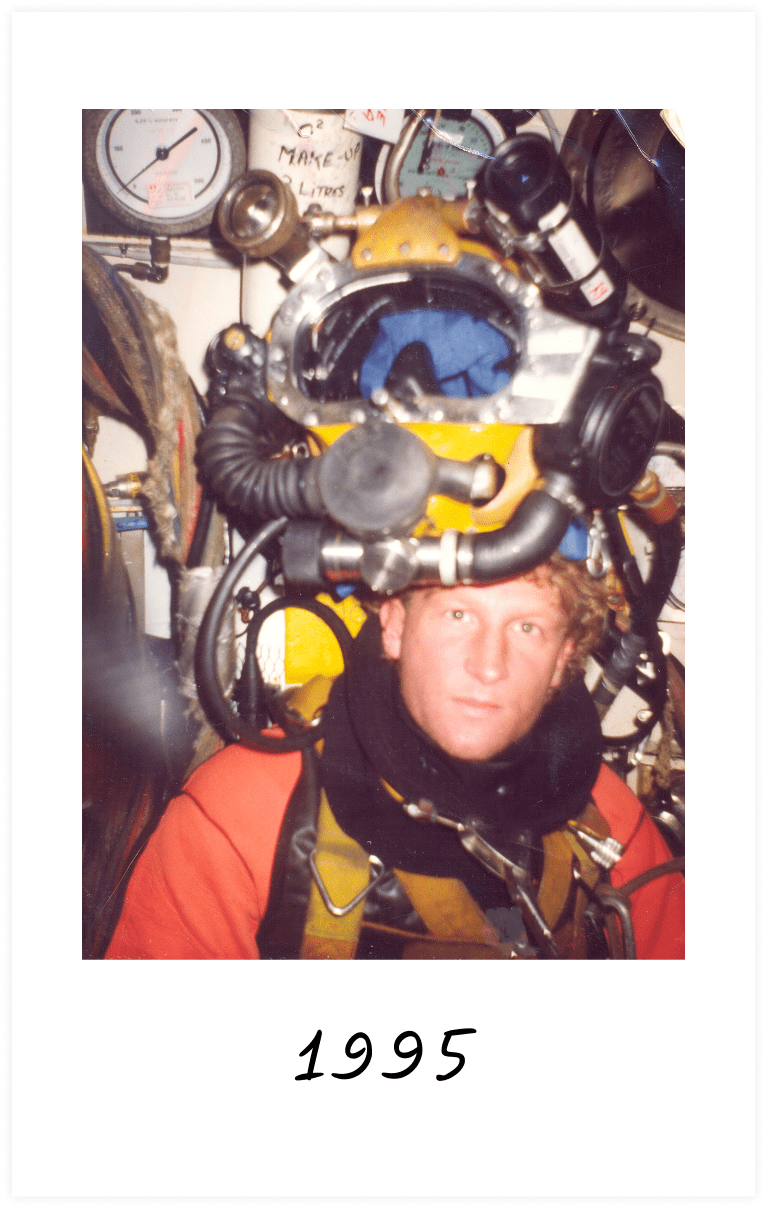
However, time and memories are not always the best cohabitants; they are more like uneasy companions. Like a squirrel, I am a hoarder by nature and, over the years, have saved pictures, newspaper clippings, notebooks, dive logs, timesheets, payslips, tax forms, bank documents, company accounts, diaries, and much more.
My habit has ultimately saved me thousands of additional hours that I would otherwise have spent chasing fading recollections, rewriting, reminiscing, interviewing, reading, and researching.
By 2026, eight years hence, the ever-evolving autobiography has grown to well over two thousand five hundred pages, not including the expansive appendices in volume four. At times, I have wondered if the opportunity was a blessing or a curse.
Writing is, to put it mildly, painstakingly hard work, however driven one's personality is, especially so when compounded by slight dyslexia and entering into an entirely new occupation, having to acquire knowledge on how to delineate one's thoughts and memories onto paper. A personal library with over eight thousand books has undoubtedly alleviated the monumental task.
The extensive sections in these volumes on offshore oil and gas fields are respectfully dedicated to the brave oil-field and offshore workers—sailors, drillers, helicopter pilots, engineers, technicians, marine crew, support staff, and others before them—who lost their lives while confronting unknown and inhospitable skies, lands, and seas with the limitations of early-generation inferior equipment.
The diving-related chapters are dedicated respectfully to the memory of those brave aquanaut pioneers who struggled through hell and deep water, enduring unimaginable hardship beneath the surface, many of whom succumbed to the dangers therein and, lamentably, paid the ultimate price.
They broke barriers, pioneered equipment development, and, through trial and error, crafted safety procedures and protocols so that my generation could, blessedly, reap the benefits. Thus, they laid the foundations and paved the way for those of us who took up their mantle. Without their ultimate sacrifices, this extensive biography would not have been possible.
If you desire to understand the actual, factual inner workings and details of deep diving, flexible/rigid pipelay, and subsea construction, you will find much enlightening information on these pages.
Lest anyone think I have exploited my friends and colleagues on these pages, I want it known that, except for all those who remain incognito or are deceased, sadly, several died during the book's writing. To avoid losing friends, I asked all the good people interviewed to proofread and personally approve their profiles, histories, and stories, striving to ensure the accuracy of the recorded facts.
The vast majority of the hundreds interviewed returned with detailed corrections after reading the submitted drafts; many of these unique people, when interviewed, were in their seventies and eighties, keenly aware that if their stories remained untold, unrecorded, they were just years away from forever being lost to the sands and seas of time.
They wanted to share their stories—not out of braggadocio, though ego always lurks in the shadows—but because they firmly believed their experiences during the perilous era of pioneering deep-sea diving, with all its facets, should be recorded for posterity. Remarkably, many, especially the old guard, were pleased as memories resurfaced during our conversations.
With optimism, I warmly invite you to walk alongside me as I share stories of the remarkable people who have crossed my path, a trail I found great satisfaction in travelling. Documenting this vast, multifaceted jigsaw puzzle, sixty years in the making, has been fascinating yet daunting.
I am pleased to say the book has become even richer and more explicit than I could have possibly anticipated. I hope you enjoy these four volumes, and trust me, they are indeed volumes. With a hand on my heart, I pledge that the first-hand reminiscences from hundreds of great people were caringly recorded, carefully verified and extensively researched, honestly and accurately penned.
Social media and the internet have many unpropitious sides; however, they are unique tools for reconnecting with friends and colleagues worldwide and are prerequisites for conducting research, correcting grammar, and fact-checking. They significantly reduced the hours spent perusing books in libraries.
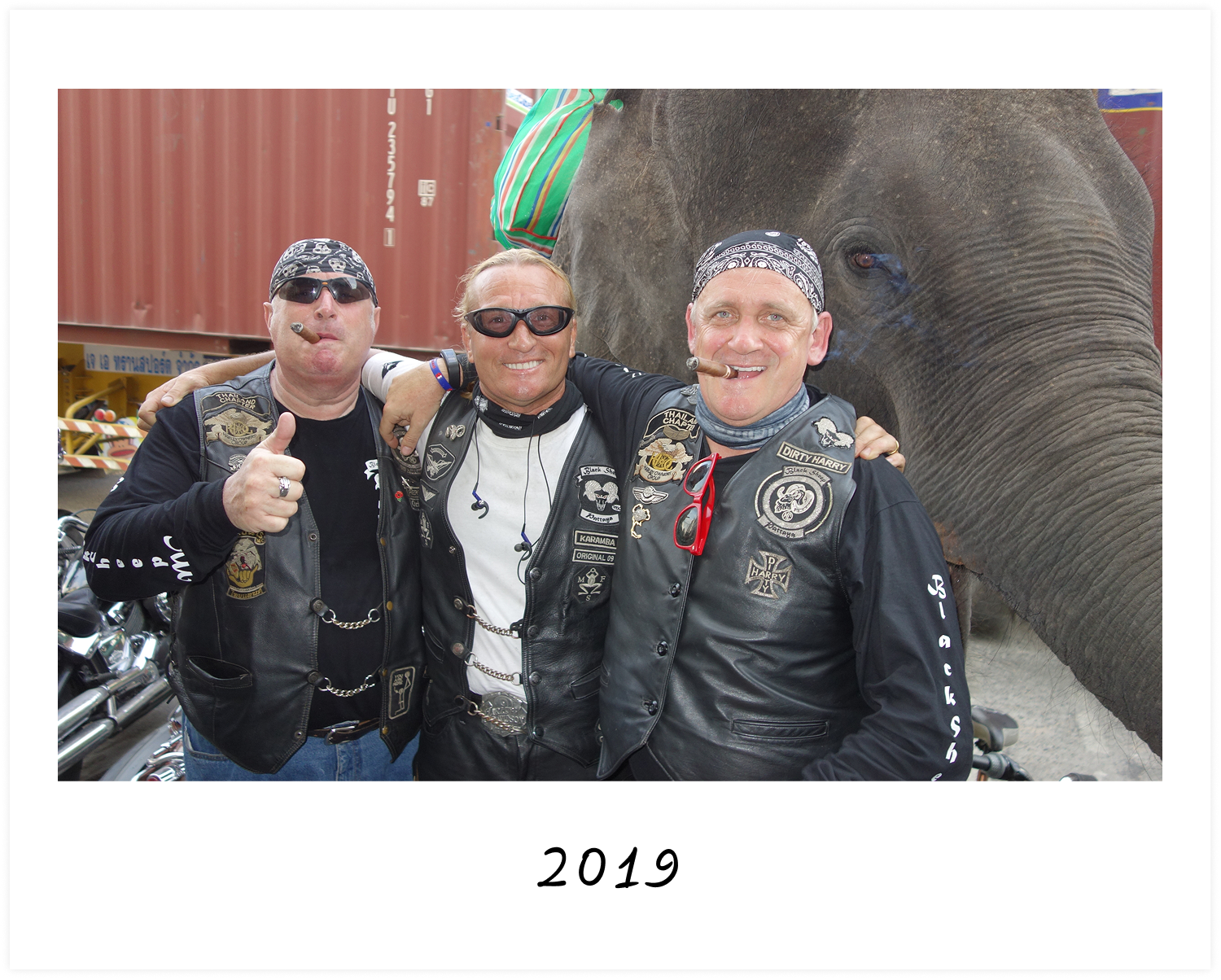
Several of the old guard said the pioneering frontier, 'The Good Old, Bad Old Days,' was where they found or reinvented themselves in large and small ways. There, removed from the ordered, comfortable world ashore, to their pleasure and, on occasion, pain, they experienced and relished both triumph and hardship; living as men, in a world separated by the sea from the monotonous, hospitable, organised domicile, permanently inhabited by those who know neither victory nor defeat, nor the fathomless elation one achieves when pushing oneself to the edge.
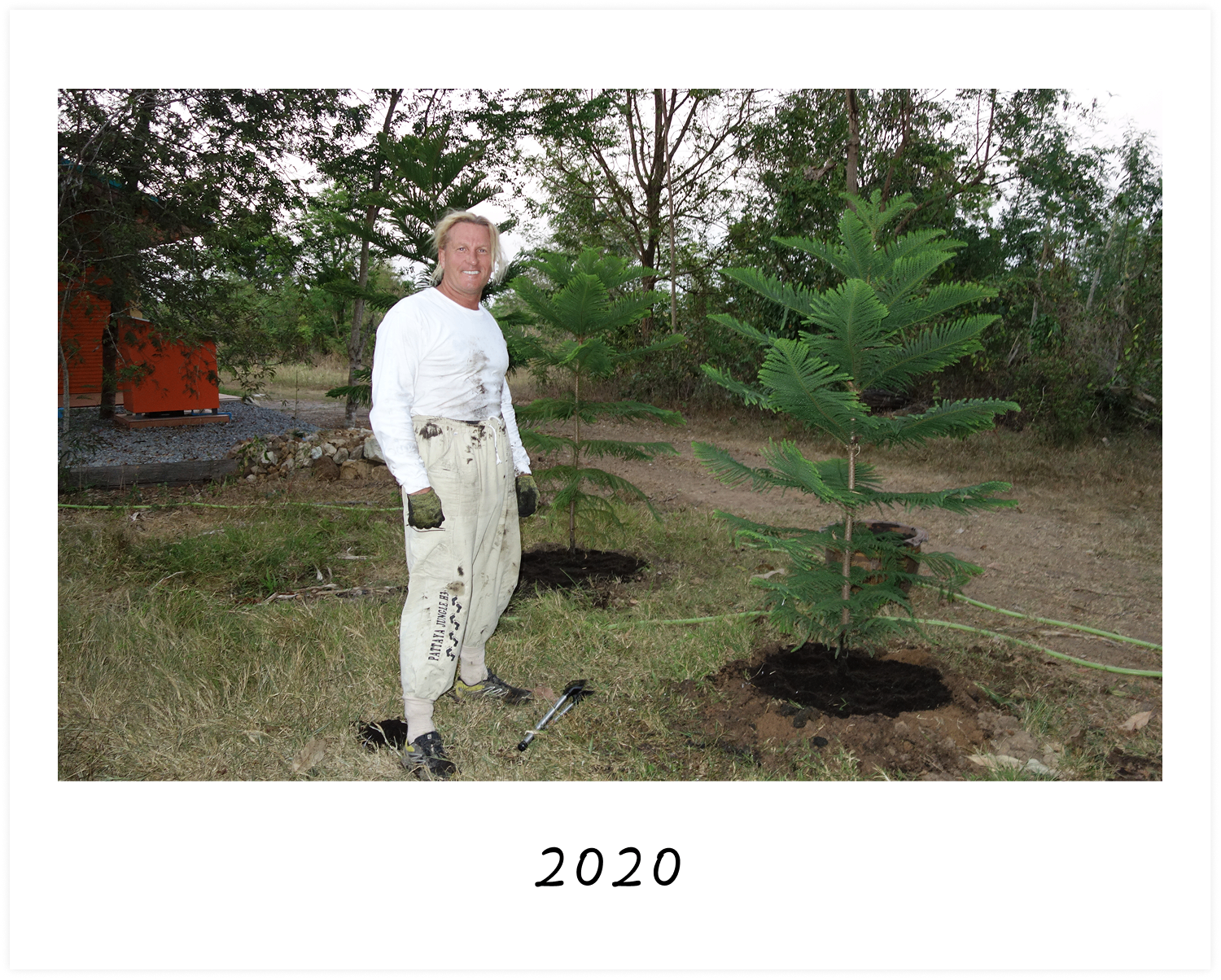
My sister Tanja Laura Dinessen, author of several books, kindly stepped into the void that materialised when my late close friend Malcolm Charles Schaverien, also known as Harlan Wolff, tragically passed away far too young in March of 2021. I am eternally indebted to Malcolm and owe him an ocean of gratitude. Before his saddening early demise from a heart attack, he assisted in writing the first two hundred pages and encouraged and motivated me to lay aside my offshore hat and don an author's cap.
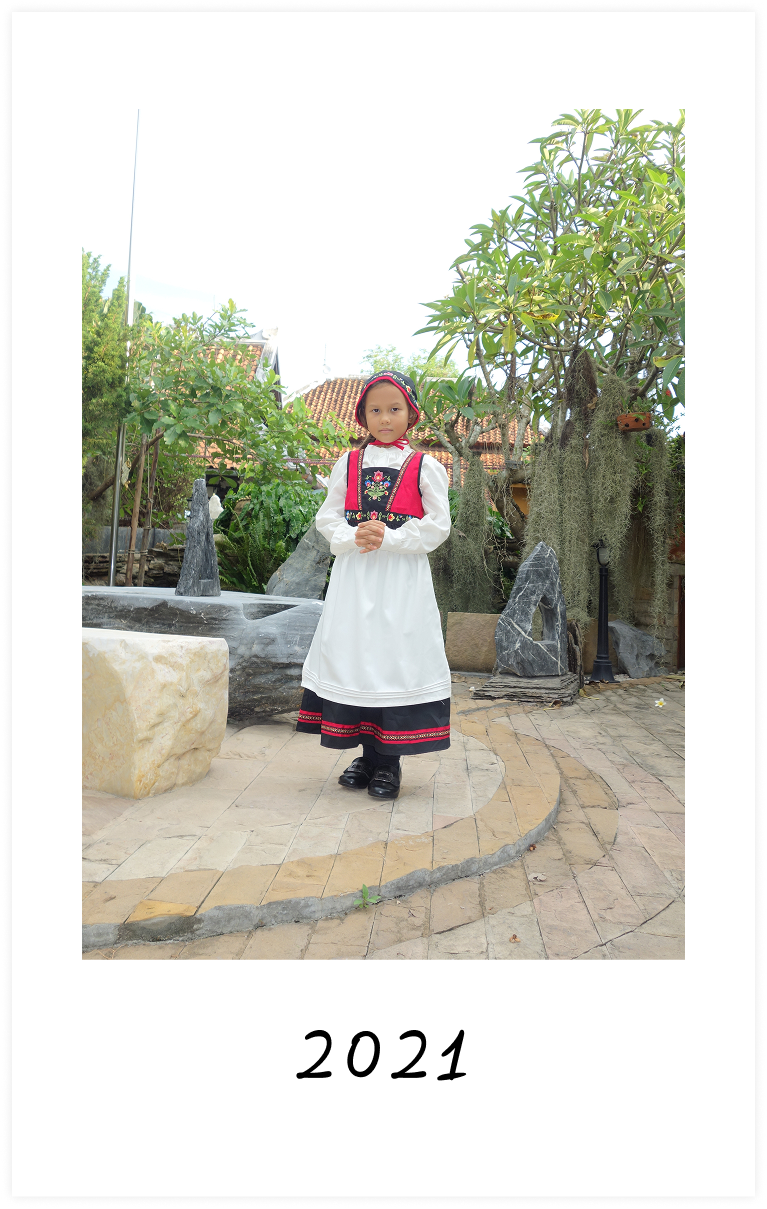
Daniel M. Dorothy, a friend, successful published author, and editor, stepped in for several months, from May 2023, to help me learn how to complete the enormous task of editing and styling the written chapters—an undertaking in itself.
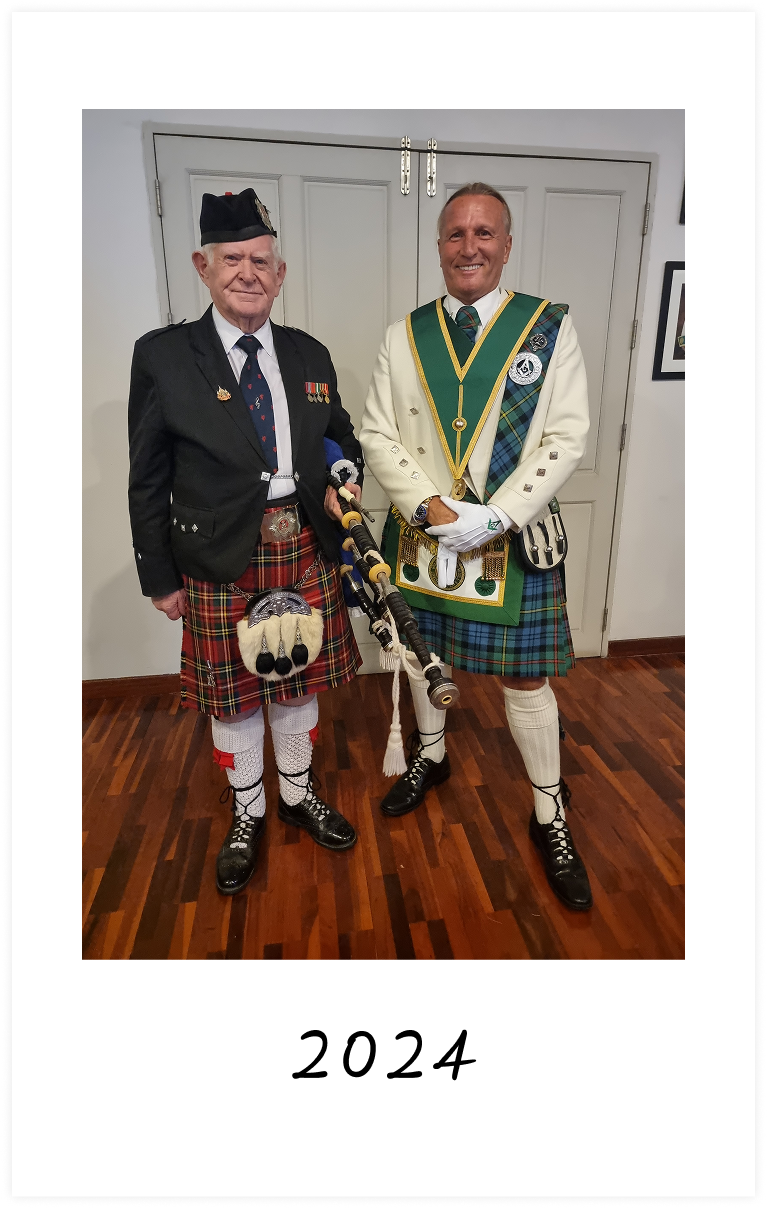
Paul Cade, my webmaster, had spent hundreds, if not thousands, of hours painstakingly developing the website and associated timelines since 2018—in Paul's own words, the most extensive website he has ever constructed and expanded. Sadly, Paul passed away on 28 September, 2025. Soon after, Rahul Raja stepped in to gently fill the void left by Paul's passing, infusing it with hope and new beginnings.
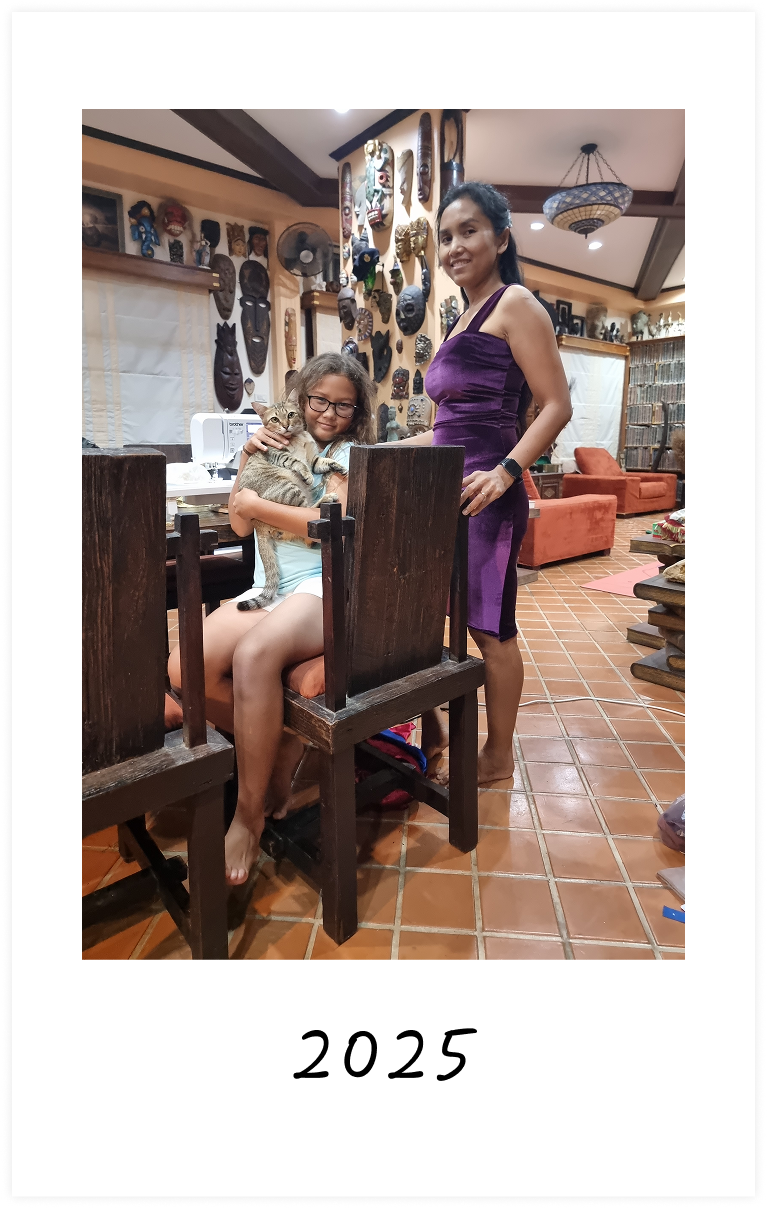
With heartfelt gratitude, I thank my family, close friends, naval and work colleagues, and the many remarkable people who have supported me through seemingly endless interviews, correspondence, and spirited exchanges. Their shared memories and insights are helping turn a decades-long dream into reality.
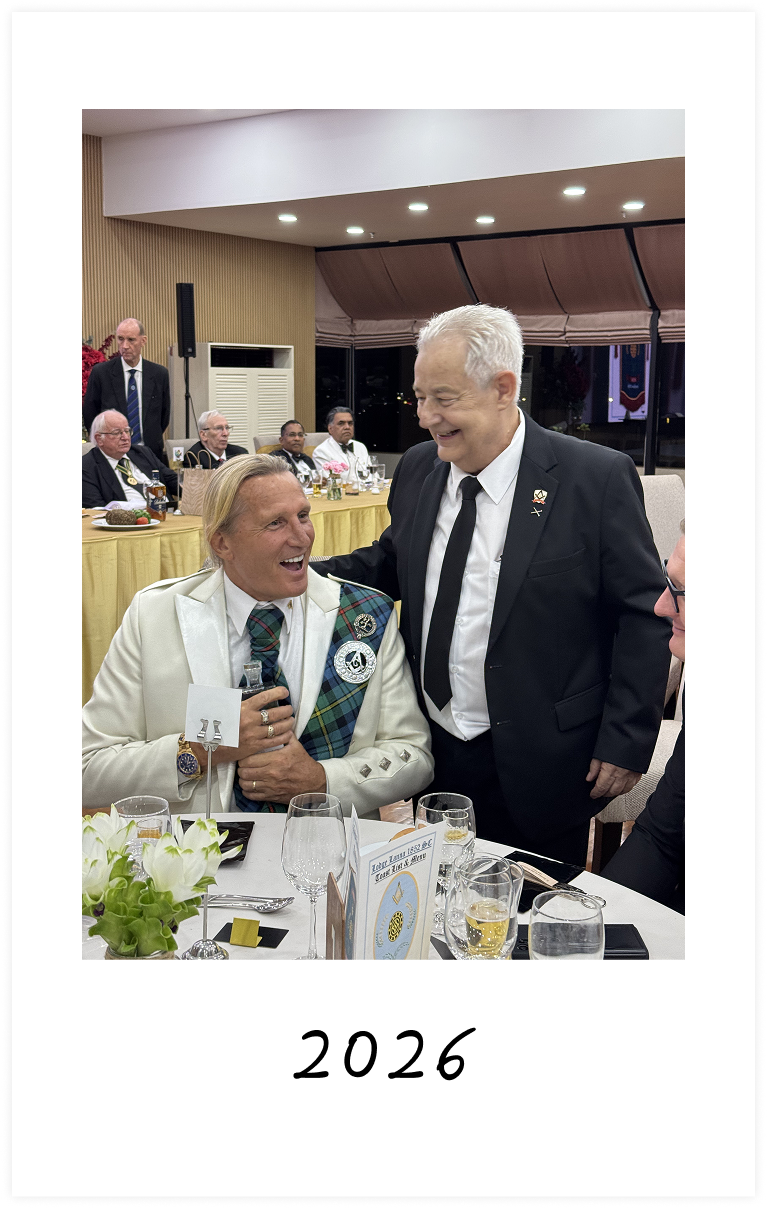
What lies ahead? That remains a mystery. I know that staying idle is not for me; perhaps my next adventure will be as a full-time farmer.
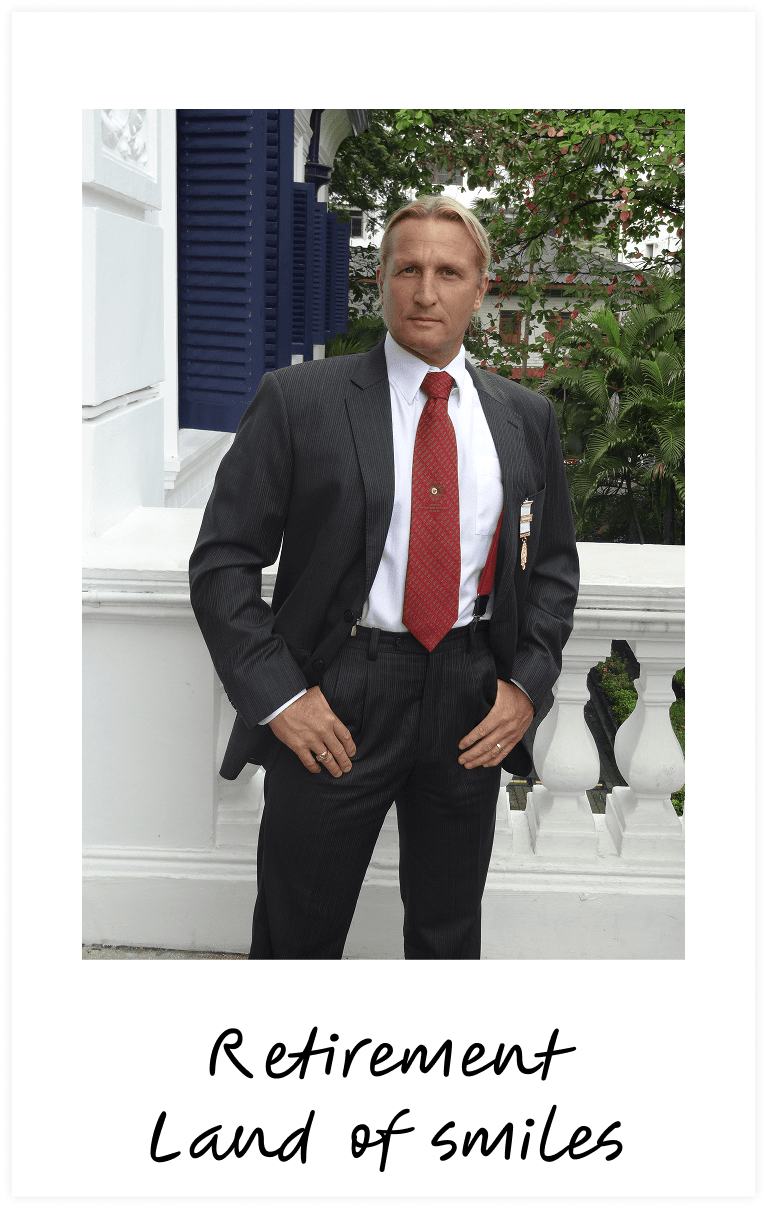
With gratitude

Paal S. Dinessen


A four-volume autobiographical work spanning continents, disciplines, and decades. Editorial edition, published in print and online.
- 1966 – 1977 · Childhood Years – Zambia – Africa
- 1977 – 1987 · Formative Years – Norway
- 1981 – 2026 · Paddling & Windsurfing – Worldwide
- 1984 – 1993 · Bouncer – Gym – Bergen
- 1984 – 2026 · Climbing – Rock & Ice – Worldwide
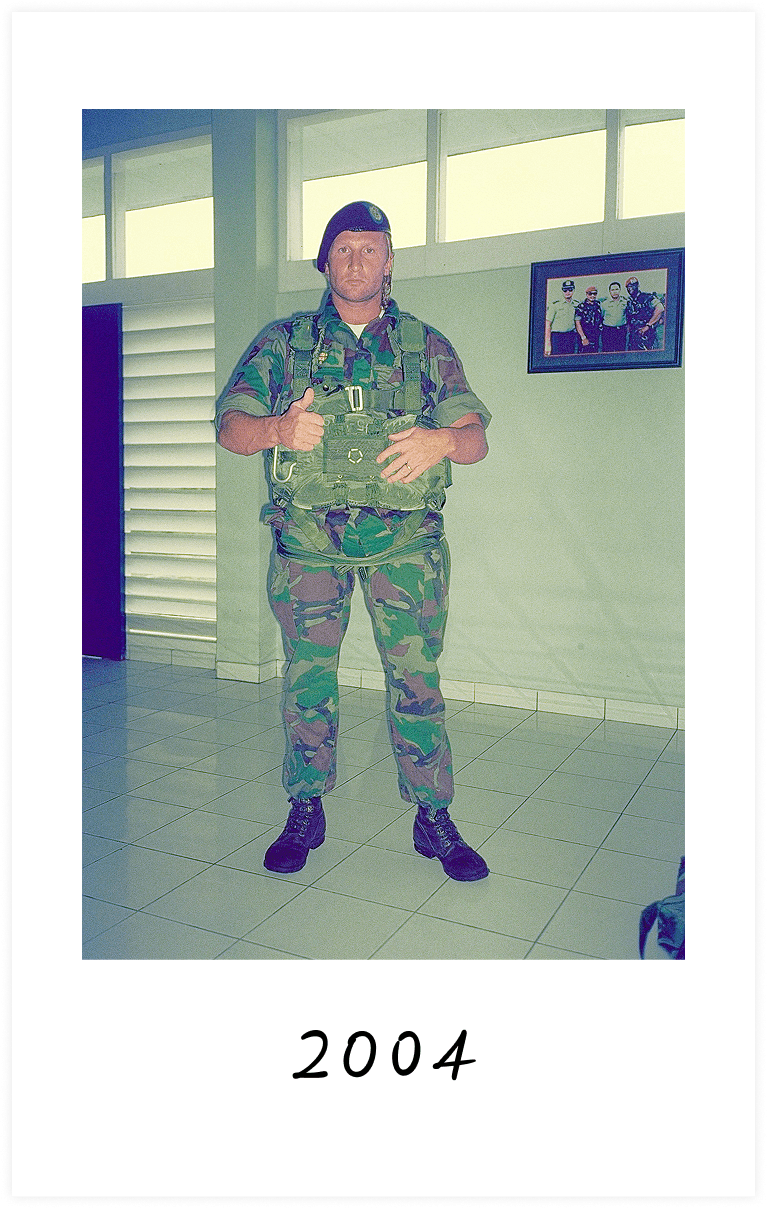
- 1987 – 1991 · Norwegian Navy & Military
- 1988 – 1997 · Personal Life – Norway
- 1988 – 2012 · Skydiving & Free Flying – Worldwide
- 1989 – 2003 · Historical / Inshore / Saturation Diving
- 1989 – 2026 · Paragliding & Paramotor – Worldwide
- 1991 – 2022 · Offshore Subsea Construction
- 1992 – 1997 · Blomvåg Fjordhotell – Øygarden
- 1993 – 1997 · Amorini – Why Not Nightclub
- 1995 – 2007 · Early Years In Thailand
- 1995 – 2026 · TQ Bar (Tahitian Queen) – Pattaya
- 1997 – 2003 · BASE Jumping – Worldwide
- 1998 – 2026 · PDRH3 (Dirt Road) – Thailand
- 1998 – 2022 · PH3 (Pattaya Hash House Harriers) – Thailand
- 2000 – 2002 · Kursk K-141 Rescue & Salvage
- 2000 · Tuenjai – Marriage
- 2002 – 2006 · Dr Saisron (The Dental Surgeon)
- 2002 – 2016 · Jomtien Nivate Apartments – Pattaya
- 2003 – 2026 · Fraternal Organisations & Orders
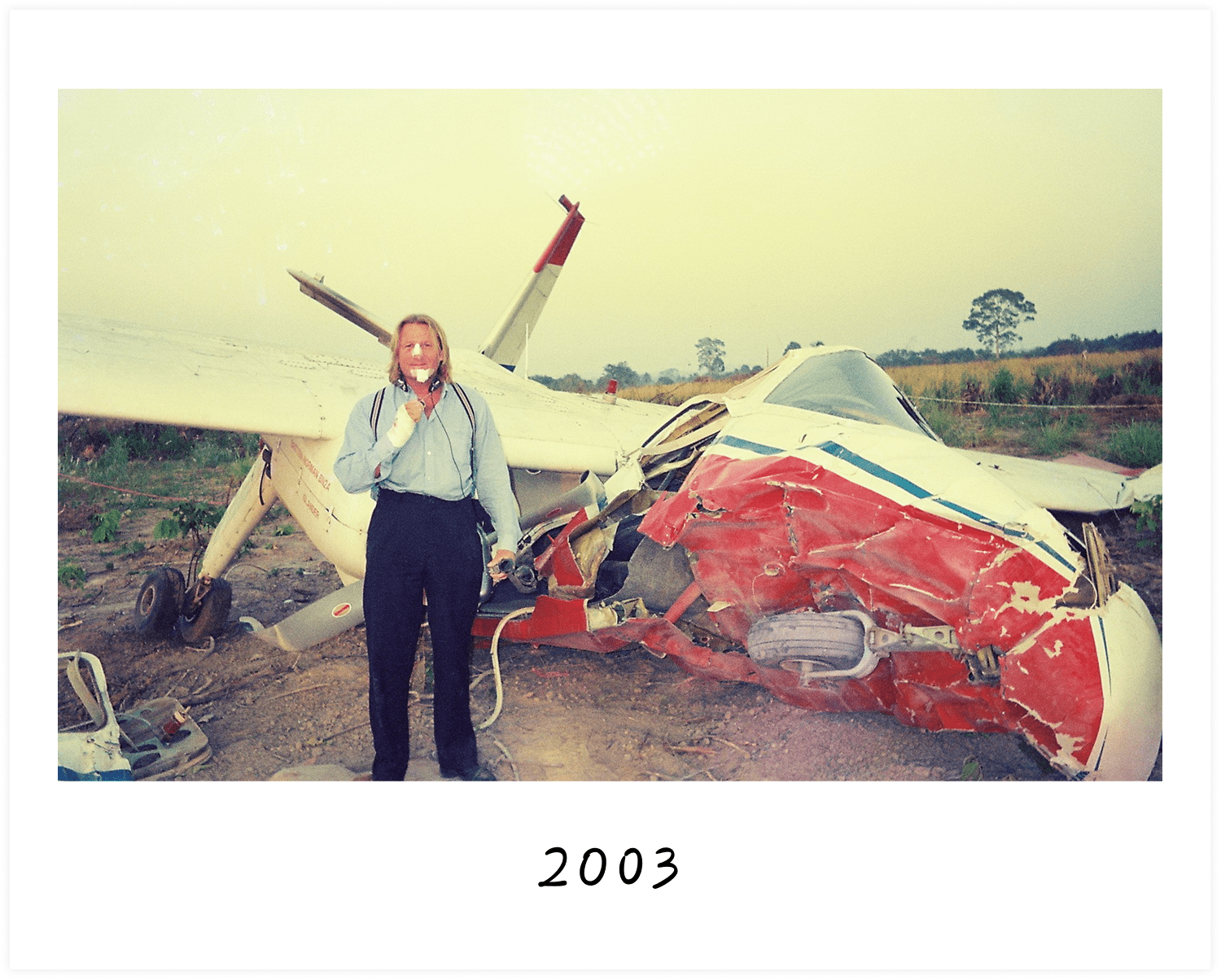
- 2003 · Plane Crash – Thailand
- 2004 – 2020 · Jasmine Hotel – Walking St – Pattaya
- 2007 · Tanawan – Marriage
- 2008 – 2026 · Later Years In Thailand
- 2009 – 2026 · Black Sheep MC – Pattaya
- 2011 – 2026 · HD V-Rod Muscle – Pattaya
- 2012 – 2026 · Farm & Orchard – Sa Kaeo – Thailand
- 2014 · Khwansuda – Marriage
- 2016 – 2026 · Huai Yai Estate – Banglamung – Thailand
- 2016 – 2026 · Personal Library – Huai Yai Estate
- — · Print Media
- — · Assorted / Uncategorised
- — · Deceased – R.I.P.
- North Sea Divers – Name Lists
- North Sea Divers – Fatalities
- North Sea Helicopter Incidents
- North Sea & Global Blowouts & Fires
- ADCI Hall of Fame Recipients
- Acronyms & Abbreviations
- Dramatis Personae – Acknowledgements
- Sources – Reference Material
- Index of People
- Index of Vessels
- Conversion Tables
- Media Credits
- Lodges, Chapters & Appendant Bodies — Thailand & SE Asia · 2026
- Paal S. Dinessen — Subsea Experience Abridged
