1955
S-44 — 1955
1955 / S-44 / Chevron Corporation / Submersible drilling rig with Recessed Pontoons / Blowout and fire (Returned to service).
Industry Timeline
Appendix 15 — for Chapter 65-P — 1955 to 2023
Transport to and from the oil fields is not the only danger offshore. Fires and, occasionally, the immense forces of Mother Earth’s high-pressure underground oil and gas reservoirs have dire consequences, including massive oil, condensate, and gas well leaks and blowouts. Several such instances have occurred in the North Sea basin since oil and gas exploration commenced in the mid-1960s.
Blowouts erupt when gas, condensate, oil, water, and solids burst forth uncontrollably, driven by high or even extreme pressures. Sudden high-pressure releases can occur with incredible velocities, ejecting enormous amounts of liquids, solids, and gases at high temperatures. Hence, the risks of explosion, fire, and widespread pollution are all present. Blowouts can result in loss of life, severe environmental damage, equipment loss, and lost revenue. Blowouts can occur when drilling into a shallow gas pocket or an unexpectedly high-pressure geological formation. They can arise from fractures in geological strata, human error, equipment failure, or external causes such as collisions and fires. Blowouts can occur at any stage of drilling (whether production or exploration) and during the maintenance and inspection of drilling and production equipment.
Data originating from incident reports and accident investigations compiled by the Bureau of Ocean Energy Management (BOEM) and the former Minerals Management Service (MMS) indicate that five to six blowouts occurred annually between 1970 and 1977 in the Gulf of Mexico alone.
Data from operator incident reports and Minerals Management Service accident-investigation reports show that, between 1992 and 2006, 15,077 oil and gas wells—5,671 exploration wells and 9,406 development wells—were drilled in federal waters of the United States Outer Continental Shelf. Thirty-nine drilling blowouts occurred, equivalent to approximately one blowout per 387 wells. Thirty-eight occurred in the Gulf of Mexico and one in the Pacific Region. The period from 1992 to 2006 represented an improvement over 1971–1991, when 87 drilling blowouts occurred among 21,436 wells, equivalent to approximately one blowout per 246 wells. The later period therefore experienced an approximate 36 per cent reduction in the per-well blowout rate.
One technical qualification: the earlier total included four sulphur-well blowouts; excluding sulphur drilling, its reported rate was one per 256 wells. The later study excluded sulphur-well drilling, as well as blowouts during completion, production and workover operations.
An offshore platform, as designed, constructed, towed, located, and operated, is subject to uncertain environmental forces, including heavy storms, hurricane-force winds with mountainous waves, deep waters, seabed subsidence and shifts, and high-pressure, collapsible geological strata. These forces can cause the drilling platform to sink, collapse, corrode, and blow off location, thus generating blowouts via sheared well casing and tubing. In addition, ships can collide with a platform due to reduced visibility or poor seamanship, engine, propulsion, or dynamic positioning failures, as well as failures in radar and communication systems.
The chronology below is split across two datasets — the North Sea record (paragraph accounts, 1964–2020) and a wider Global register (annual summaries, 1955–2023). Toggle between them with the filter chips above the timeline.
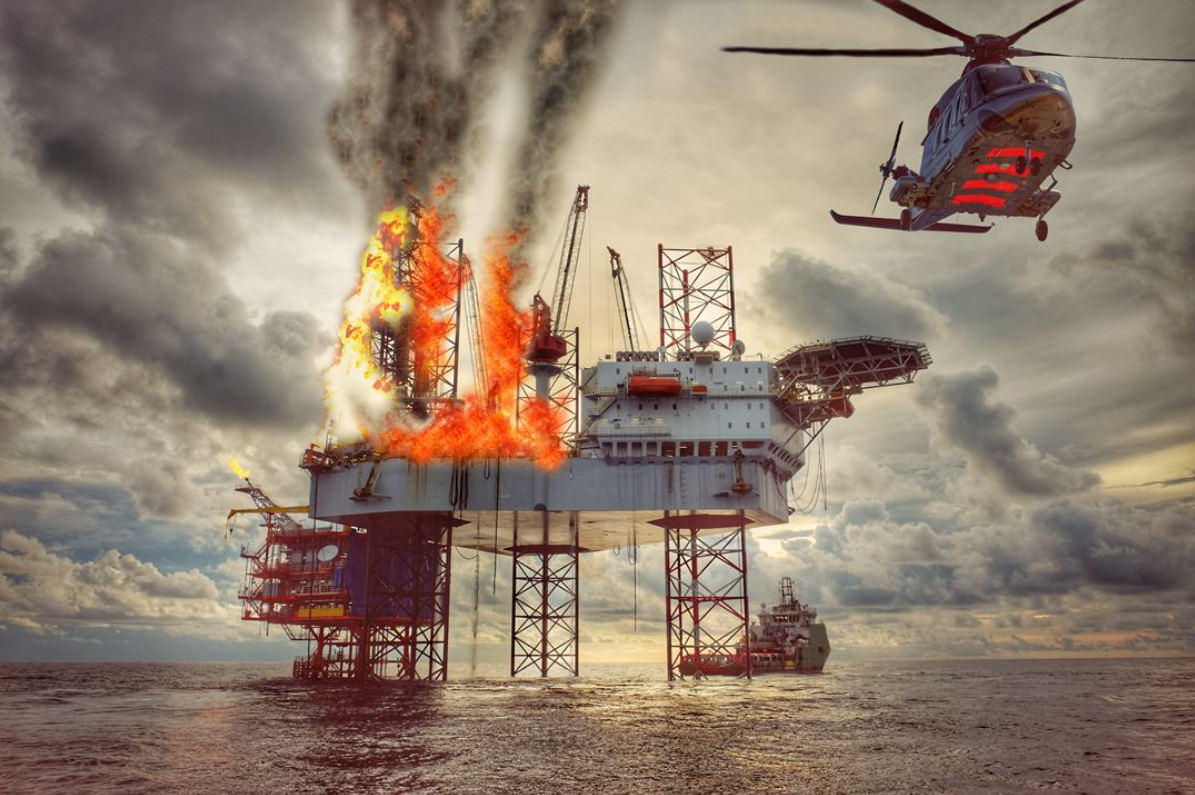
“There was fire everywhere. If Hell is any worse, I do not want to go there.”
— L. C. Franks, survivor, C. P. Baker blowout, 30 June 1964
314
LOWC incidents 1980–2020
94
In UK & Norwegian sectors
186
LOWC worldwide 1980–1999
156
LOWC worldwide 2000–2015
The Chronology
1955 / S-44 / Chevron Corporation / Submersible drilling rig with Recessed Pontoons / Blowout and fire (Returned to service).
1959 / C. C. Thornton / Reading & Bates / Jack-up / Blowout and fire damage in the Persian Gulf.
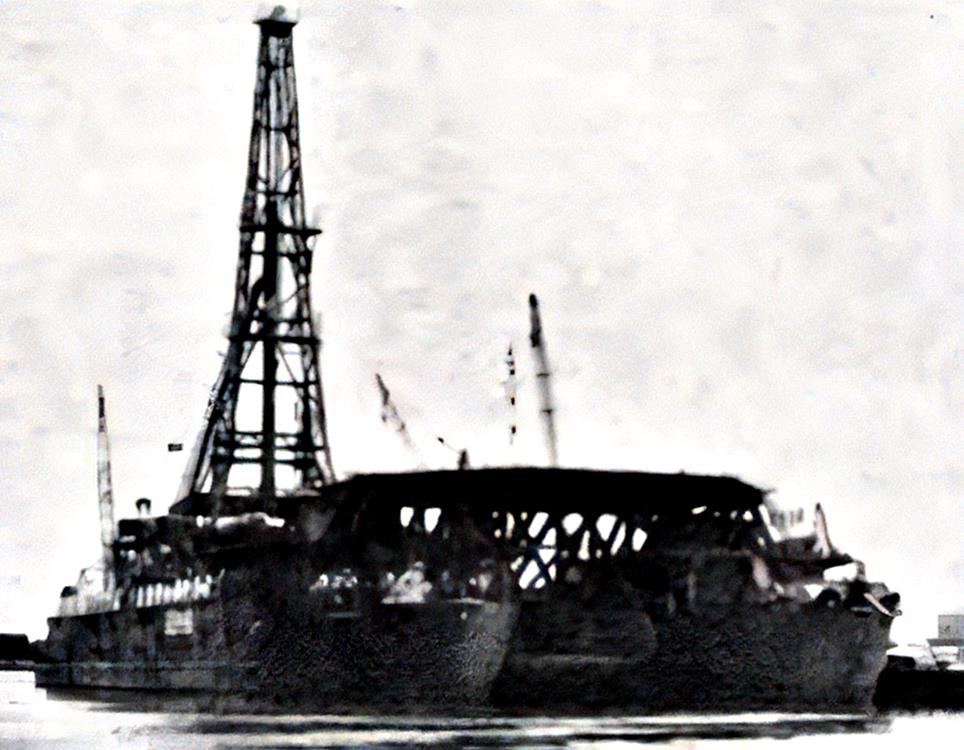
1964 / C. P. Baker / Reading & Bates / Drilling Barge / Shallow gas blowout fire and explosion, off Eugene Island, Gulf of Mexico on 30 June 1964. Vessel capsized, twenty-one fatalities and …
On 22/23 June 1964, a gas blowout occurred in the German sector of the North Sea. The twelve-legged exploration jack-up drilling barge, Mr Louie, was transferred from the GOM to the North Sea …
1965 / Triton / Royal Dutch Shell / Jack-up / Destroyed by blowout and fire offshore Nigeria.
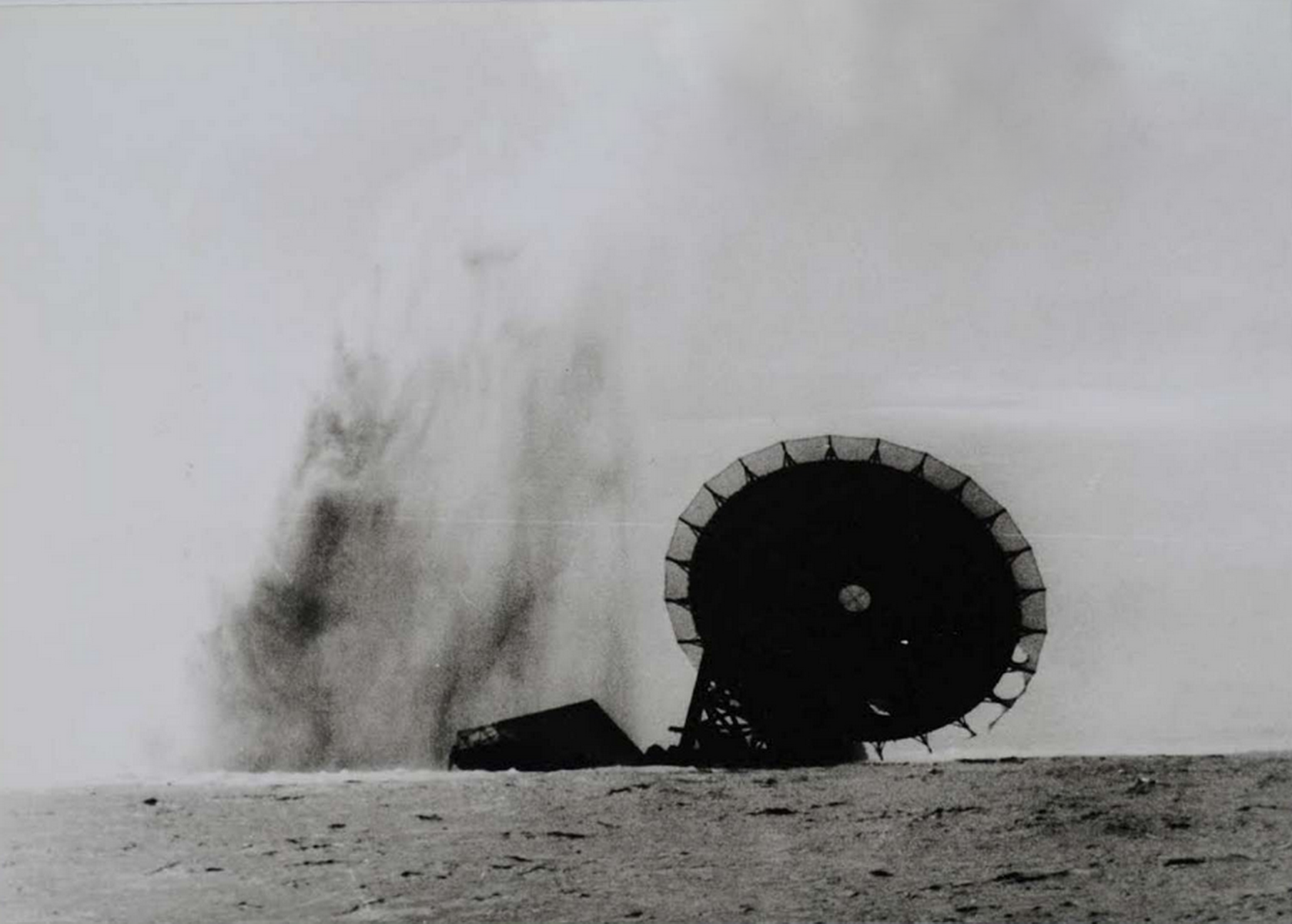
On 29 September 1965, the jack-up Paguro platform, launched in 1963 in Porto Corsini, was drilling the PC7 well to reach a field almost three kilometres deep when the bit entered …
1968 / Little Bob / Coral Drilling Co. / Jack-up / Blowout and fire, resulting in seven fatalities (the jack-up was written off and not salvaged).
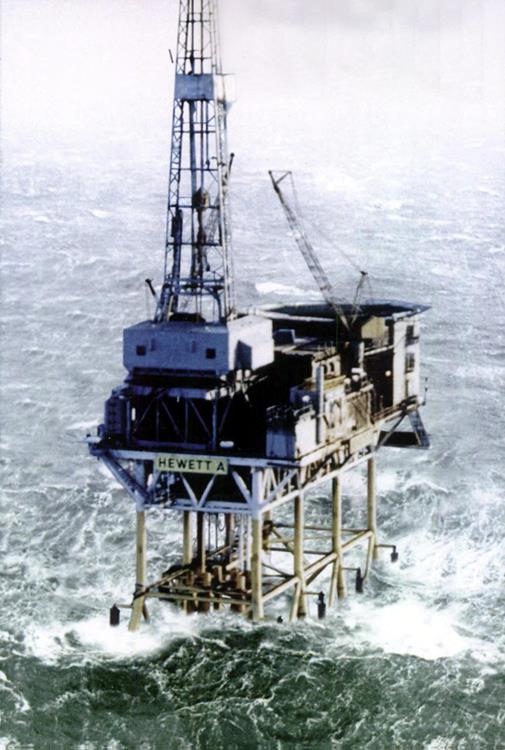
On 15 November 1968, the Phillips Petroleum-operated Hewett Alpha 52/5A offshore platform, situated sixteen nautical miles off Cromer Head, Great Yarmouth, Norfolk, UK, in the North Sea, suffered a …
1969 / Platform Alpha / Union Oil Co. / Seabed oil and gas blowout from well A-21 / Santa Barbara Channel, California, USA on 28 January 1969 (100,000 barrels of oil spilt over the following 10 days).
1969 / Wodeco III / WODECO Inc / Floating (floor) drilling barge / Blowout in the Red Sea.
1969 / SEDCO 135-G / SEDCO Inc / Semi-Submersible MODU / Blowout and severe fire that occurred on 06 August 1969, in the Timor Sea, eighty-five nautical miles offshore Western Australia, while drilling ARCO's No.1 Petrel well.
1969 / Rimtide 17/ Rimrock Tidelands/ODECO / Submersible MODU / Oil and gas blowout in the Gulf of Mexico, fifteen nautical miles offshore, on 16 March 1969 - 31 crew saved by the crew of MV W. J. Levy (MODU salvaged).
On 06 August 1969, the MODU SEDCO 135-G drilling for the Atlantic Richfield Company suffered a blowout and raging fire while drilling the Petrel 1 Well in the Petrel field, Bonaparte Gulf, off the …
1970 / Stormdrill III / Storm Drilling Co. / Jack-up / Blowout and fire damage offshore Texas, Gulf of Mexico (Repaired and returned to service).
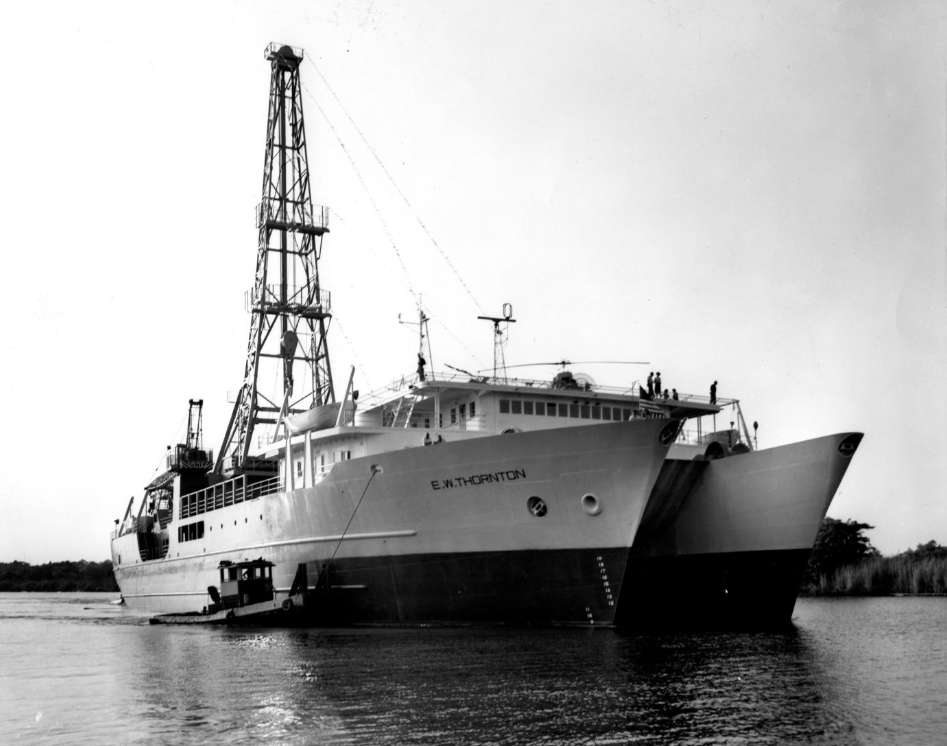
1970 /DS E. W. Thornton / Reading & Bates / Drillship (Catamaran hull) / Blowout offshore Malaysia (Repaired and returned to service).
1970 / Discoverer III / Offshore Co. / Drillship / Blowout offshore Malaysia (Repaired and returned to service).
1970 / Discoverer II / Offshore Co. / Drillship / Blowout/no fire in the South China Sea (Repaired and returned to service).
On 01 February 1970, a tragedy occurred during anchor-handling operations performed 800 metres (2,624.7 ft) southeast of the burning Petrel 1 well site by the anchor-handling tug AHT SEDCO Helen, …
1971 / Big John / Atwood Oceanics / Drill Barge / Blowout and severe fire offshore Brunei (Drill Barge salvaged).
1971 / Wodeco II / WODECO Inc / Floating (floor) drilling barge / Blowout and Fire off Peru, resulting in seven fatalities (Barge not salvaged).
1971 / Ocean Driller / ODECO (Sun Oil Co.) / Semi-Submersible MODU / Gas blowout offshore Louisiana, USA on 02 March 1971 (MODU returned to service).
1972 / Milton G. Hulme / Reading & Bates/Atlantic Richfield Co. / Jack-up / Seabed Blowout followed by capsizing at the PSIL-3 well, approximately fourteen nautical miles west of the B sector of the …
1972 / Rig 60 / Kerr-McGee Corp-Transworld Drilling Co / Jack-up / On hire to Reading & Bates / Seabed gas blowout on 08 September 1972, crew abandoned vessel, followed by fire and explosions on 11 …
1972 / J. Storm II / Marine Drilling Co / Jack-up / On 03 December 1972, while drilling for Pennzoil Production Co., the jack-up experienced a massive gas blowout followed by a fire with flames that …
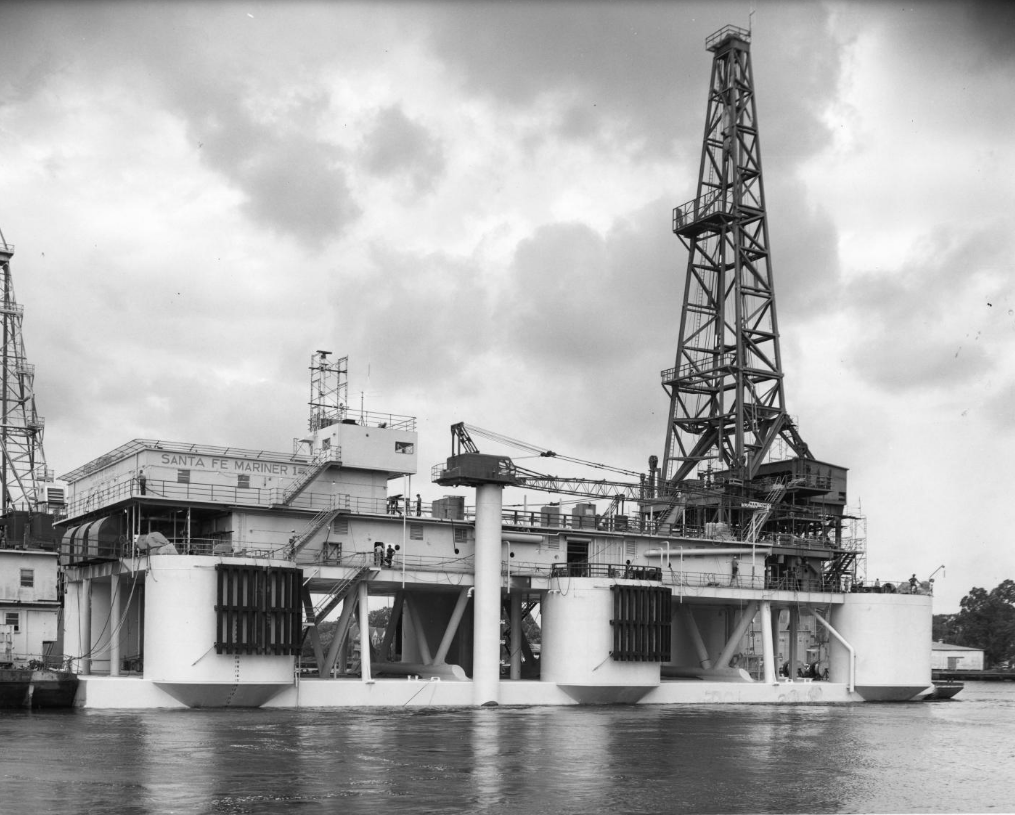
1973 / Santa Fe Mariner I / Santa Fe Drilling Inc / Semi-submersible MODU / Blowout off Trinidad in August 1973, three fatalities (MODU repaired).
1973 / Kerr McGee platform / Diamond M Drilling Co., Production Platform / Gas blowout and fire, one hundred and five nautical miles southeast of Houston, Texas, Gulf of Mexico / All 31 crew members …
1975 / Mariner II / Santa Fe Drilling Inc / Semi-submersible MODU / Lost BOP during Blowout (MODU repaired).
1975 / Topper III / Zapata Offshore Corp / Jack-up / An exploratory well drilled for Mobil Oil Corporation resulted in a seabed blowout around the conductor pipe, forming a seabed crater that caused …
1975 / Discoverer I / Offshore Co. / Drillship / Blowout offshore Nigeria (Drillship repaired).
1975 / Time Saver II / Seabed gas blowout / 6-legged Jack-up / Blowout in the Great Lakes (Jack-up repaired).
1975 / Meteorite 58 / The Offshore Co. / Jack-up / Blowout offshore Nigeria.
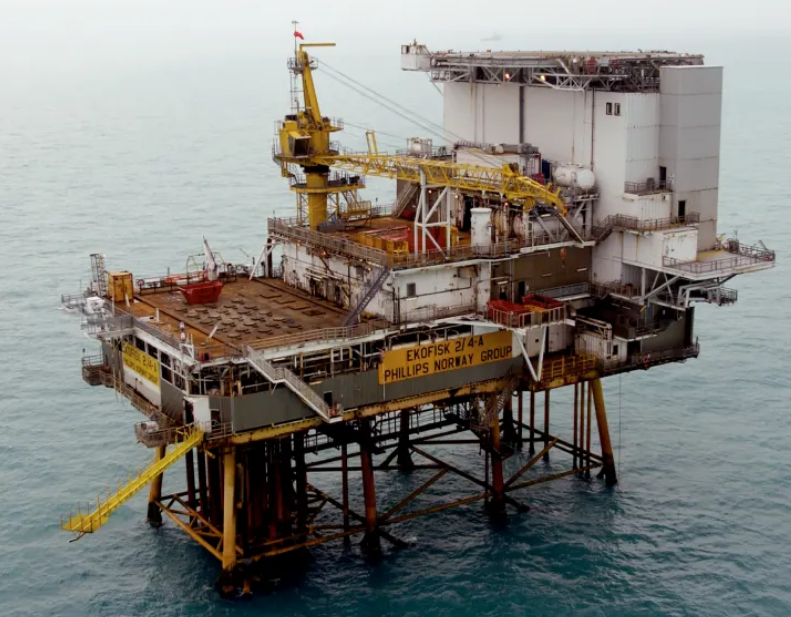
On 01 November 1975, an explosion and fire broke out on the Ekofisk Alfa 2/4-A platform in the Ekofisk field in the Norwegian sector, caused by a gas leak in a riser. The field operator was Phillips …
1976 / Loffland Brothers Drilling Company Rig / Pennzoil Co. / Gas blowout in the Gulf of Mexico on 05 November 1976 / The blowout destroyed both the Jack-up barge and the wellhead platform. The …
1976 / W. D. Kent / Reading & Bates / Jack-up / Damaged while drilling a relief well. During a freak severe storm in the Persian Gulf on 23 February 1976, Fluor's drifting or anchor-dragging …
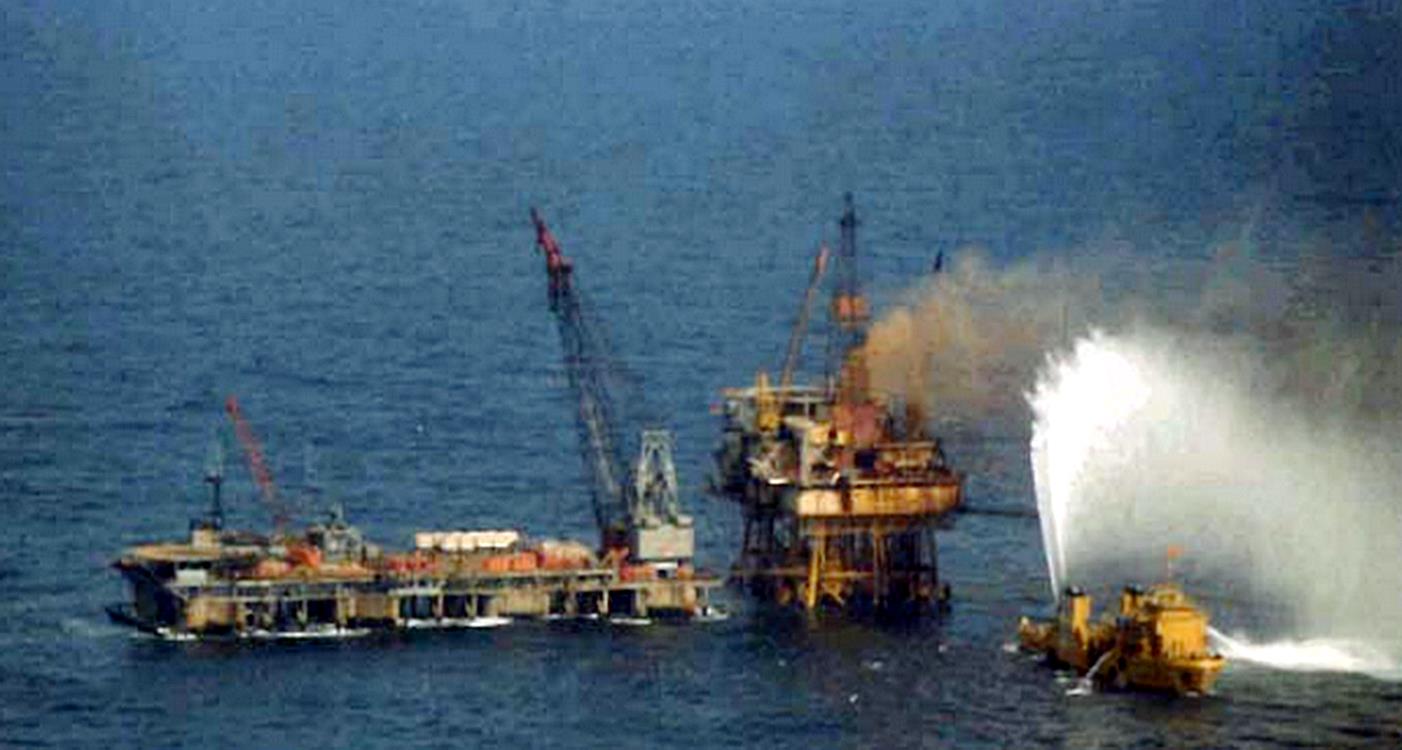
On 22 April 1977, the first uncontrolled severe blowout in the Norwegian sector of the North Sea happened on the Ekofisk Bravo 2/4-B platform, an integrated jacket steel platform with production, …
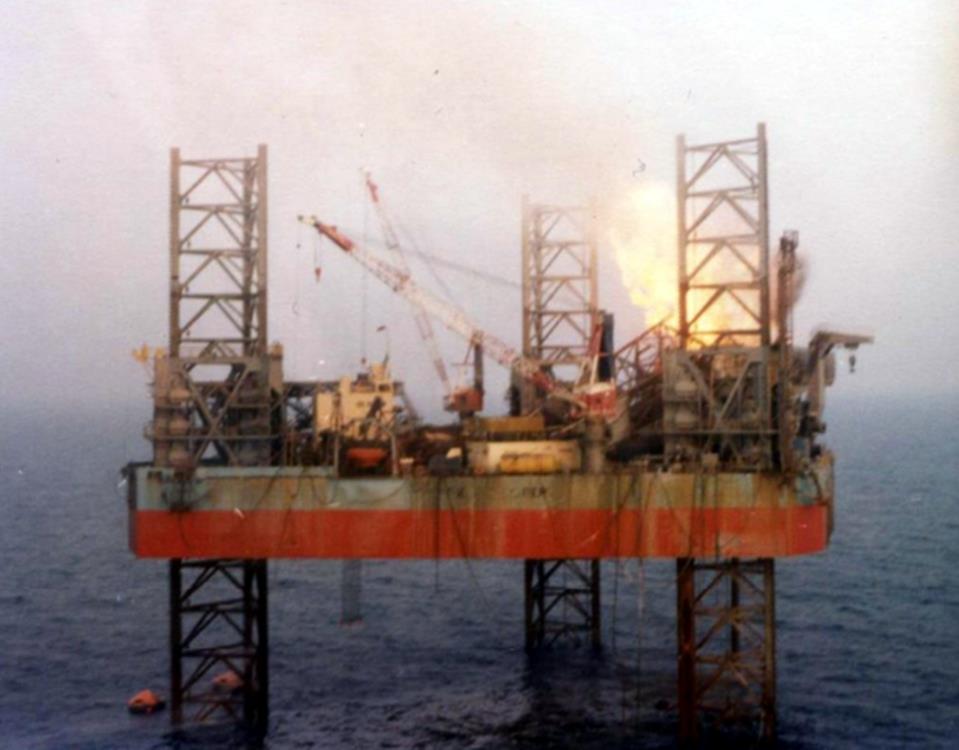
On 14 October 1977, less than six months after the Ekofisk Bravo 2/4-B incident, a second blowout occurred. This time, it happened while drilling the Vagn 1 exploratory gas well from the three-legged …
1978 / Scan Bay / Scan Drilling / Jack-up / Blowout and Fire during February 1978, offshore Iran in the Persian Gulf.
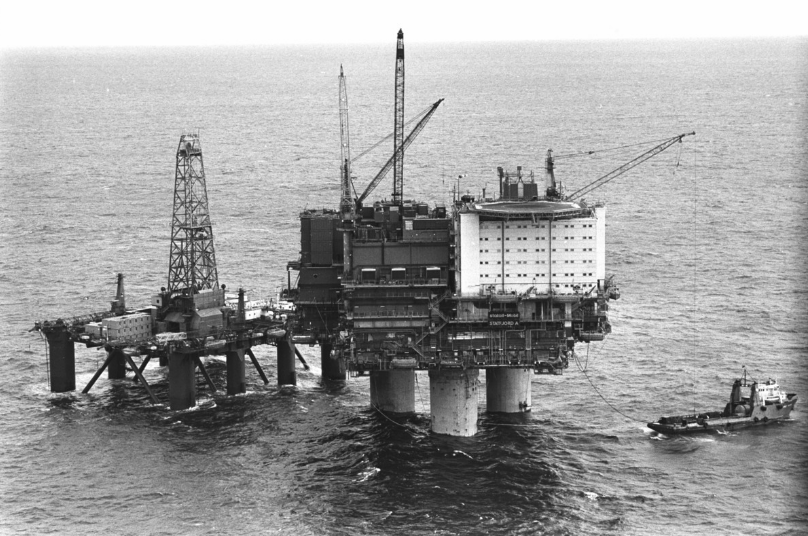
On 25 February 1978, a raging fire broke out in a shaft on the Statfjord A platform in the Norwegian sector. The fire occurred during welding inside one of the three concrete shafts supporting the …
1979 / Salenergy II / Salen Offshore Drilling / Jack-up / Blowout and fire at the Vermilion 14 Gas Field, offshore Louisiana, Gulf of Mexico on 21 April 1979. The Jack-up collapsed.
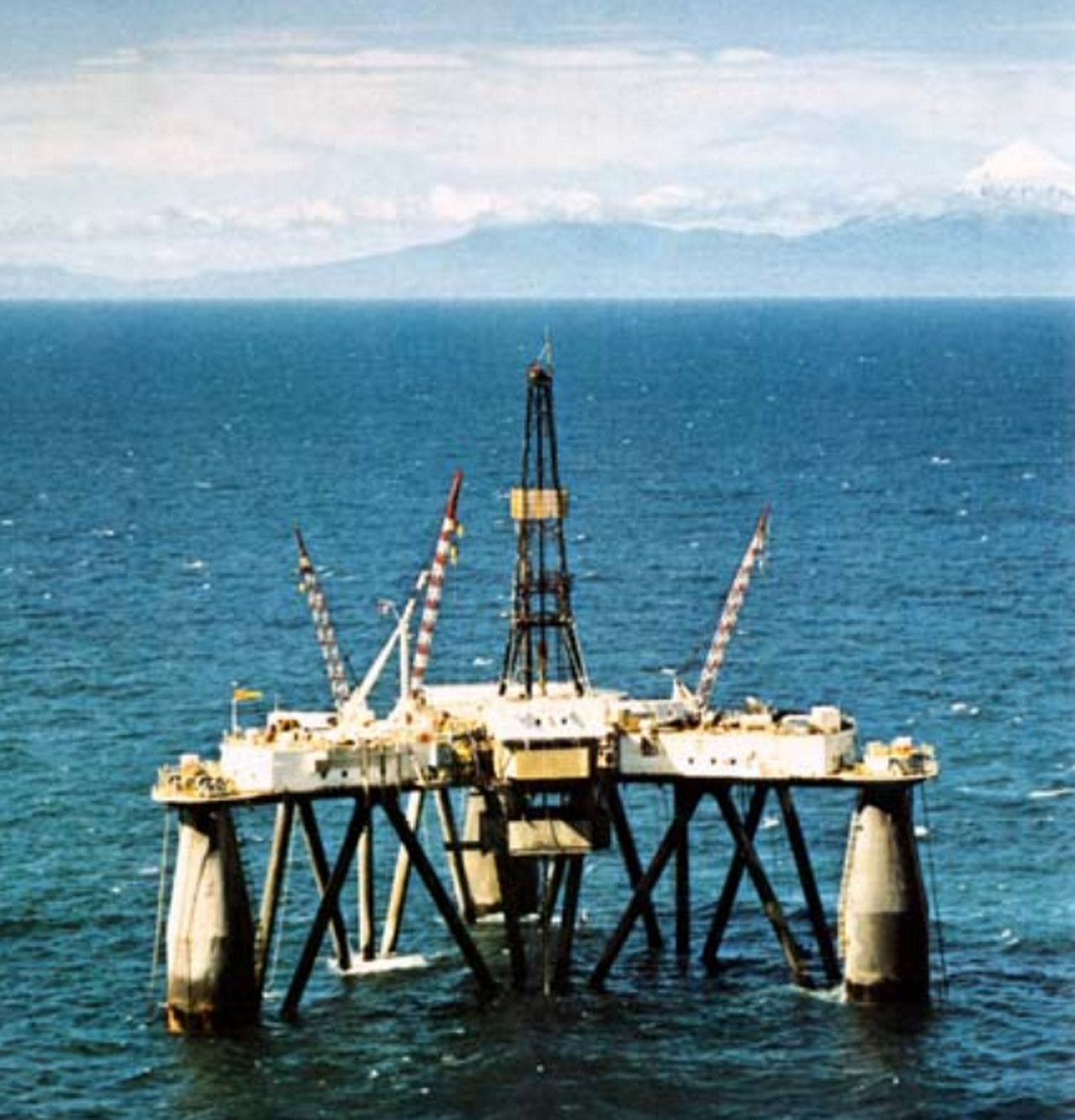
On 03 June 1979, the Ixtoc I blowout occurred while the MODU SEDCO 135-F was drilling the Ixtoc I well in the Gulf of Mexico. The SEDCO 135-F was a first-generation semi-submersible offshore …
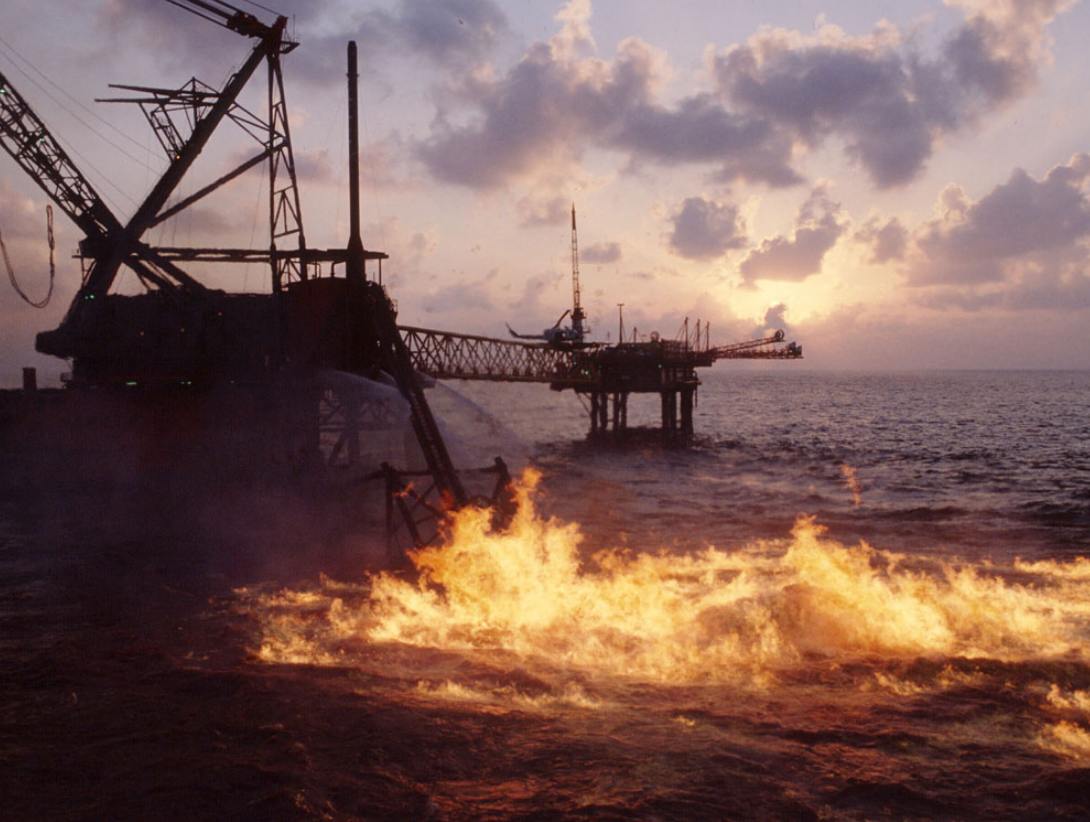
On 15 August 1979, the GOM Ixtoc I well blowout in Mexico, Yucatan Peninsula, that had started on 03 June 1979 claimed its first human life. Alan Anderson, a thirty-two-year-old American national …
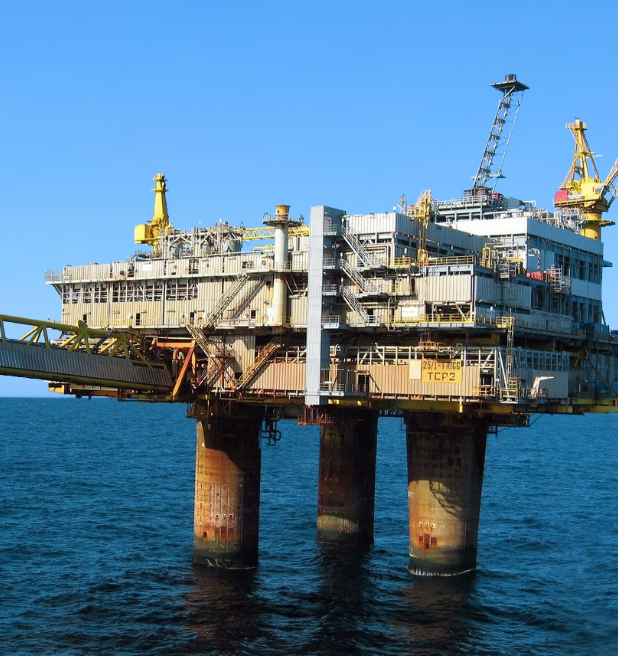
On 07 September 1979, at 15:30, shockwaves from a powerful explosion vibrated throughout the Frigg Complex in the Norwegian sector, and the gas leak alarm sounded on TCP2 (Treatment Compression …
1980 / SEDCO 135-C / SEDCO Drilling for Texaco / semi-submersible MODU / Blowout and fire on 17 January 1980, at the No. 5 Funiwa well offshore Nigeria / The semi-submersible was not salvaged (Estimated 220,000 barrels of crude oil spilt).
1980 / Discoverer 534 / The Offshore Co / Drillship / Blowout occurred on 06 June 1980. The gas escape caught fire off the Brazilian Coast, and 24 of the vessel's 104 crew were injured, some severely.
1980 / Ron Tappmeyer Jack-up and Hasbah Platform / Reading & Bates - Arabian American Oil Co. / Jack-up and Platform / Shallow gas (1,200 ft) pocket blowout of crude and lethal H2S gas on 02 …
1980 / Nanhai II / People's Republic of China / Jack-up / Blowout off Hainan Island, China.
1980 / MESA Gas Rig / MESA Petroleum / Production Platform / Gas blowout and fire on 25 August 1980 / seventy-five nautical miles southwest of Intracoastal City, Louisiana, in the Gulf of Mexico; …
1980 / DB Ocean King / ODECO / Jack-up / Gas blowout and fire on 30 August 1980 / Matagorda Island Block 669 in the Gulf of Mexico, five fatalities and seven severely injured.
1980 / Marlin 14 / Marlin Drilling-Tenneco / Jack-up / Gas blowout and fire on 31 August 1980, twenty-five nautical miles off the coast of Texas, Sabine Pass, Texas, Gulf of Mexico; five men suffered injuries.
1981 / Penrod 50 / Penrod Drilling-Placid Oil Co. / Semi-submersible MODU / Blowout and fire on High Island Block 38, eleven nautical miles off the Louisiana-Texas coast, south of Sabine Pass, Gulf …
1981 / Petromar V / Petromar / Drillship / Gas blowout and capsize in the South China Sea on 27 August 1981.
1983 / Bull Run / Atwood Oceanics / Tender rig / Oil and gas blowout offshore Dubai, three killed.
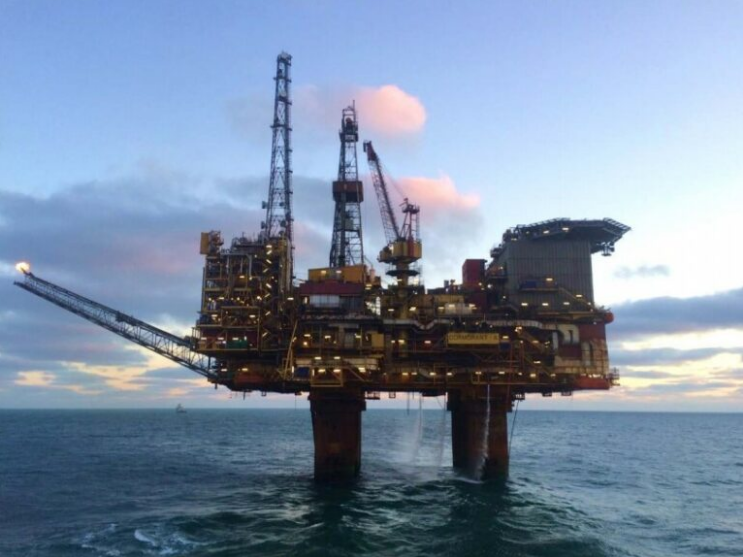
On 03 March 1983, an explosion and subsequent fire occurred on the Cormorant Alpha Platform in the UK sector. Two people died outright when blown against a scaffolding set opposite a door on the …
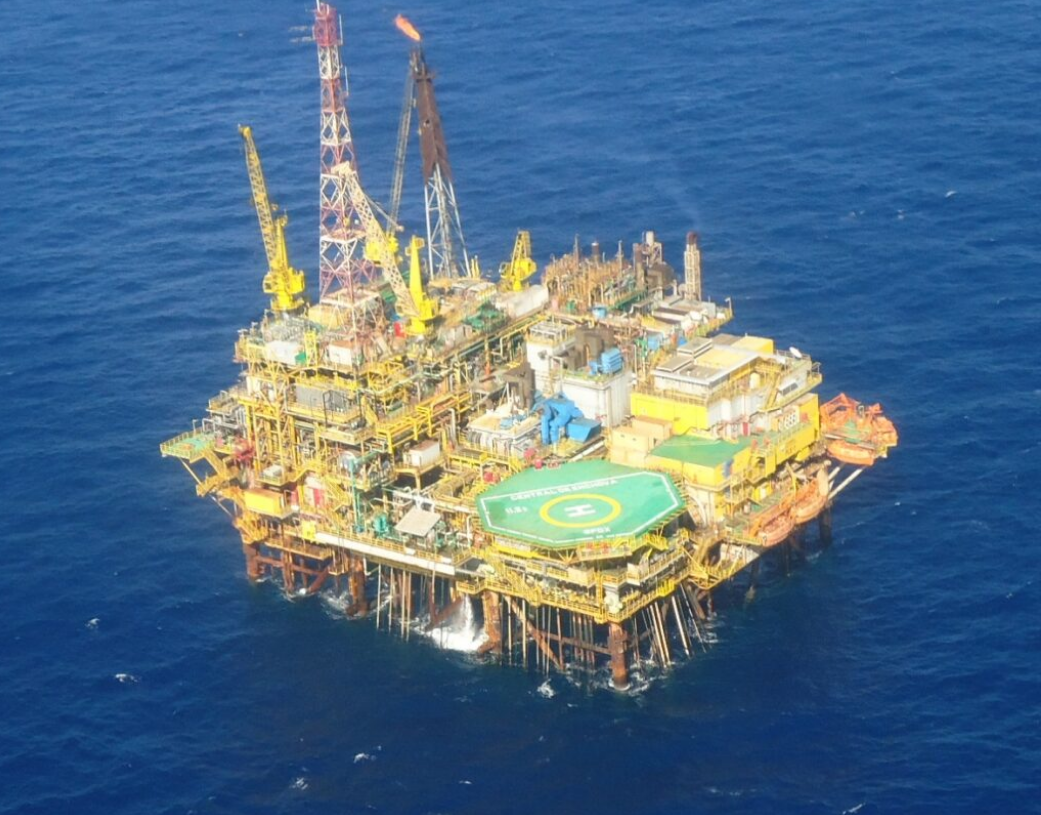
1984 / Petrobras Plataforma Central de Enchova BR (PCE-1) / Petrobras / Fixed Platform / Gas blowout and fire, Campos Basin, off Rio de Janeiro, Brazil, on 16 August 1984, forty-two fatalities.
On 08 September 1984, the MODU Treasure Seeker, a second-generation, dual-pontoon four main-column and six support-colume Aker H-3 design, with a length of 108 metres (354.3 ft) and a gross …
On 15 January 1985, a chief engineer and a third assistant engineer died, and two additional crew members suffered injuries from an explosion during well-testing operations in a port pontoon pump …
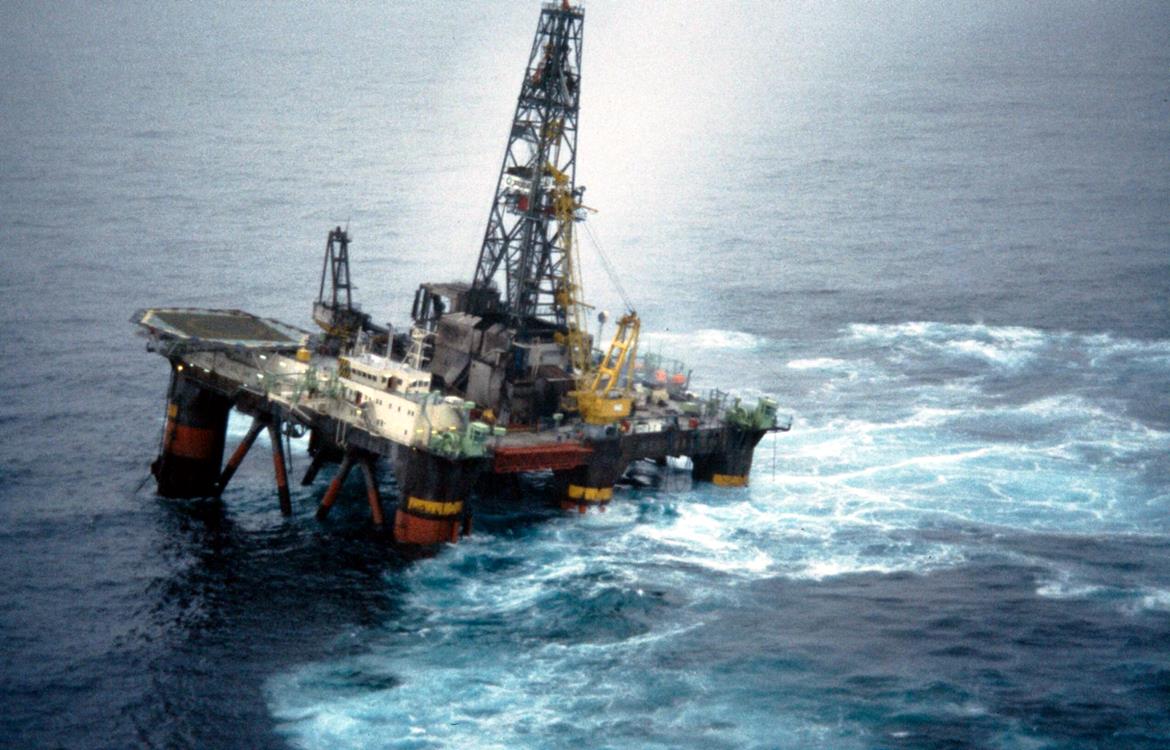
On 06 October 1985, the six-column dual pontoon MODU West Vanguard suffered a gas blowout while drilling a wildcat exploratory well, 6407/6-2, at Halten Bank in the Norwegian sector of the …
On 03 November 1985, the three-legged jack-up Cecile Provine, a LeTourneau Technologies 116-C Class Rowan-owned jack-up built in 1982, on hire by Amoco with a crew of fifty-one, was jacked up and …
1987 / Bourbon Platform / Shell / Fixed Platform in the Gulf of Mexico / Subsea underground blowout caused a fire on the platform and extensive damage.
1988 / Petrobras Plataforma Central de Enchova BR (PCE-1) / Petrobras / Fixed Platform / The ignited gas from the blowout that occurred in the Campos Basin, Rio de Janeiro, offshore Brazil on 24 …
On 04 July 1988, two men died as a result of an explosion and fire in the port aft horizontal brace of the six-column, dual pontoon semi-submersible MODU Glomar Arctic IV owned by Global Marine UK …
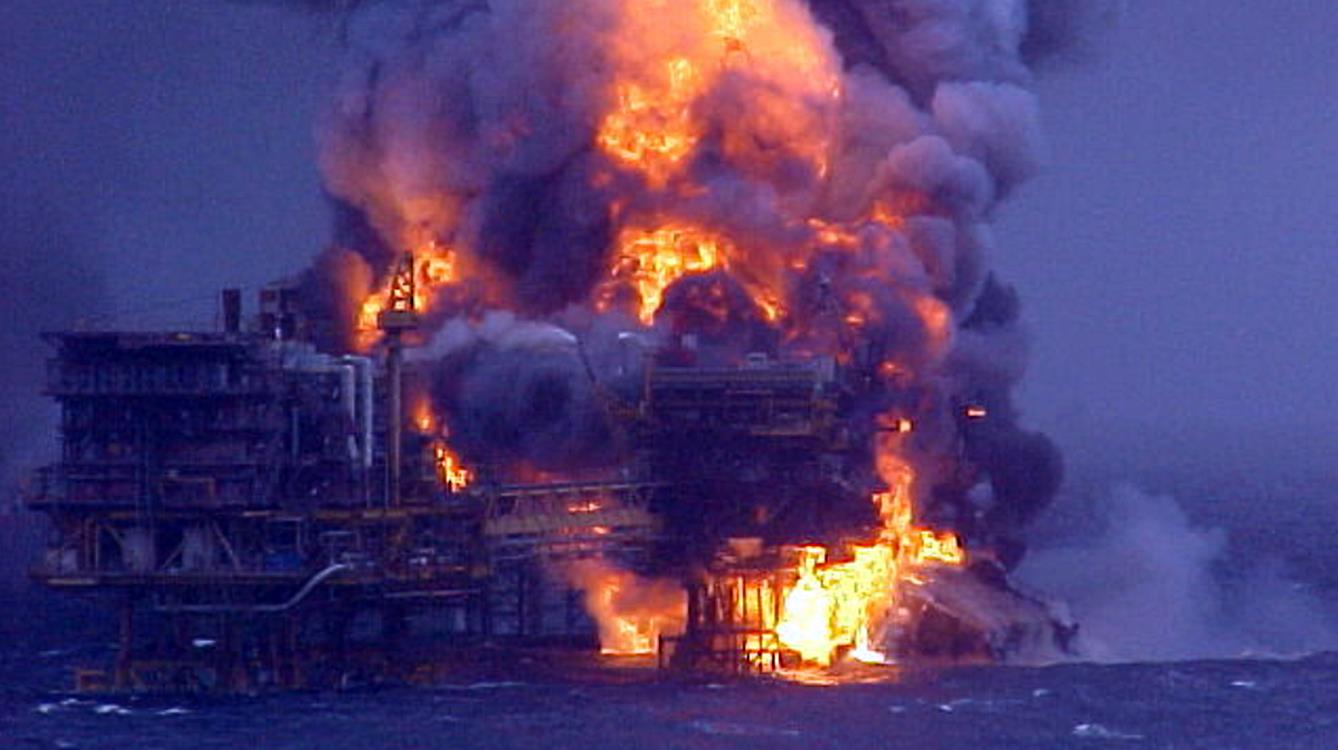
On 06 July 1988, the Piper Alpha accident, the world's worst oilfield accident in terms of the number of people killed, took place in the UK sector of the North Sea. A total of one hundred and …
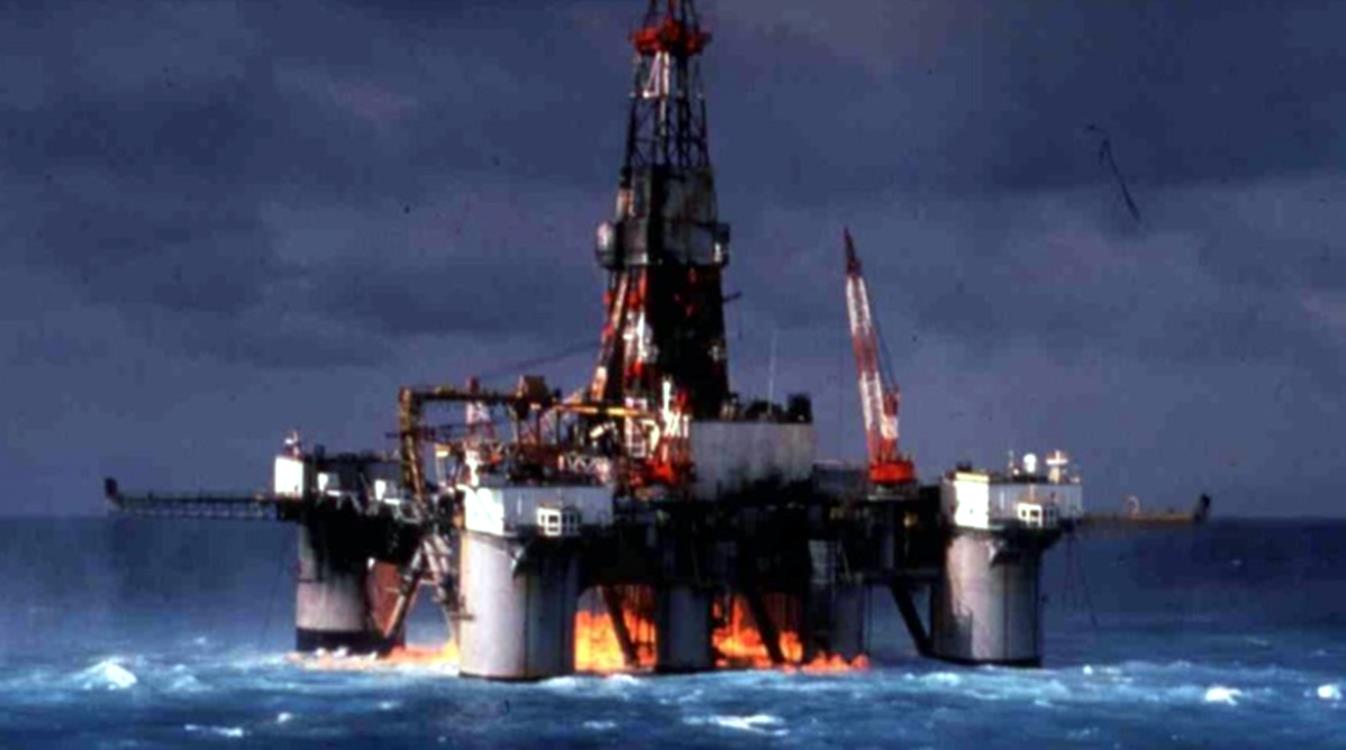
On 21/22 September 1988, a blowout, explosion and subsequent fire occurred on board the MODU Ocean Odyssey (ex-Ocean Ranger II), an eight-column dual pontoon semi-submersible rig operated by …
On 06 October 1988, Wildcat well 2/4-14 was spudded by the four-column dual-pontoon semi-submersible MODU Treasure Saga in the Norwegian sector of the North Sea. The well kicked at 4,734 metres …
1989 / Arco B Platform / ARCO Baker Field / Fixed Platform / Gas leak, fire, and explosion / Gulf of Mexico, resulting in seven fatalities (Total loss of platform).
1989 / Al-Baz / Santa Fe Drilling Inc / Jack-up / Shallow gas blowout and fire offshore Nigeria on 28 April 1989, five fatalities.
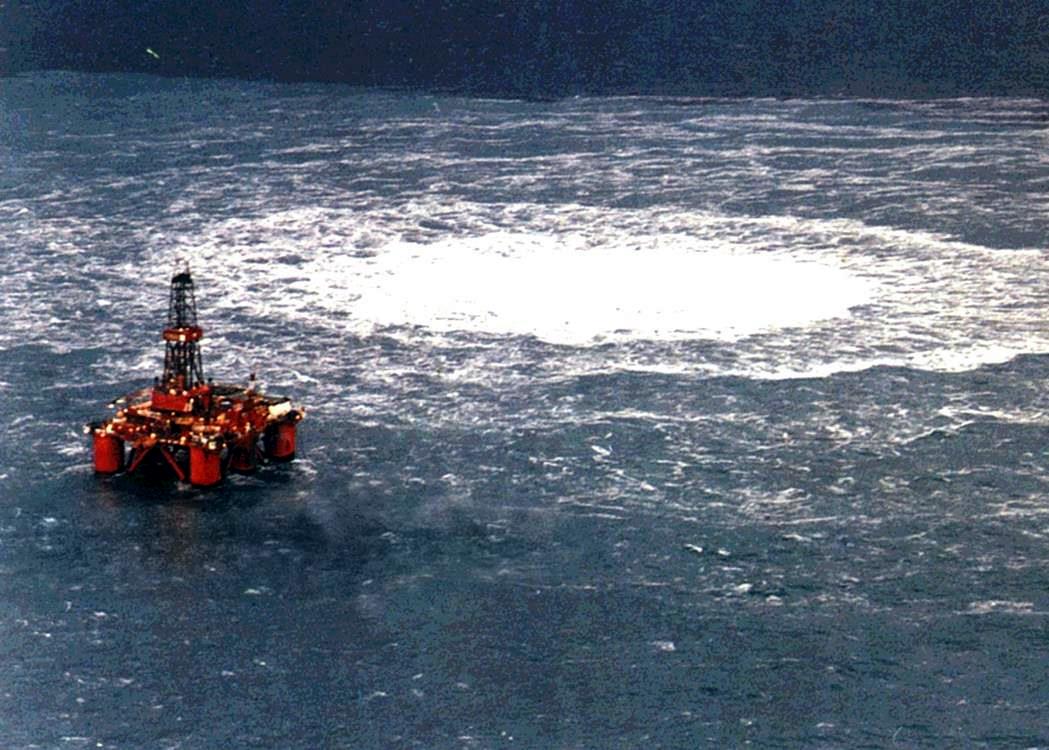
On 20 November 1990, the six-column dual pontoon MODU High Seas Driller (later renamed MODU Stena Spey), operated by Houlder Offshore Drilling Ltd, chartered by Mobil North Sea Ltd to drill an …
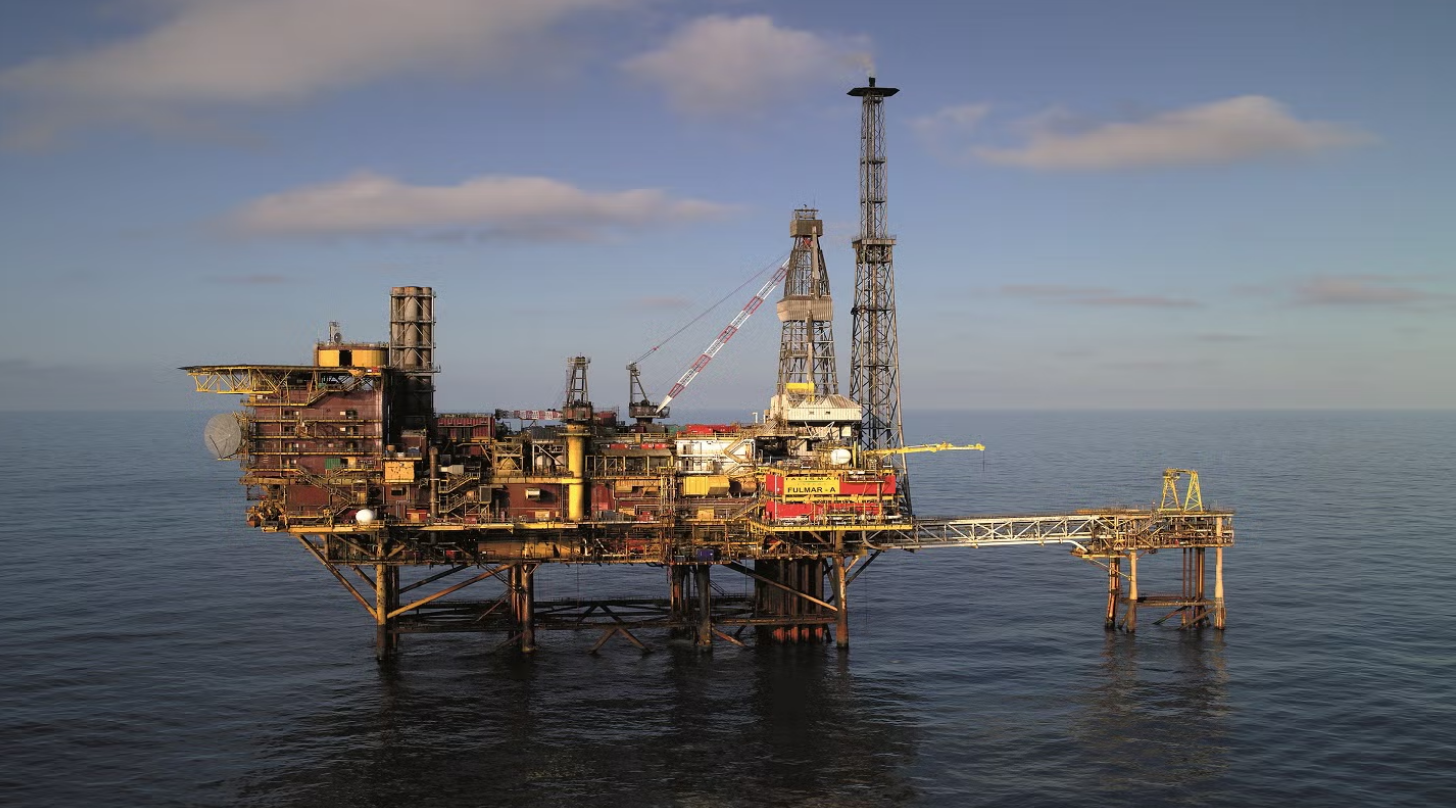
On 07 August 1991, a series of explosions rocked the Fulmar A platform, situated one hundred and sixty-eight nautical miles east of Dundee, UK sector, injuring three workers. Eight minutes after …
On 10 November 1992, at 09:39, the alarm sounded in the Frigg fields central control room, in the Norwegian sector. A fire erupted in one of the TCP2 platform shafts. Non-essential personnel received …
1993 / M. Naqib Khalid / Naqib Co / Jack-up / Fire and explosion in the Persian Gulf (Returned to service).
1993 / Actinia / Transocean / Semi-submersible MODU / Subsea blowout offshore Vietnam.
1996 / Sundowner 15A — Oryx Energy Company — Eugene Island Block 380 — Completion Blowout and Fire — 24–28 January 1996. During completion of an upper reservoir sand, completion fluid began flowing from the open workstring while the drill crew were running a gravel-pack assembly. The crew could not connect the top-drive unit to the flowing workstring. Closing the blind rams, additional rams, and the annular preventer did not stop the flow because the gas was escaping through the workstring itself. The gas ignited, and forty-five people evacuated safely by two vessels. The top drive fell to the rig floor, the derrick subsequently toppled, the fire extinguished itself around midnight on 28 January, and the well died on 07 February 1996.
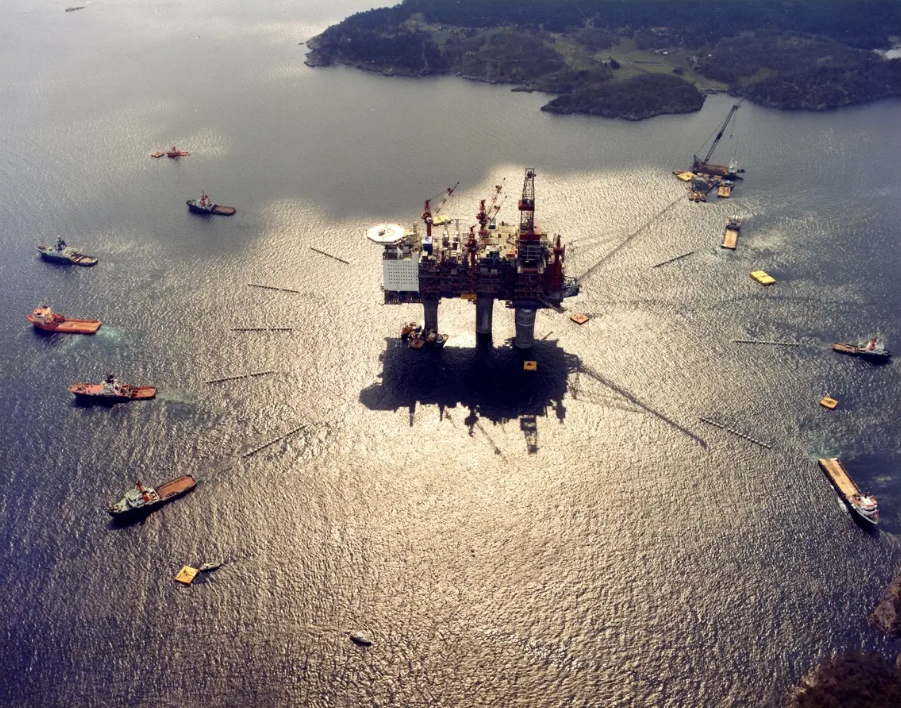
On 31 July 1994, 20,000 standard cubic metres of flammable gas leaked over the deck of the Gullfaks A platform in the Norwegian sector. Three hundred and twenty-four people were on board the …
1996 / Rowan Middletown / AMOCO Production Company / Jack-up / Gas and salt water blowout / Suffered a loss-of-hydrostatic-pressure blowout during wellhead installation/ Eugene Island Block 224, Gulf …
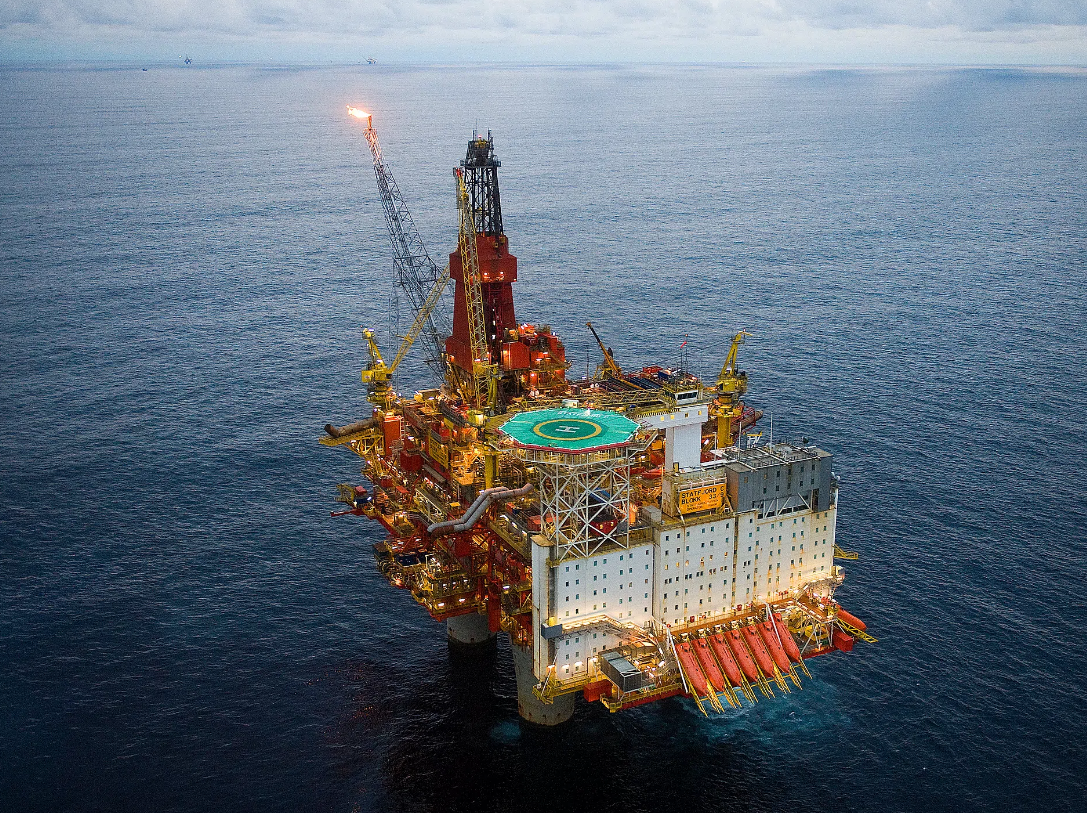
On 31 January 1996, during the transfer of oil from a tank at the oil/crude-processing site on the Statfjord C platform, Norwegian sector, a leak occurred from an open-ended flanged pipe that lacked …
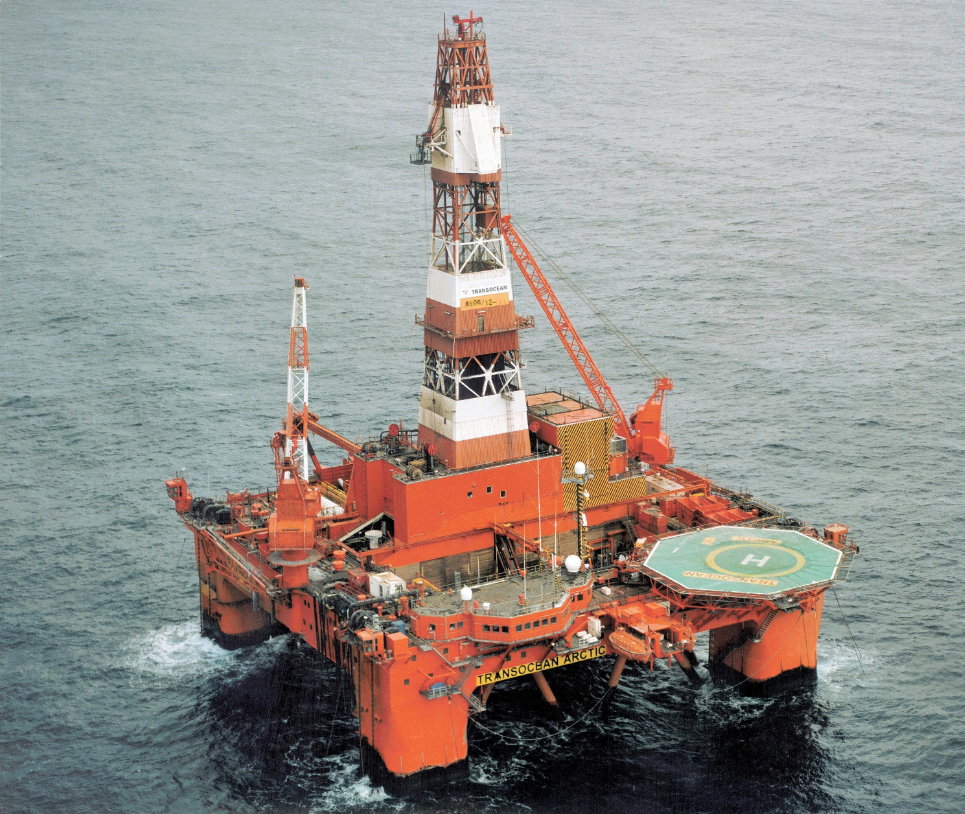
On 19 June 1997, a fire erupted in the four-column, dual-pontoon MODU Transocean Arctic (ex-Ross Rig) mud shaker room. Cables and oil residues ignited from the heat of ongoing oxygen/acetylene …
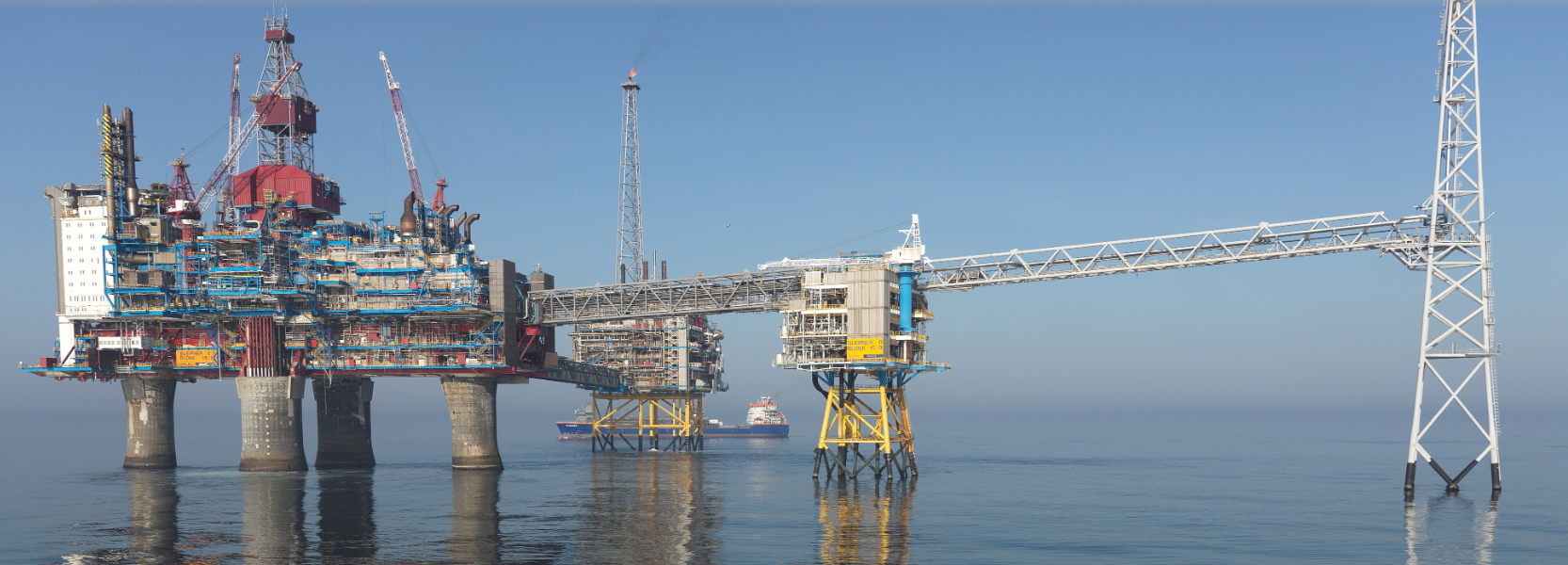
On 18 October 1998, a fire broke out on the Sleipner A platform in the Norwegian sector. The starting point was a human failure: during diesel filling, the operator had incorrectly positioned a …
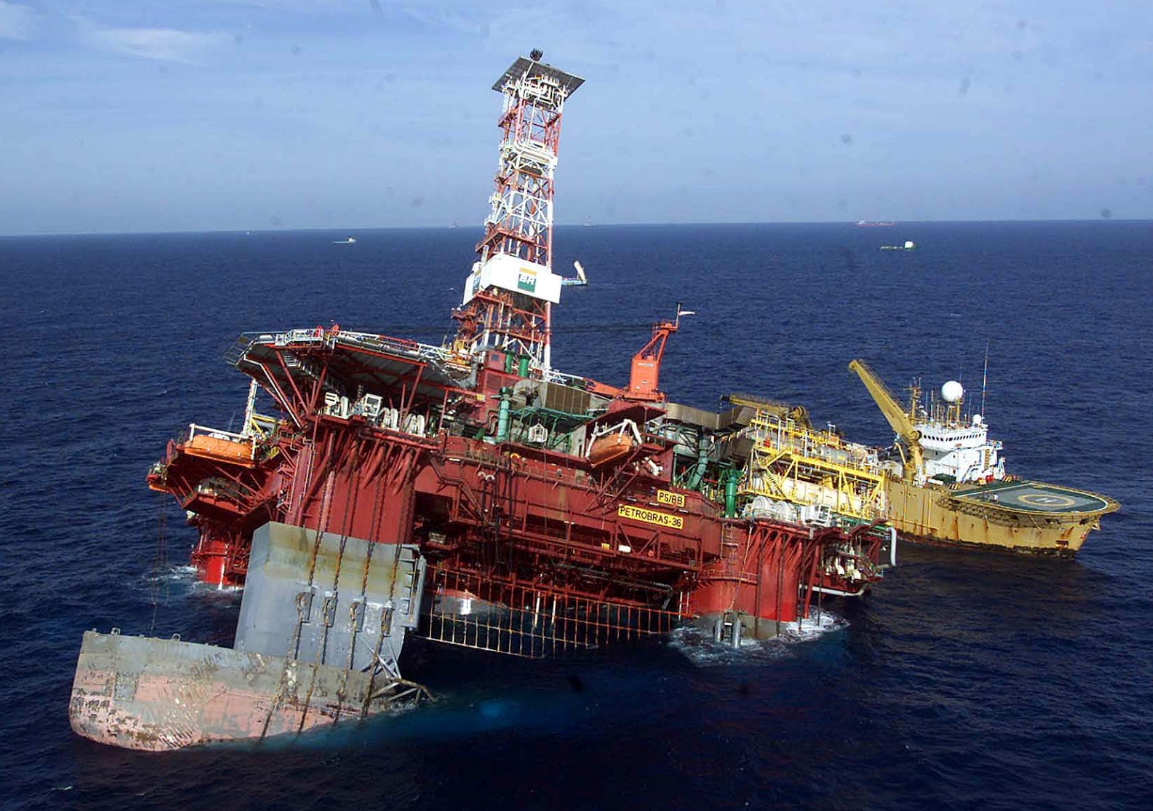
2001 / Petrobras-36 (P-36) / Petrobras / Semisubmersible / Campos Basin / Gas release with hydrocarbons entered an emergency-drainage tank on 15 March, followed by platform fires, explosions, and …
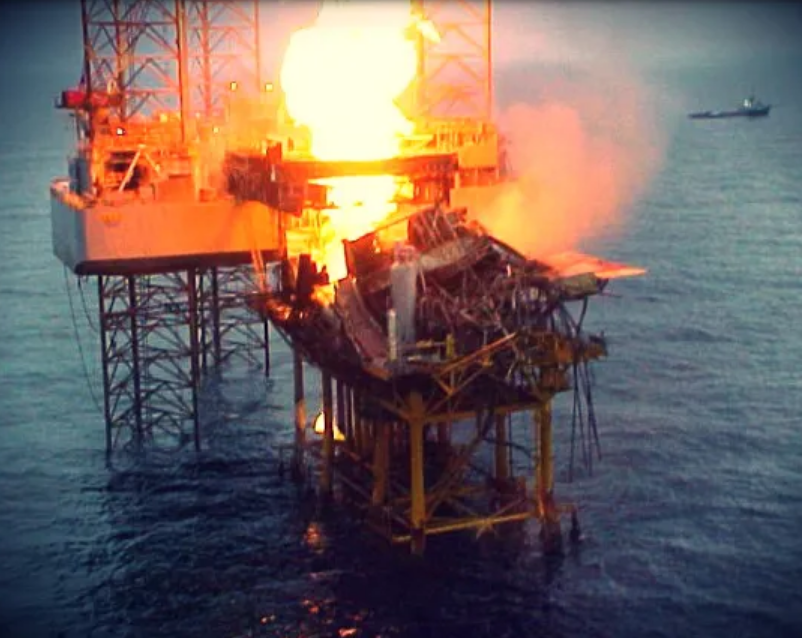
2001 / Ensco 51, a Friede & Goldman FG-780II-C independent-leg cantilever jack-up and Forest Oil Corporation’s Eugene Island 273-A production platform / Gas blowout and fire on 01 March 2001 / Eugene Island Block 273 P/FA, Gulf of Mexico, sixty-five nautical miles offshore. 43 people evacuated; there were no injuries. The distinction between Blocks 273 and 284 in the report might be confusing. The drillers drilled the well directionally from the surface installation in Block 273, but its planned bottom-hole location lay across the block boundary in Block 284.
2002 / Arabdrill 19 (ex-Sedneth 202), a Baker Marine BMC 200-IC, independent-leg cantilever jack-up / Arabian Drilling Co / Jack-up and the TS-45 jacket, Hout field, approximately 30 nautical miles east of Al-Khafji, in the offshore Saudi–Kuwaiti Partitioned Zone / Offshore border zone between Kuwait and Saudi Arabia / Structural collapse, blowout on 25 September 2002, fire. At approximately 17:00, the jack-up was in position alongside the fixed TS-45 jacket. Its cantilever drilling package was being skidded out—moved horizontally from the jack-up hull towards the well slots on the fixed platform—when the port leg punched through and collapsed. The rig listed or heeled approximately 45 degrees and became partly submerged. The fixed jacket and two wells suffered severe structural damage, followed by an uncontrolled oil-and-gas release. The impact sheared off the production trees on two wells, triggering an immediate gas/oil blowout and intense fire). Fatality reports conflict: sources cite either no deaths with either 5 or 6 injuries or three deaths and several injuries. The MV Gala rescued the crew when they abandoned the facility. The strongest source states that all 71 people aboard were rescued by M/V Gala: one KJO employee; sixty-four Arabian Drilling Company personnel and six Schlumberger personnel.
2004 / GSF Adriatic IV / Global Santa Fe / Jack-up – Temsah Platform / Gas blowout and fire at the Temsah EG platform, offshore Egypt, Mediterranean Sea on 10 August 2004 / The platform and the …
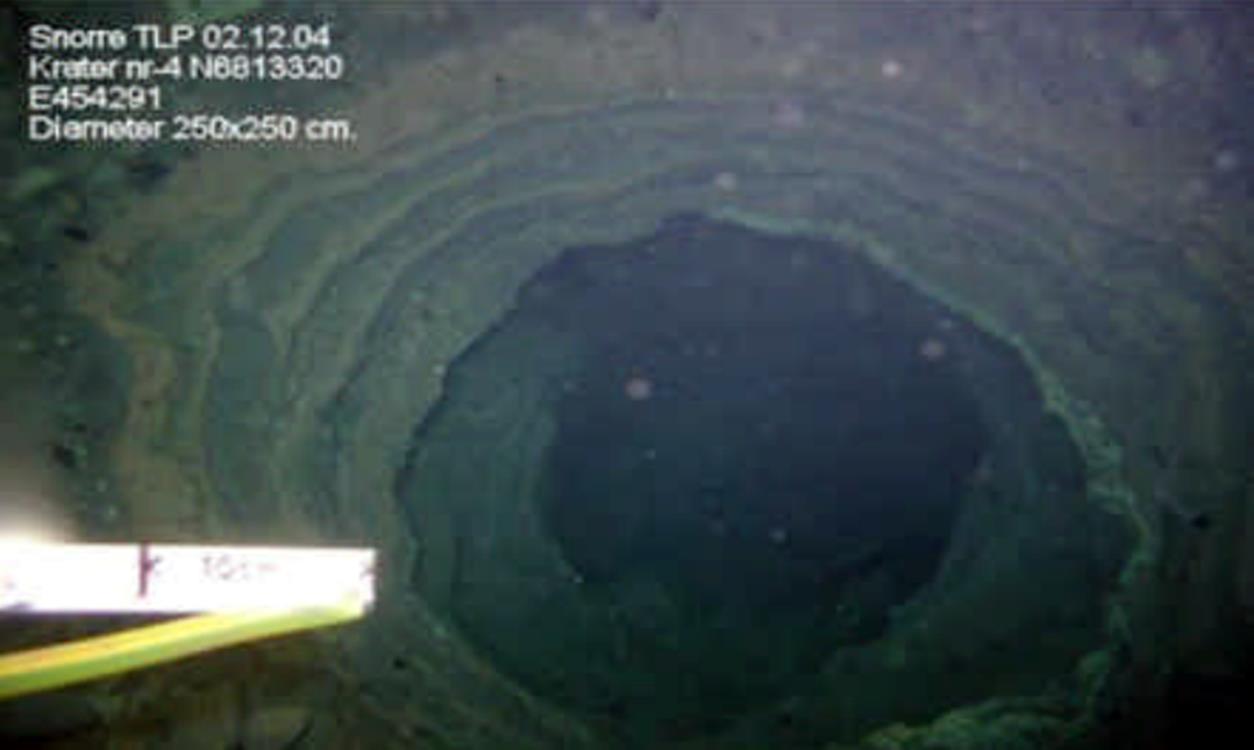
On 28 November 2004, an uncontrolled situation occurred on the Snorre A four-column Tension Leg Platform (TLP), a massive integrated Production, Drilling and Quarters (PDQ) unit with a displacement …
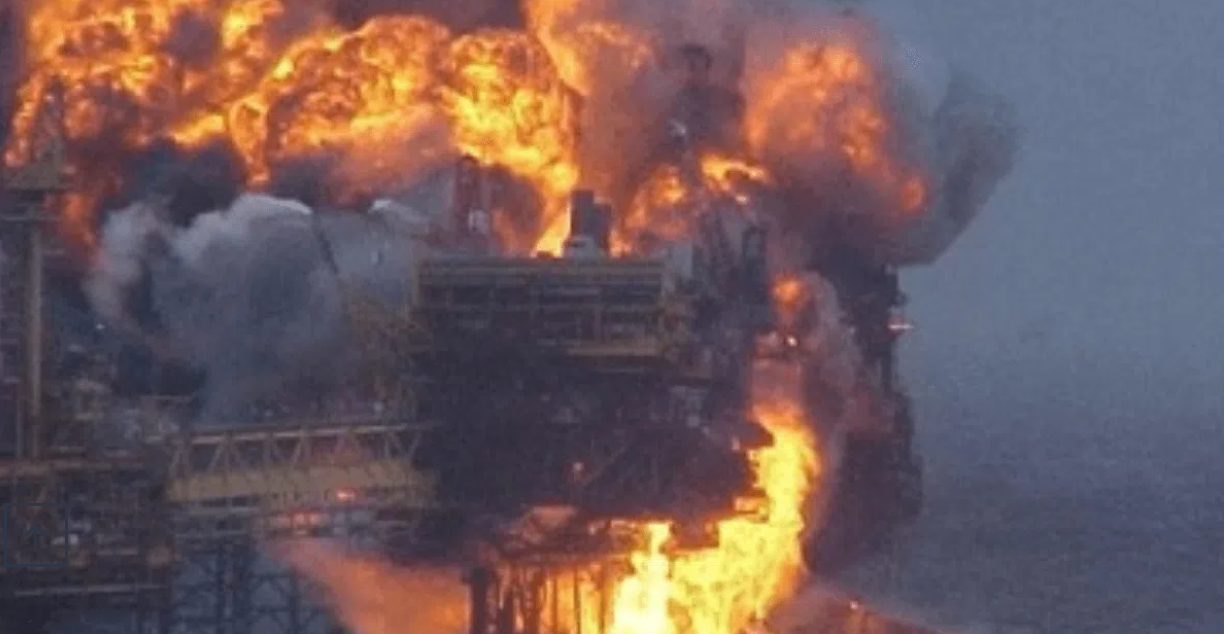
2005 / Mumbai High North platform / ONGC / Gas leakage from risers after a DSV collision with the platform located in the Arabian Sea on 27 July 2005/ Fire and explosion / twenty-two fatalities.
2007 / Usumacinta - Usumacinta; Perforadora Central / PEMEX / Jack-up - Kab 101 wellhead platform / Storm with 8-metre (26.2 ft) seas and 70-knot winds shifted the Jack-Up, causing a well on the …
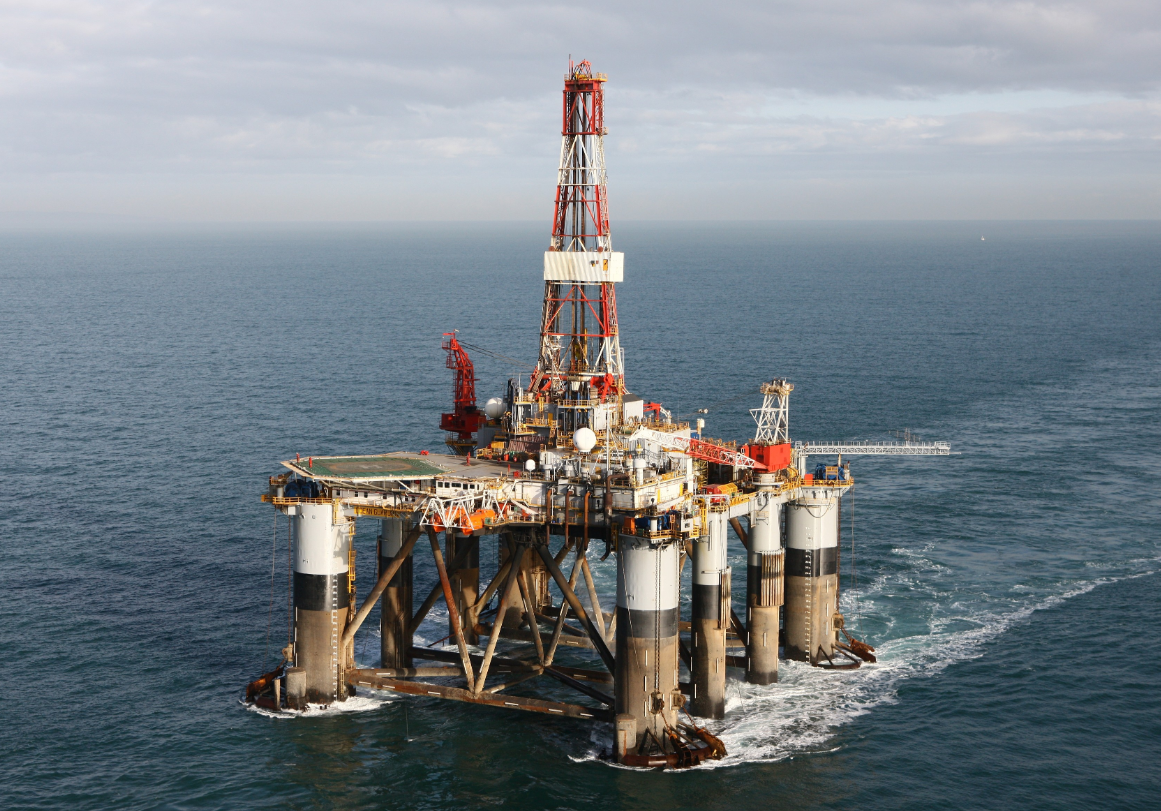
On 14 August 2007, at 18:20, a raging fire erupted in the engine room compartments of the MODU Ocean Guardian, a four-plus-four-column dual pontoon semi-submersible drilling rig operated by Diamond …
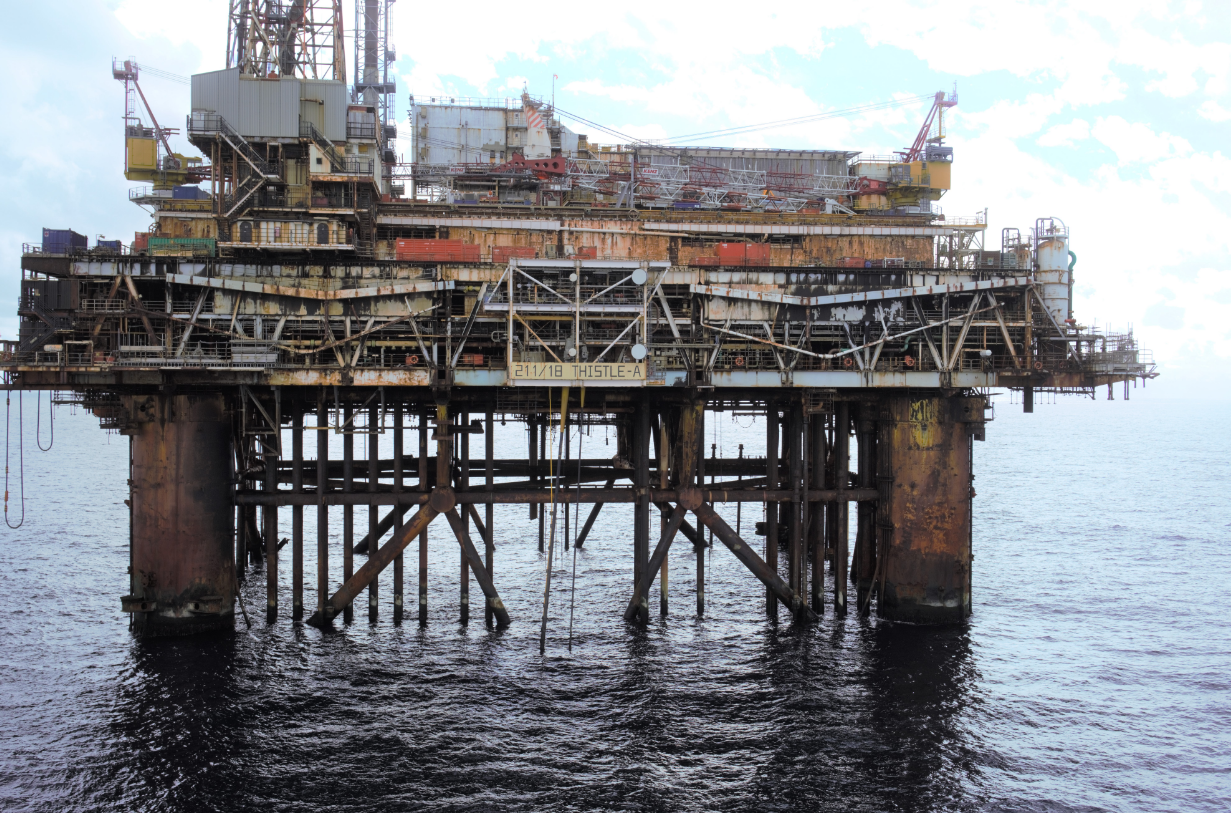
On 24/25 November 2007, a fire erupted on the Thistle Alpha platform, UK sector, one hundred and three nautical miles northeast of the Shetland Isles. Seven rescue helicopters were dispatched to the …
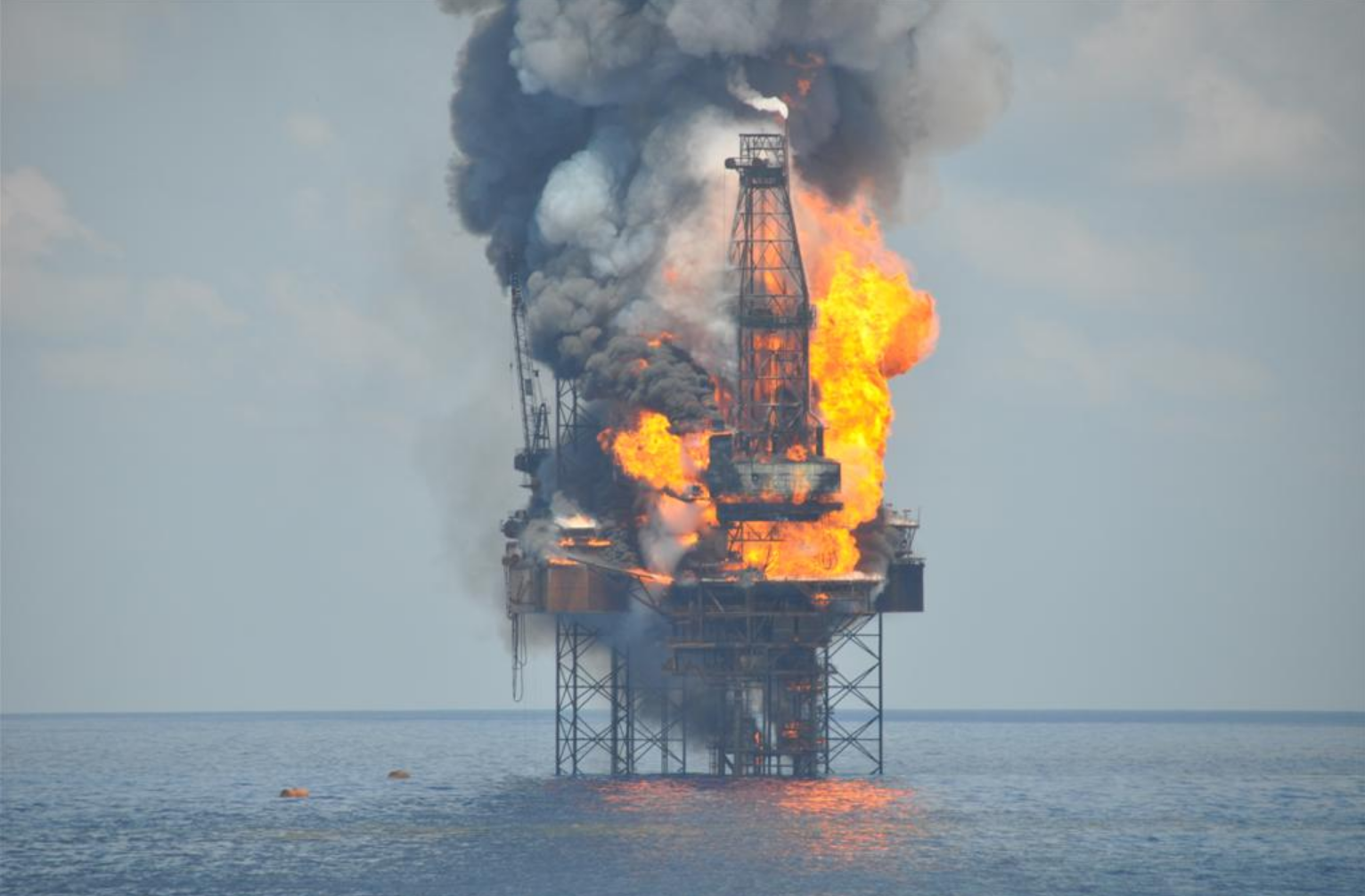
2009 / West Atlas and Montara Wellhead Platform / PTTEP Astralasia operated the Montara field; West Atlas was owned by Seadrill and operated by Atlas Drilling / Jack-up Platform / Oil and Gas …
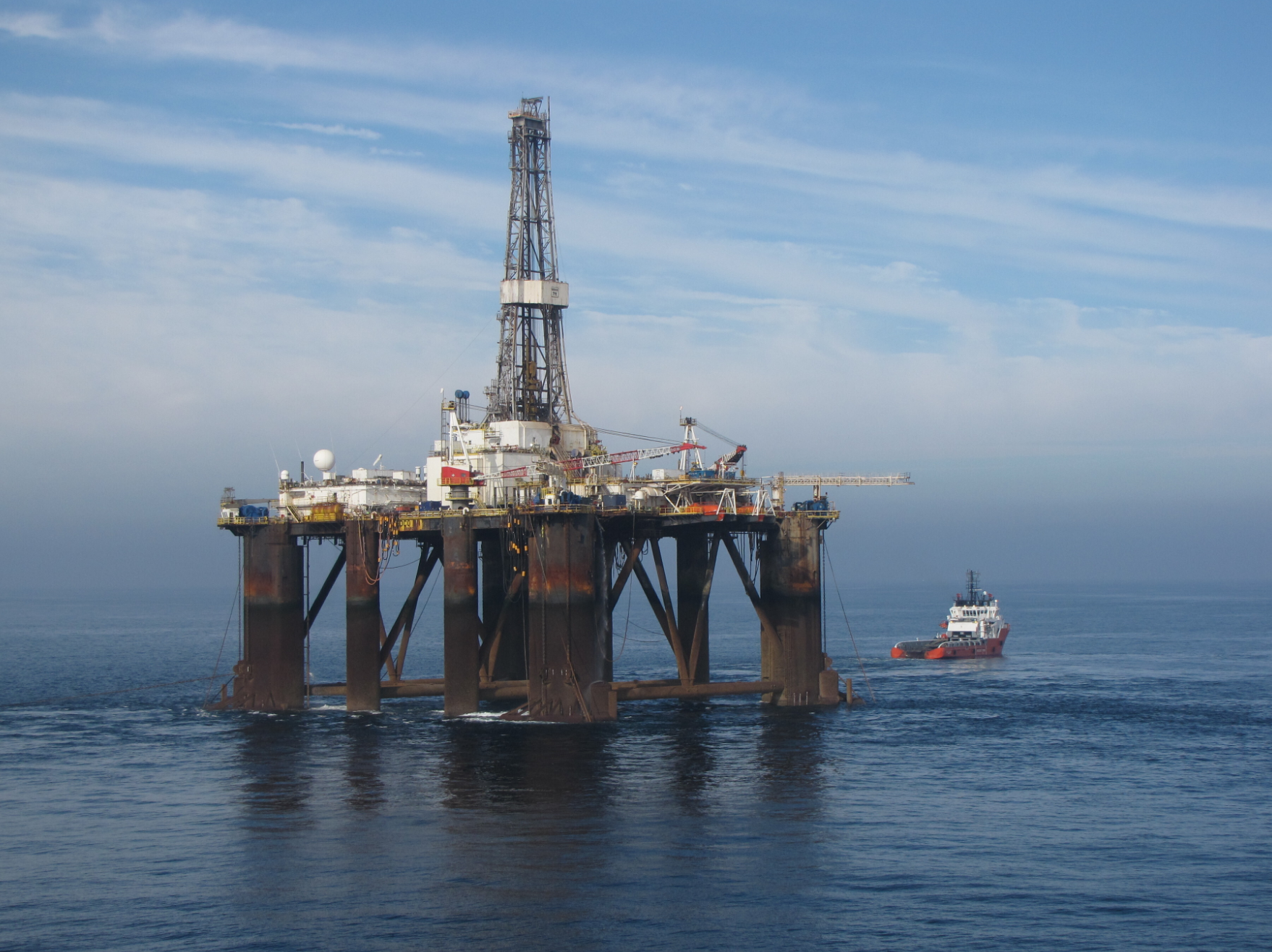
On 23 December 2009, four months before the Gulf of Mexico MODU Deepwater Horizon disaster, the MODU SEDCO 711, a rig leased by Shell and operated by Transocean, was drilling in the UK sector of …
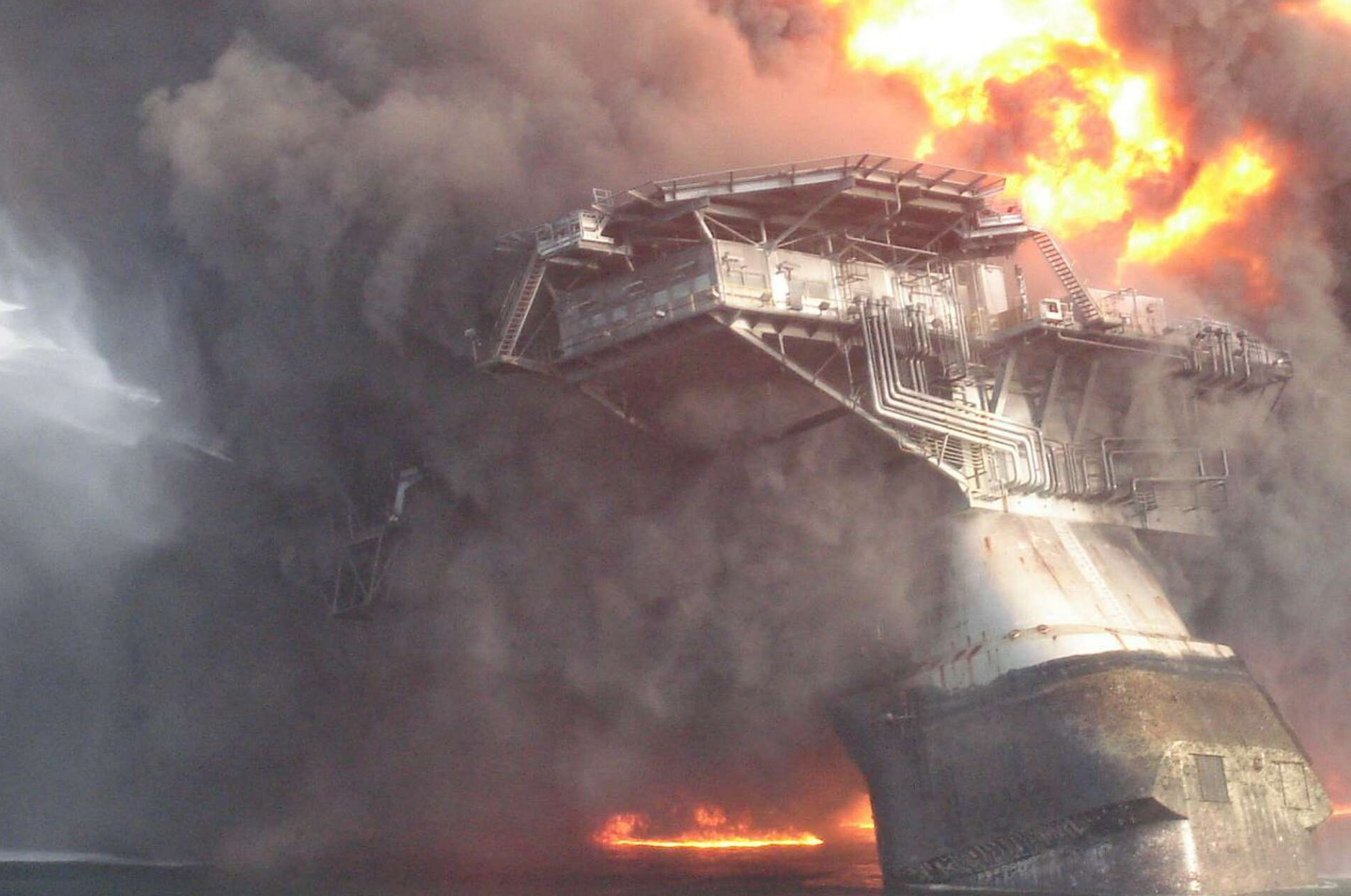
2010 / Deepwater Horizon / Transocean / Semi-submersible MODU / Blowout occurred on 20 April 2010; a fire on the rig, subsea well blowout, and eleven fatalities in a catastrophic explosion / Macondo …
2010 / Vermilion 380 A / Mariner Energy / Vermilion Block Fixed Platform / Fire and explosions / Gulf of Mexico on 02 September 2010. The investigation attributed the fire to the collapse of a fire tube inside a heater-treater.
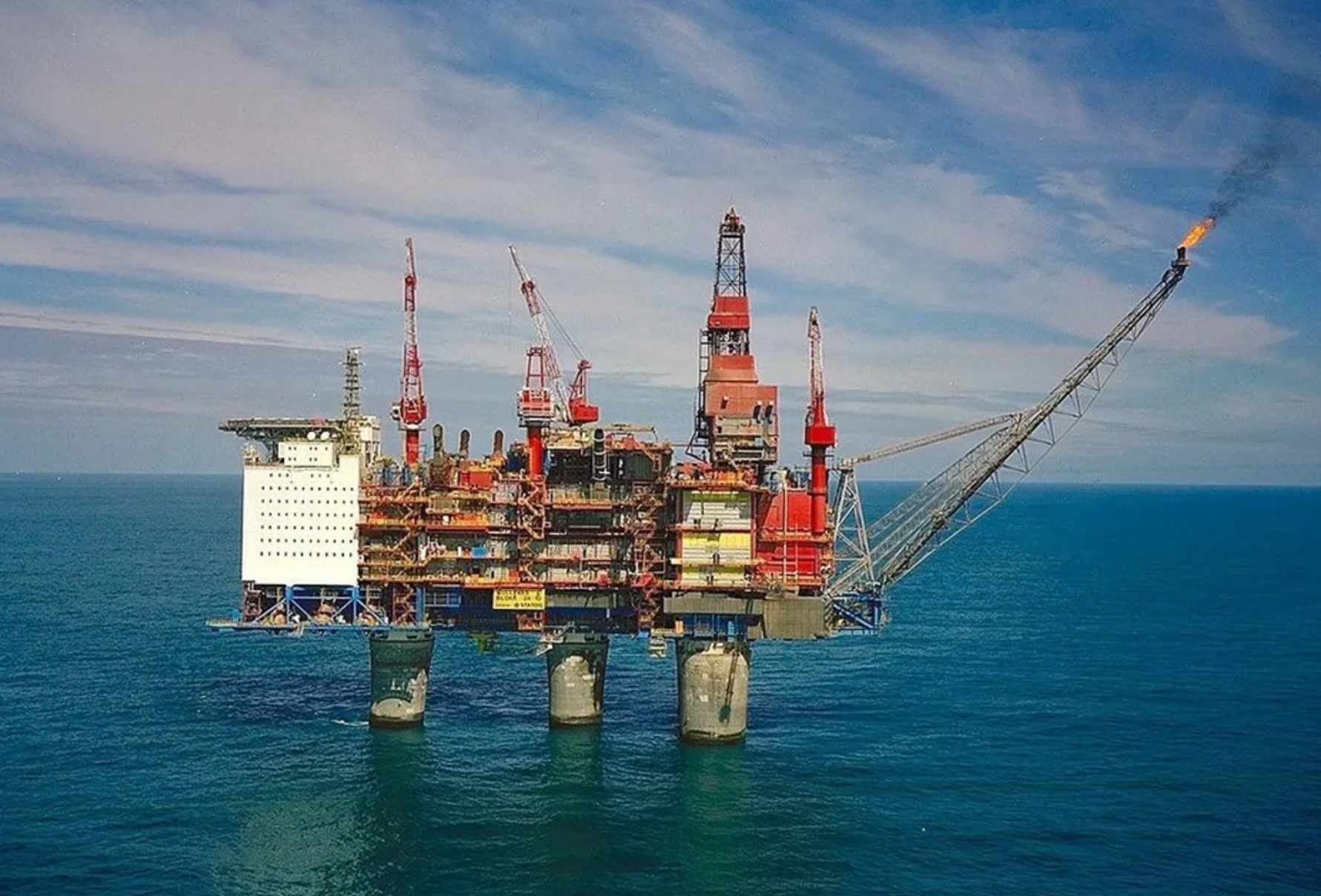
On 19 May 2010, drillers lost positive control of a Gullfaks C platform well with designation 34/10-C-06 AT5. No injuries or oil spillage occurred. However, this accident was severe and, under …
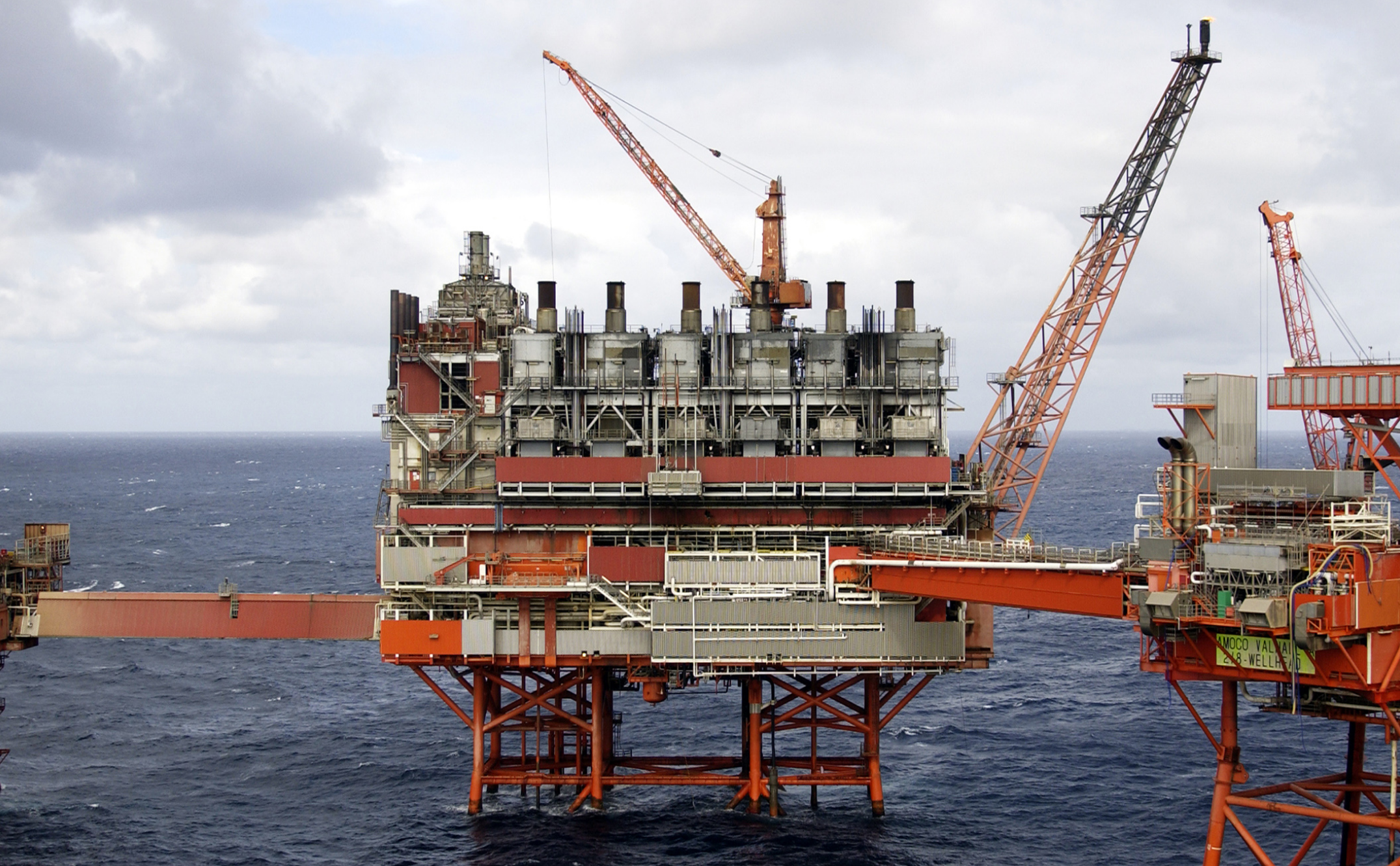
On 13 July 2011, a fire on the Vallhall PCP platform, the field's production and compression platform, forced the shutdown and evacuation of most of the 626 people working on the Valhall field …
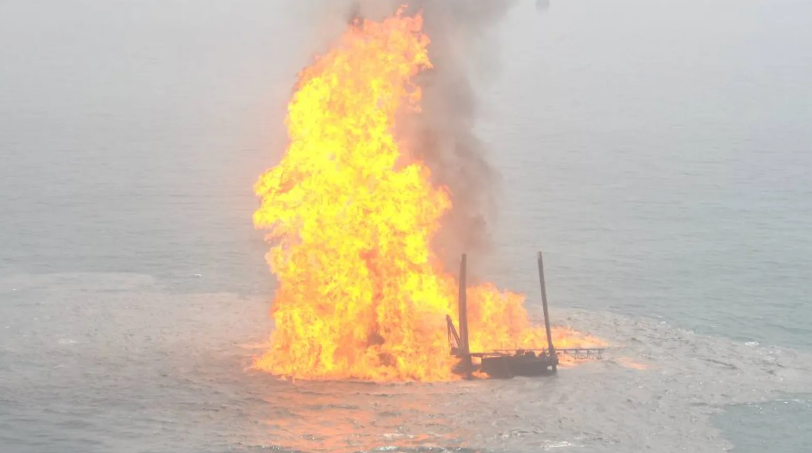
2012 / KS Endeavour / KS Energy Services / Jack-up / Blowout and fire on the rig, collapse, two fatalities in an explosion on 16 January 2012 / Funiwa 1A gas well, offshore Nigeria / RPLB Antares …
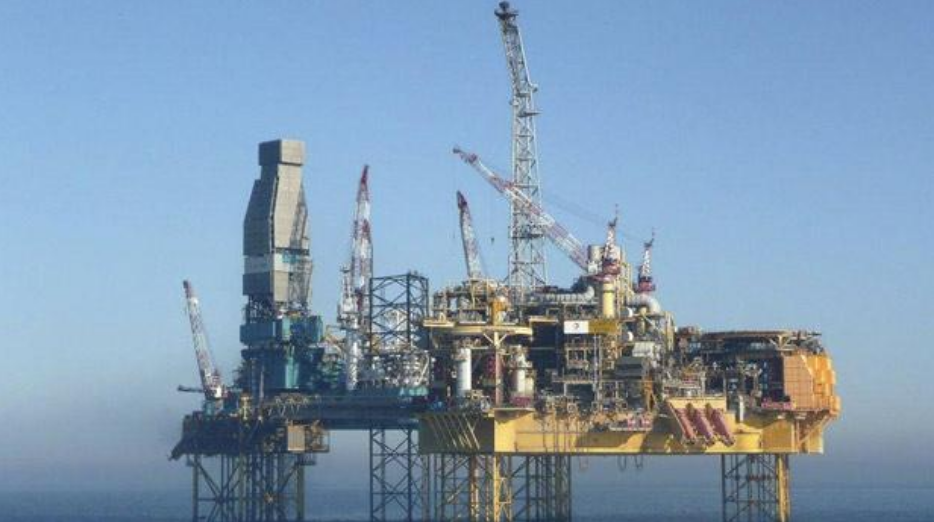
On 25 March 2012, all 238 people underwent evacuation from the Elgin wellhead platform and the adjacent three-legged KFELS N-Class exploration jack-up drilling barge, the Rowan Viking, at the two …
2015 / Deep Sea Platform no. 10 / Gunashli oilfield, Azerbaijan / SOCAR / Extreme weather, 8-10 metre (26.2 ft to 32.8 ft) seas with winds gusting 78 knots, explosion and fire, thirteen confirmed …
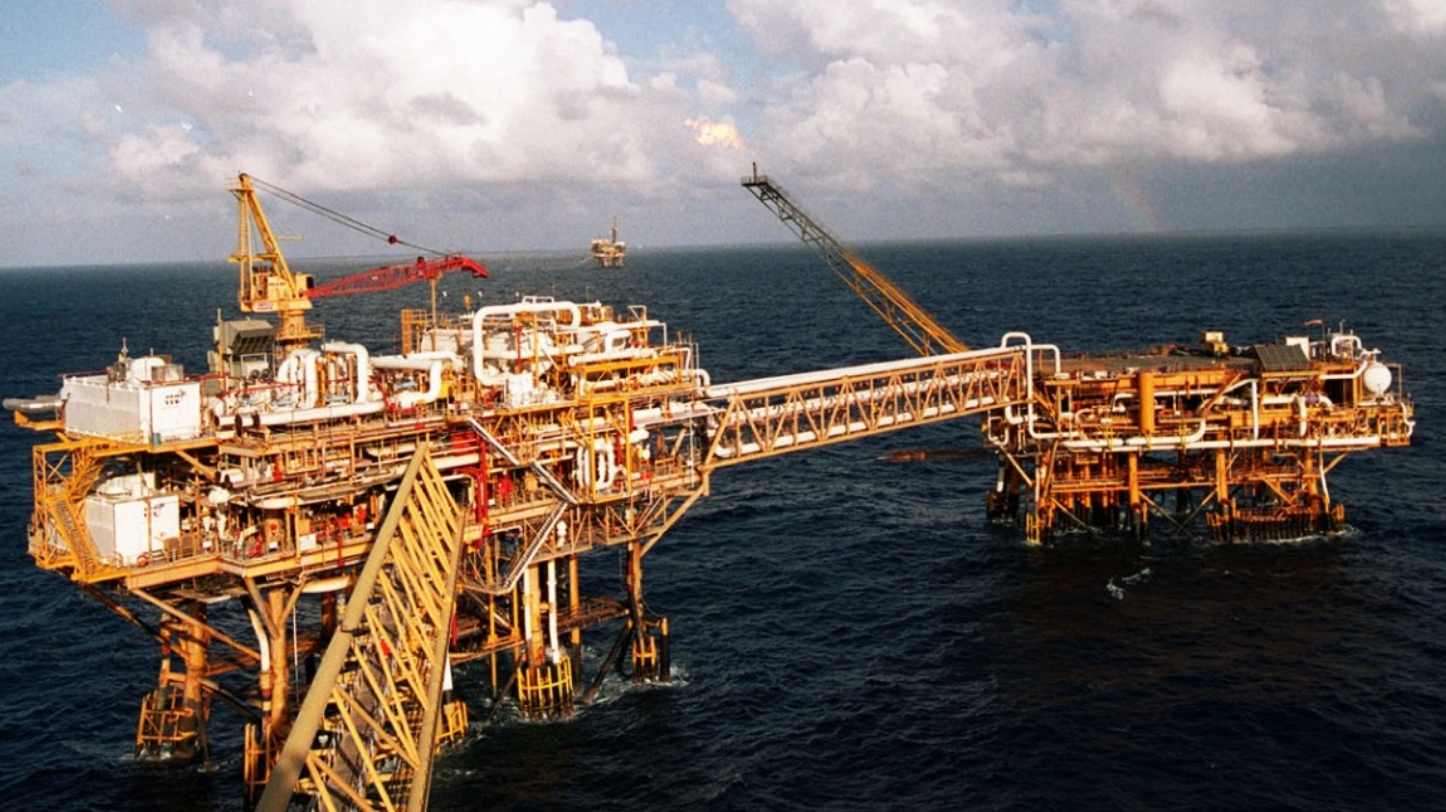
2015 / Abkatun-A platform / PEMEX / Fixed Platform / Abkatun-Pol-Chuc oil field, Bahia de Campeche (Bay of Campeche), Gulf of Mexico, on 01 April 2015, a fire and explosion resulted in seven fatalities.
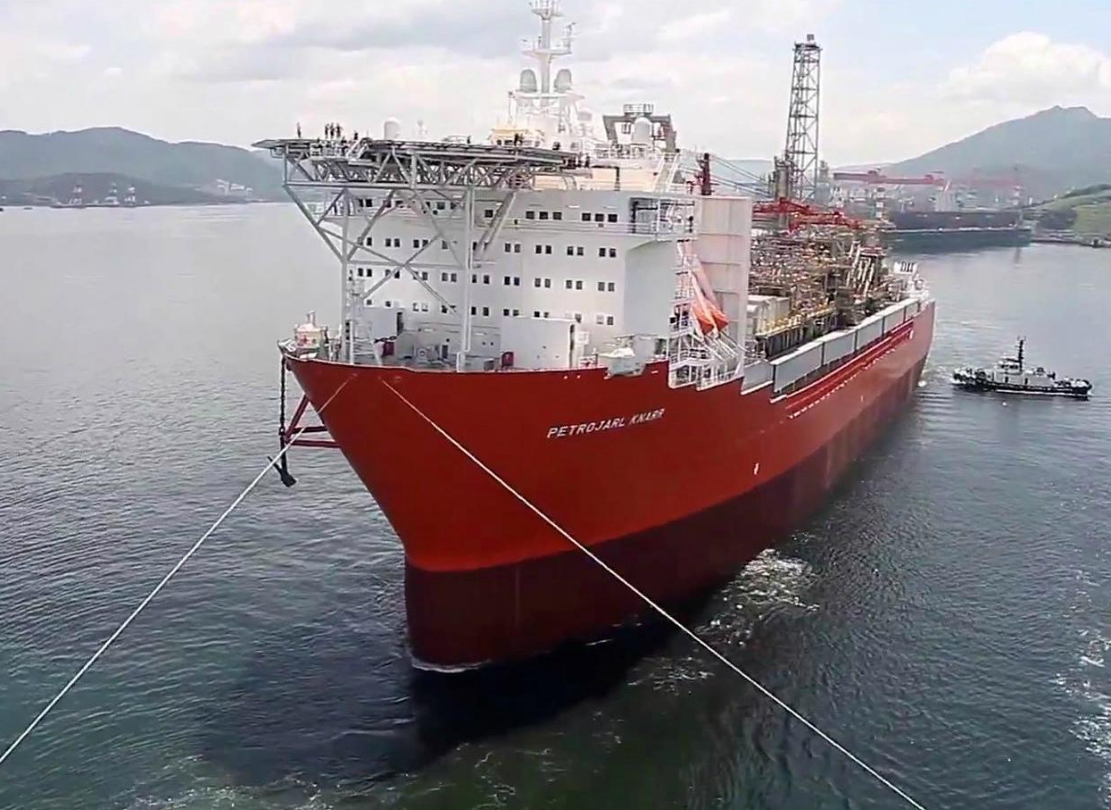
On 24 March 2015, a fire broke out in the ventilation system of the FPSO Petrojarl Knarr, moored at the Knarr field in the Norwegian sector. The fire originated in the ventilation system that …
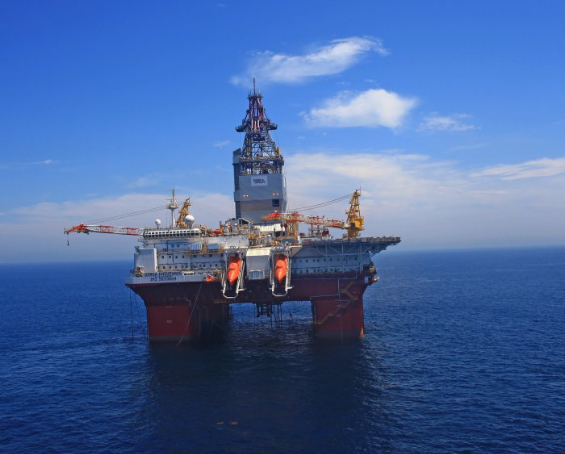
On 15 October 2016, a well control incident occurred on the MODU Songa Endurance, a four-column, dual-pontoon semi-submersible drilling facility and the first of four Cat D design rigs. The rig was …
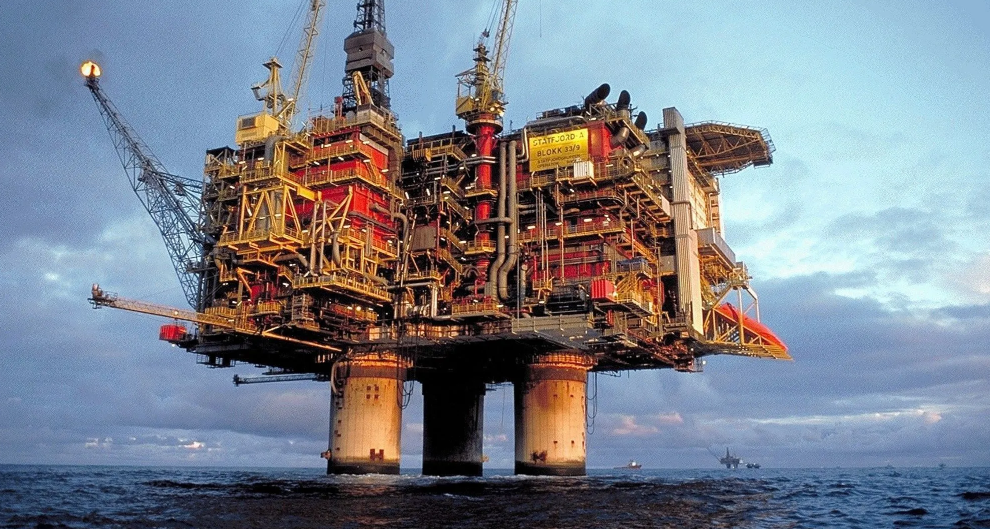
On 16 October 2016, a fire broke out in the Statfjord A platform equipment shaft (Norwegian sector). The incident occurred during the unloading of crude oil from Statfjord A storage cells to a …
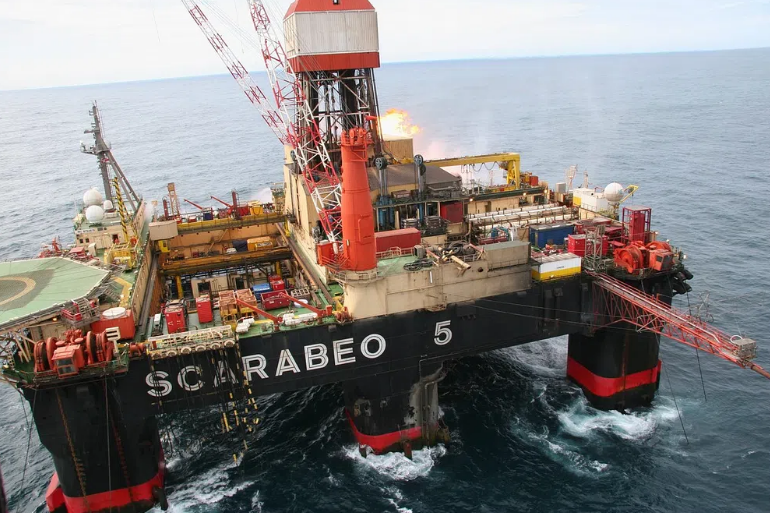
On 22 November 2016, a fire started in the DP class III Moss Maritime ME 4500DP design, six-column, dual-pontoon MODU Scarabeo 5 port engine room. The rig was on anchors at the Njord field in the …
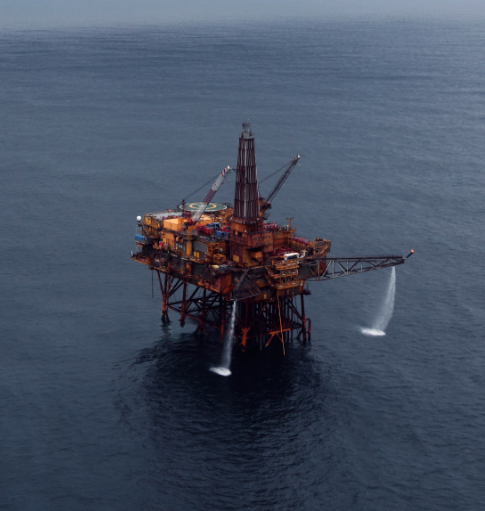
On 14 October 2019, two workers suffered injuries in the fire that erupted at the platform's processing plant, in the compressor modules on the Heather Alfa BLK 2/5, a single integrated drilling, …
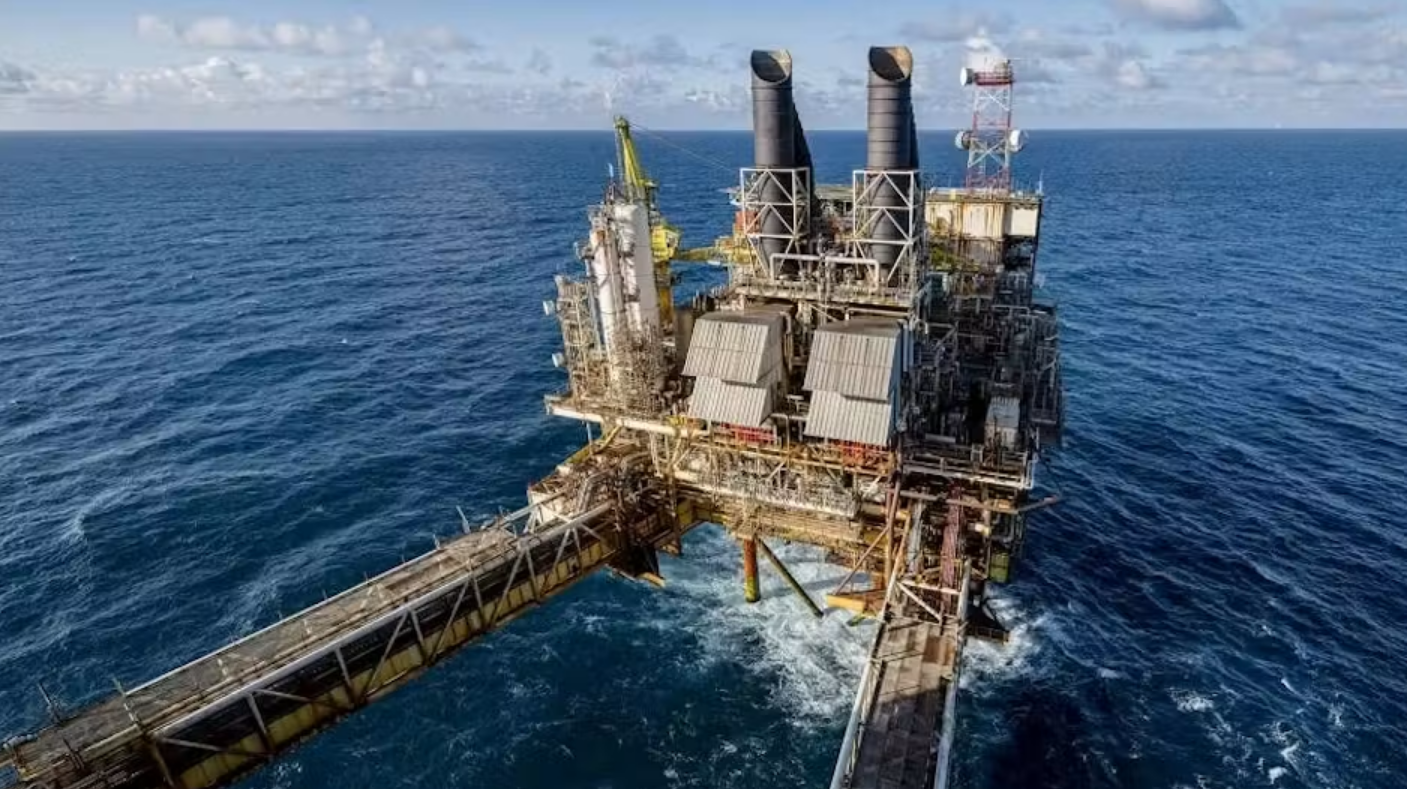
On 18 February 2020, a small fire broke out in the Eastern Trough Area Project ETAP central processing platform's power generation units; the platform handled production from six BP-operated fields - …
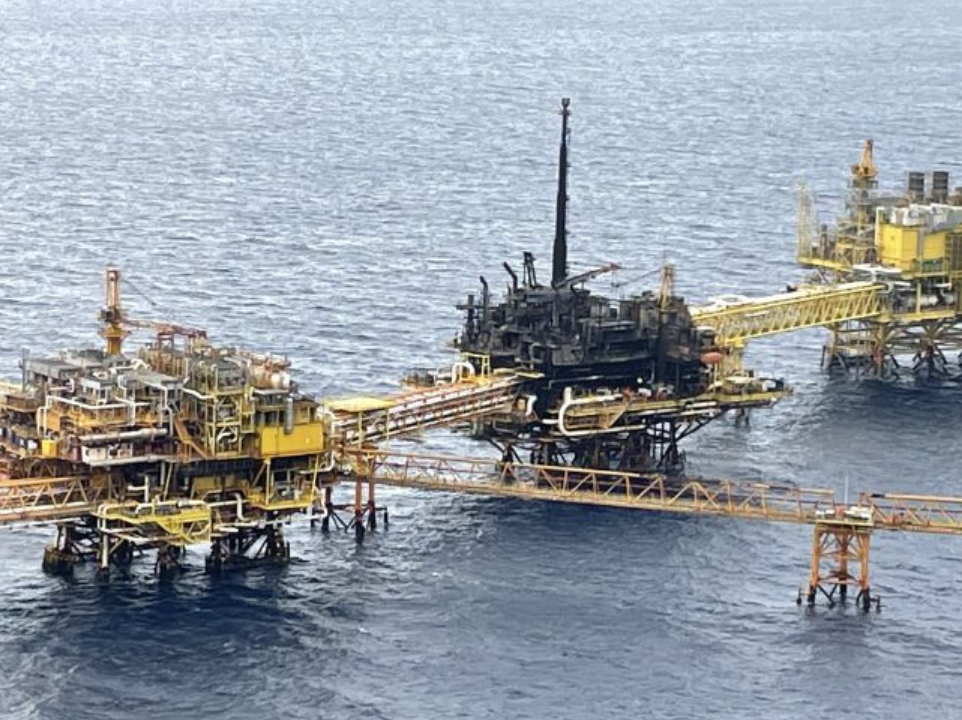
2021 / E-Ku-A2 platform / PEMEX / Fixed Platform / Ku-Maloob-Zaap complex's gas processing facility in the Bahia de Campeche (Bay of Campeche), Gulf of Mexico, on 22 August 2021, a fire and explosion resulted in seven fatalities.
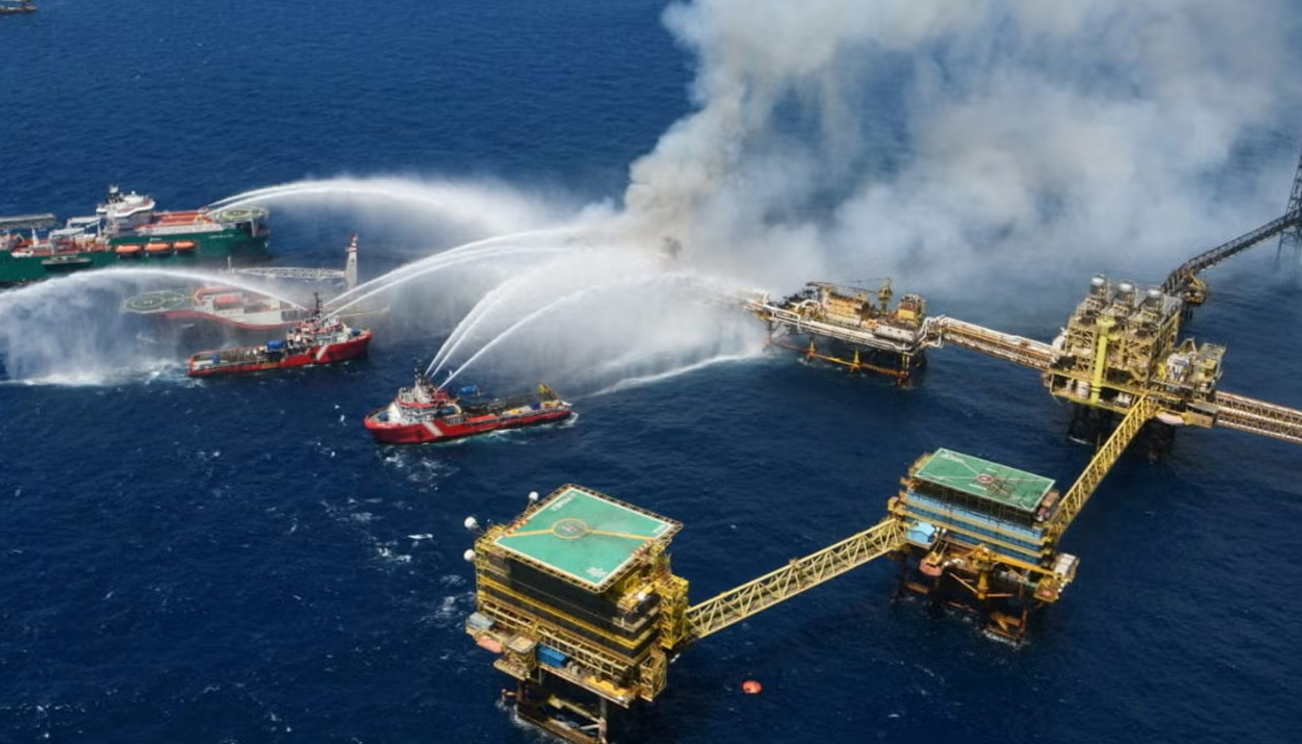
2023 / Nohoch-A Platform / PEMEX / Fixed Platform / Cantarell oil and gas field, Gulf of Mexico, on 07 July 2023, a fire and explosion resulted in two confirmed deaths and one worker missing.
Loss of well control
Worldwide, between 1980 and 1999, there were 186 reported loss-of-well-control (LOWC) incidents and 360 fatalities associated with those LOWCs.
Worldwide, between 2000 and 2015, there were 156 reported LOWC incidents, with 74 associated fatalities.
There have been a combined 314 reported blowouts/well releases in the waters of the US Gulf of Mexico Outer Continental Shelf and the Norwegian and UK sectors of the North Sea from 01 January 1980 through 31 December 2020. Of these LOWC incidents, 94 occurred in the UK and Norwegian sectors of the North Sea.
Statistically speaking, blowouts are rare incidents. During a study period of 41 years, recording offshore operations on the Norwegian Continental Shelf (NCS), there have been three very serious major blowout accidents, a minimal number of accidents/incidents; however, due to the inherent clear and present dangers that accompany blowouts, the rarity does not mitigate the need to work safely and constantly take all necessary precautions.
Source: Paal S. Dinessen — North Sea and Global Blowouts and Fires (Rev 2). The global register below the North Sea record lists notable worldwide offshore gas and oil blowouts, explosions and fires affecting platforms, barges, drillships and jack-ups, in the form: Year / Rig Name / Rig Type / Damage / Details.

A four-volume autobiographical work spanning continents, disciplines, and decades. Editorial edition, published in print and online.
