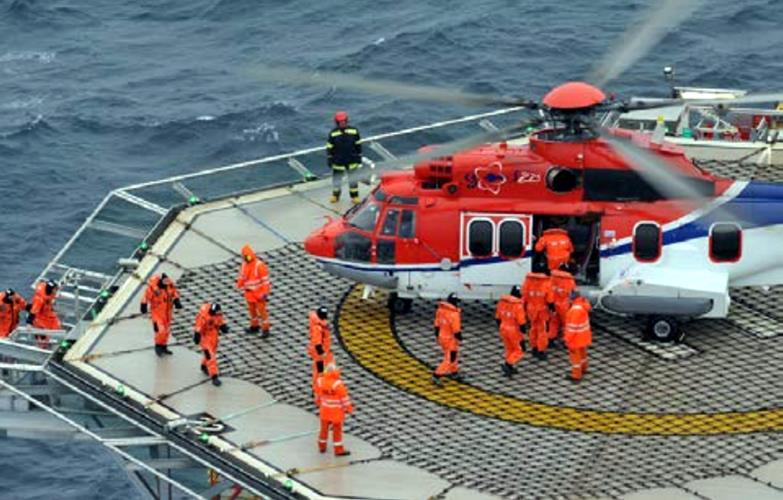
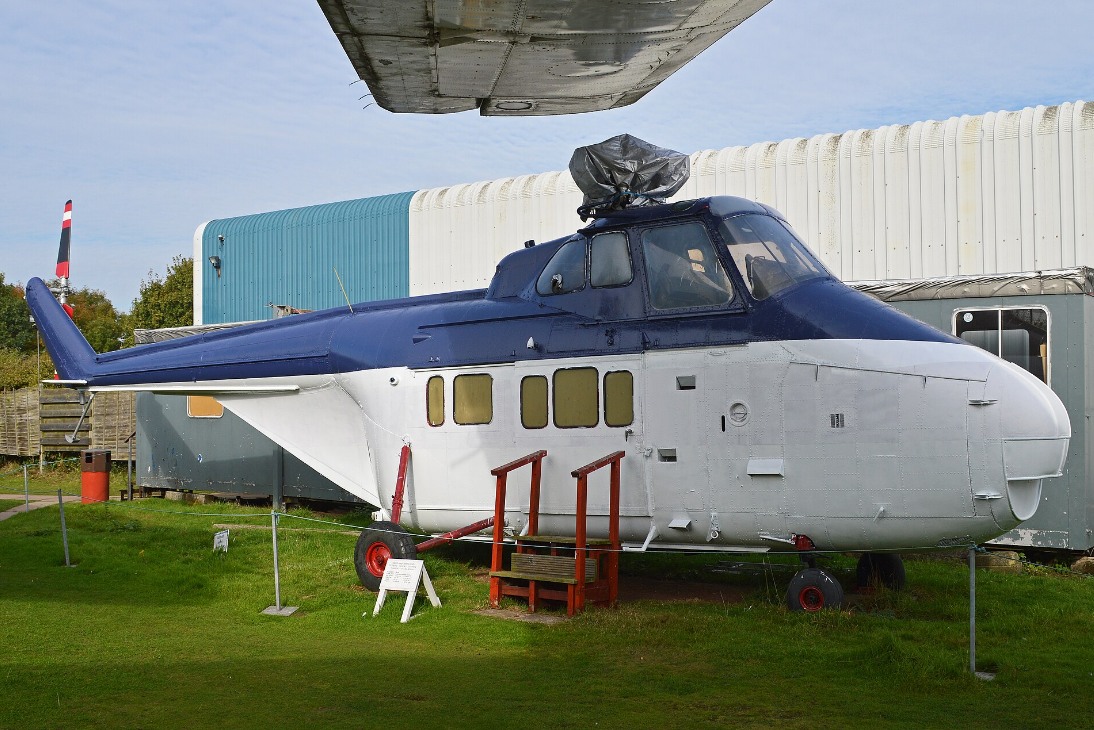
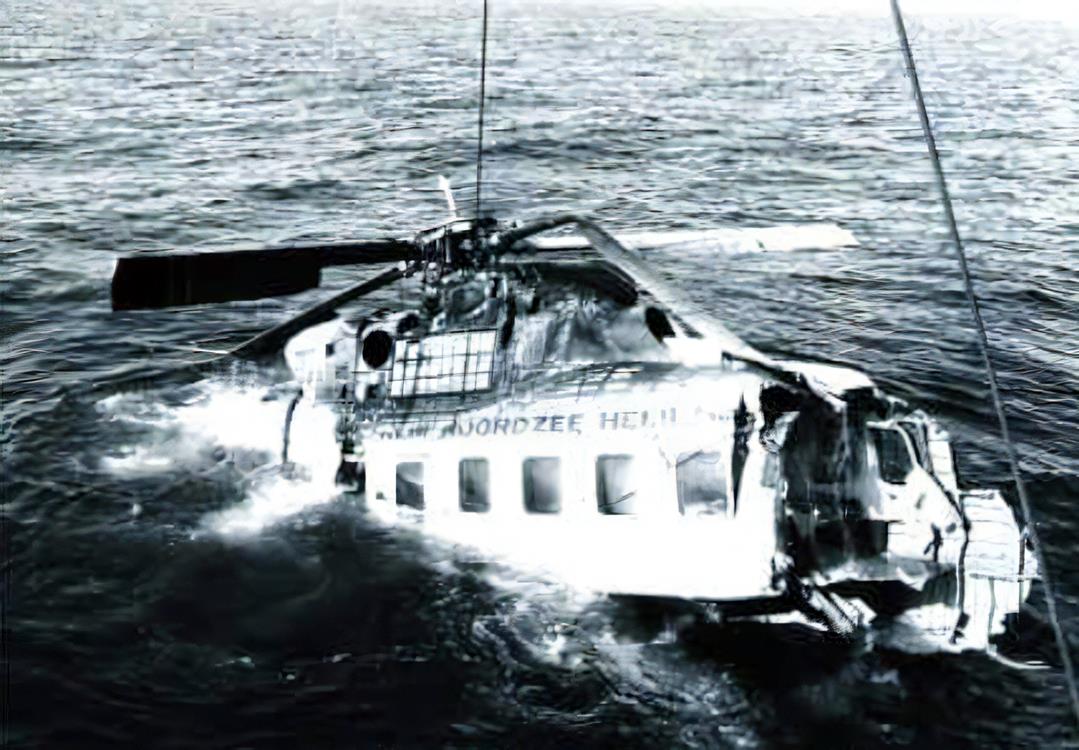
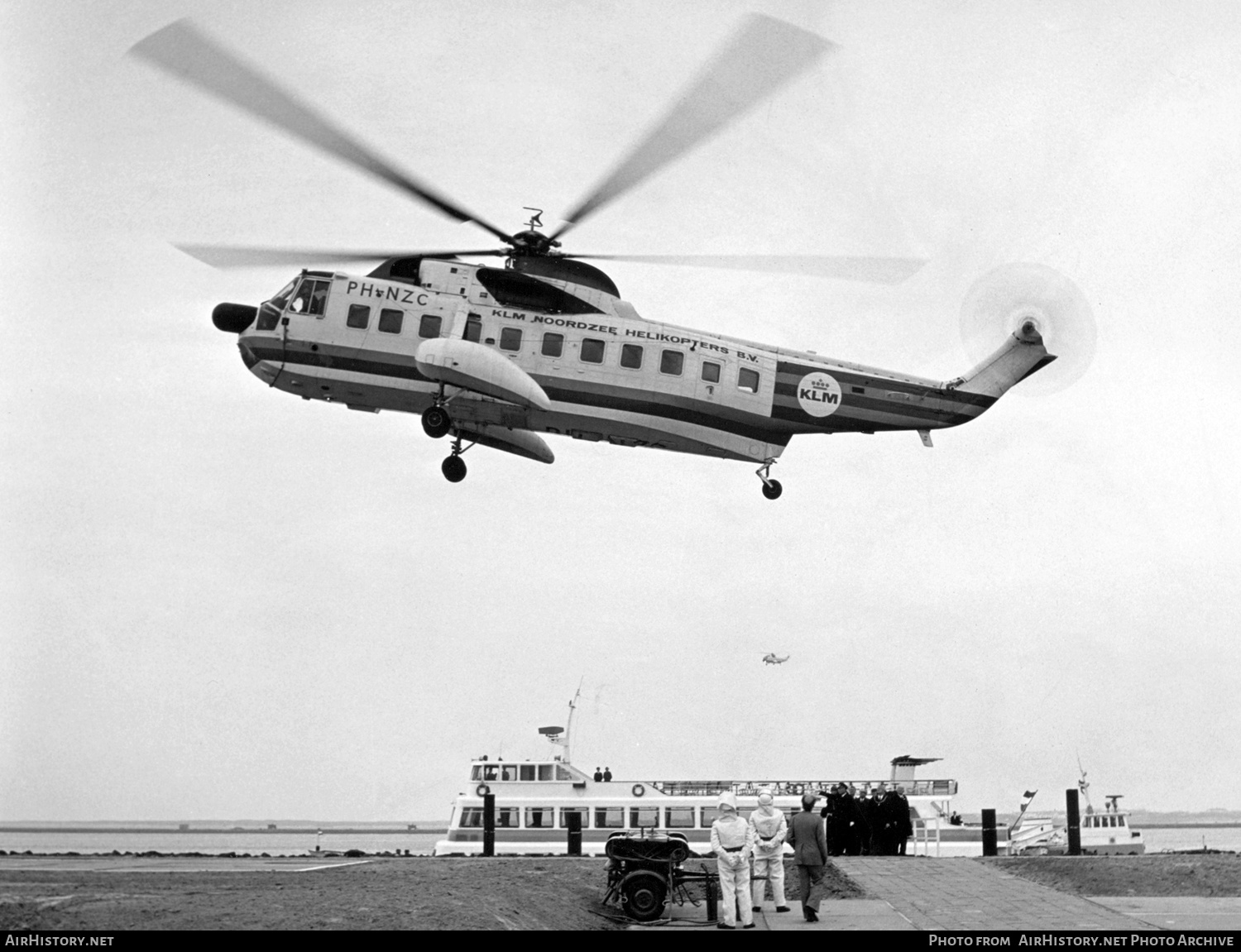
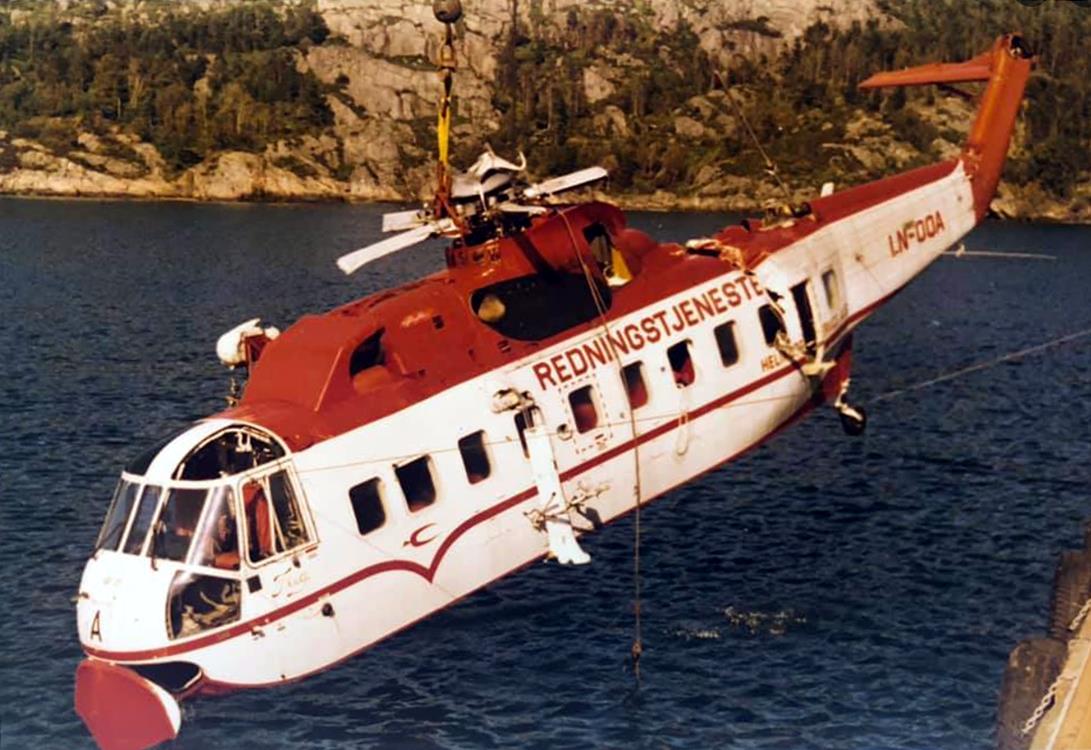
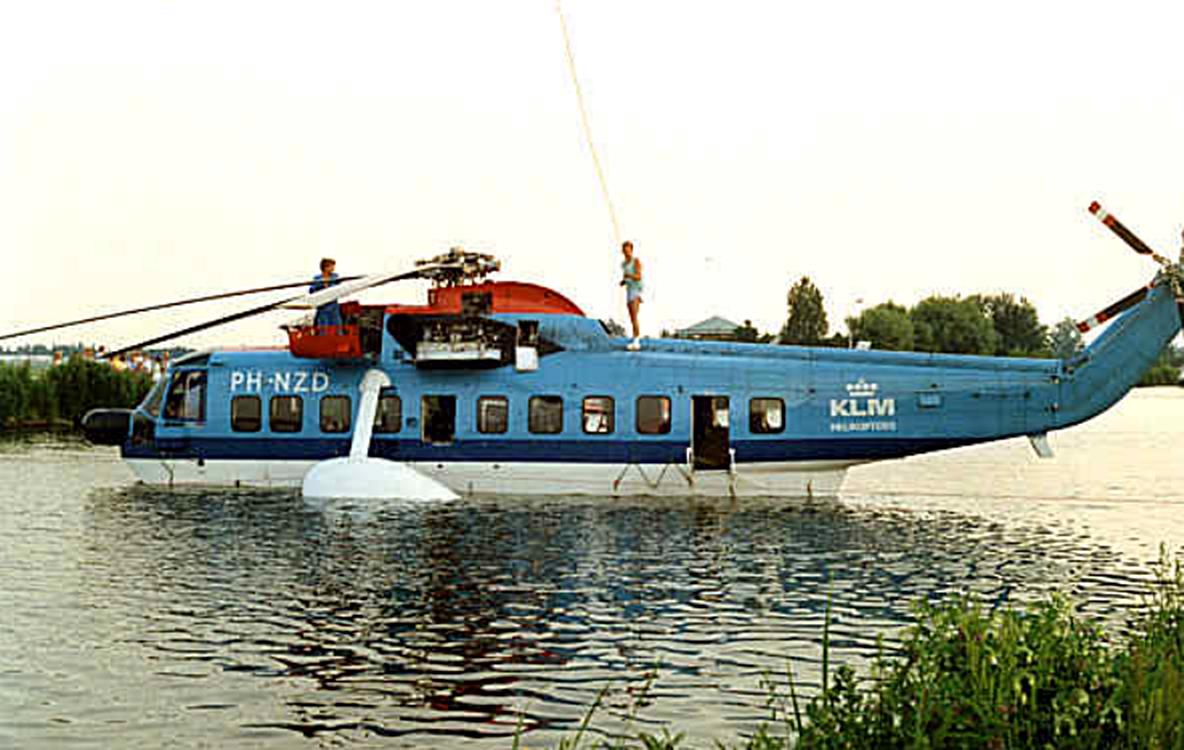
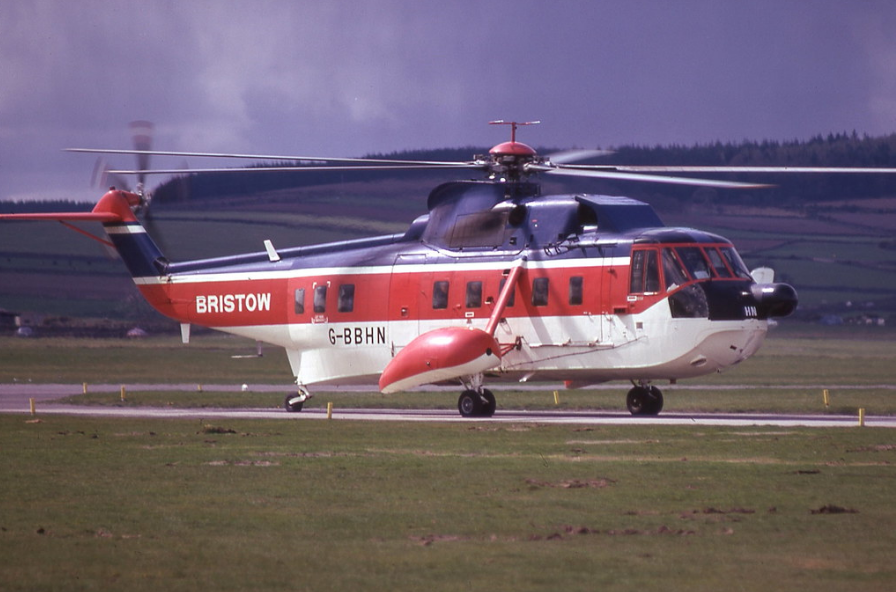
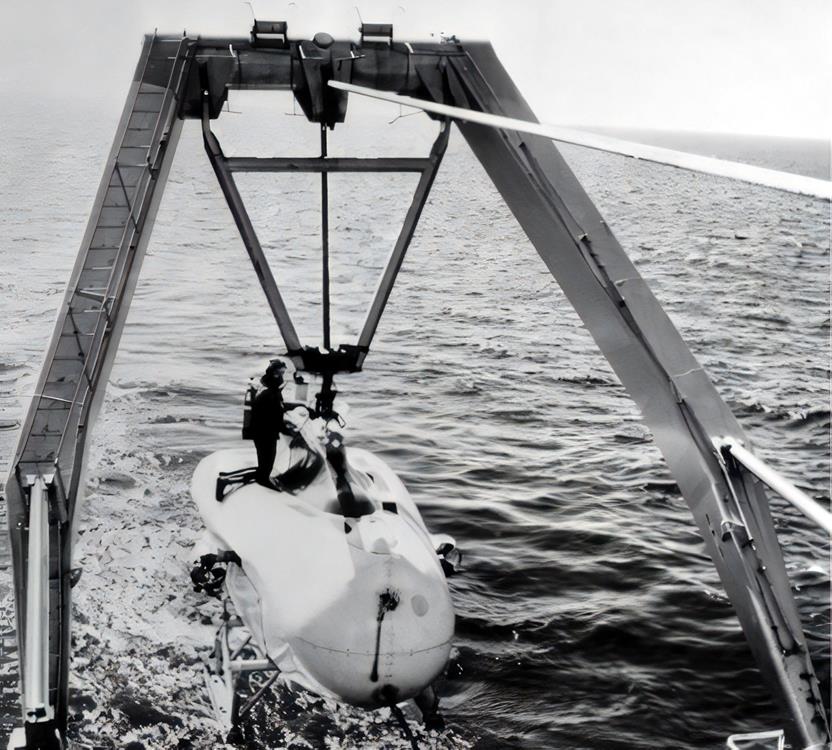
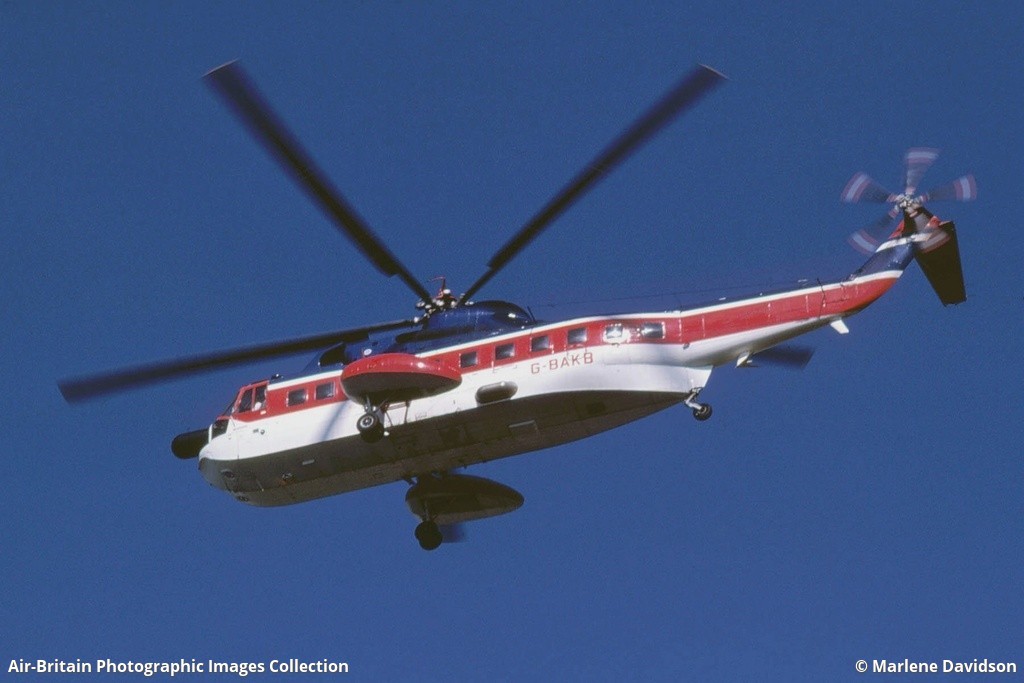
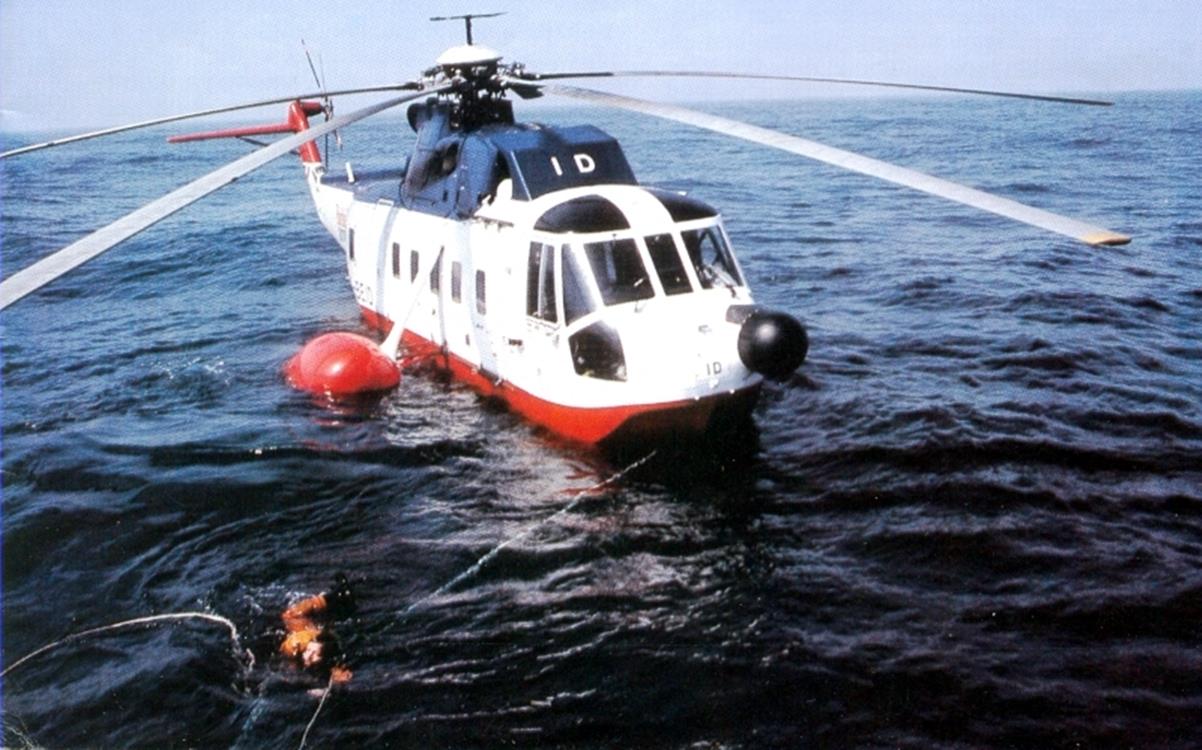
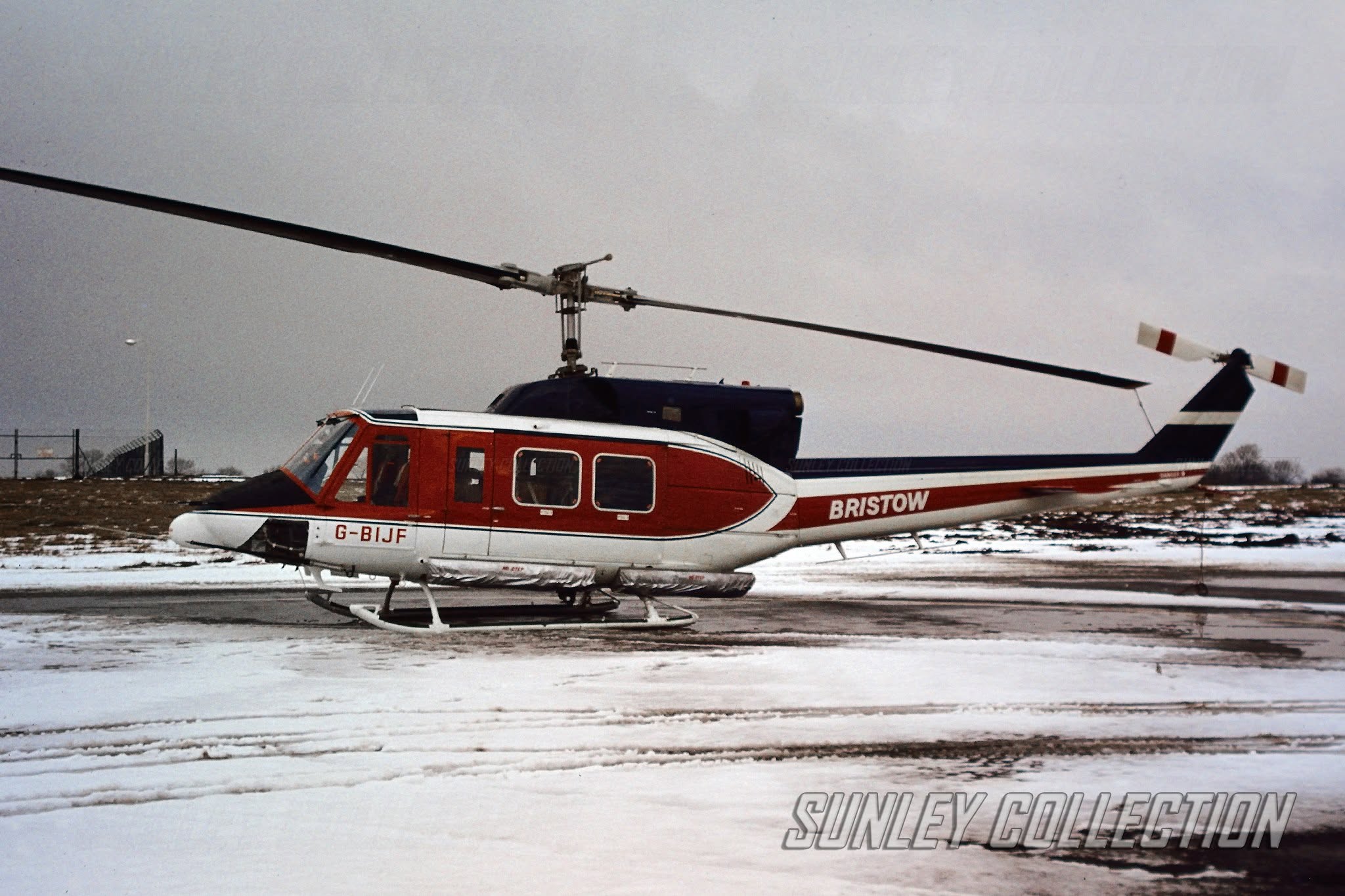
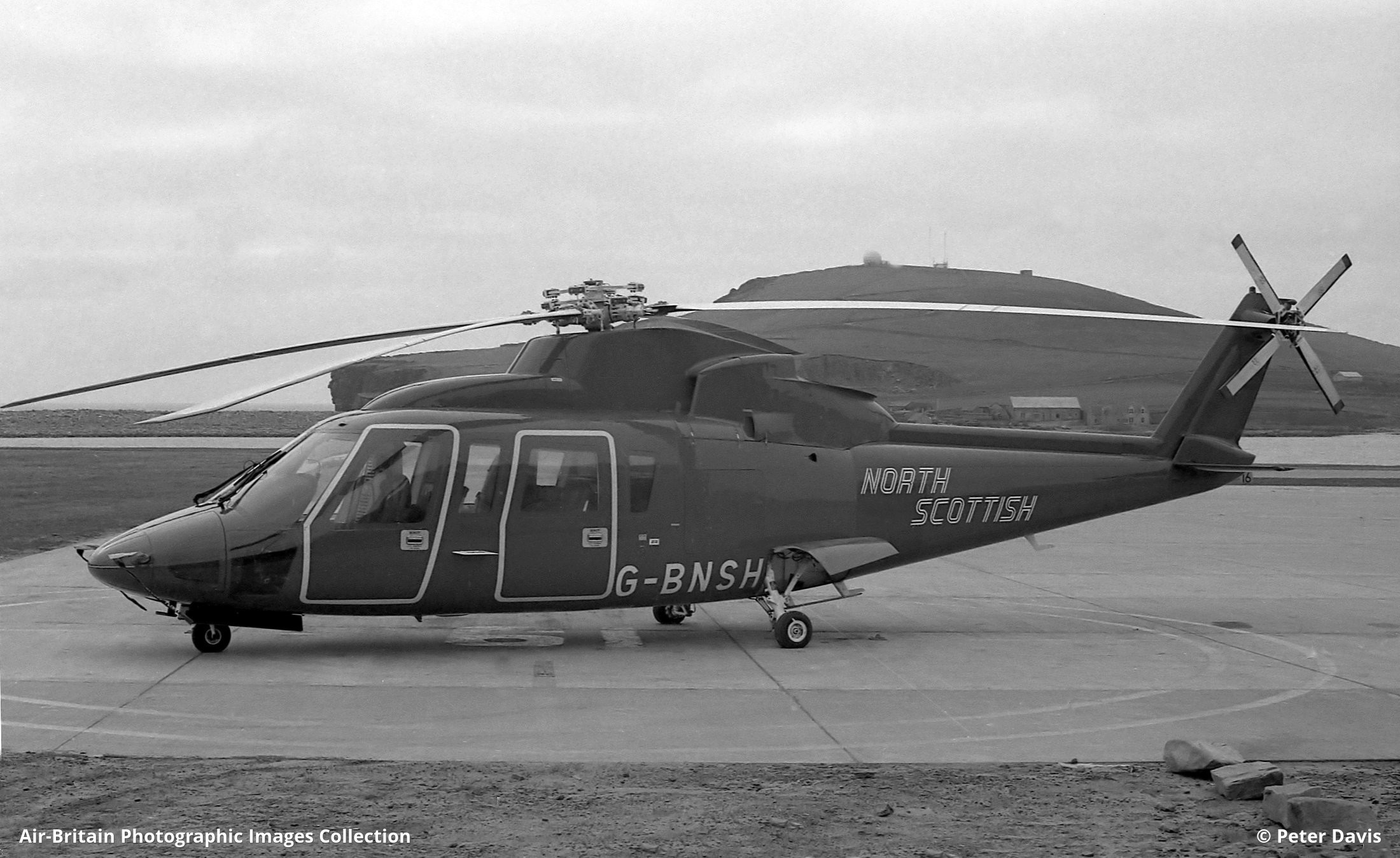
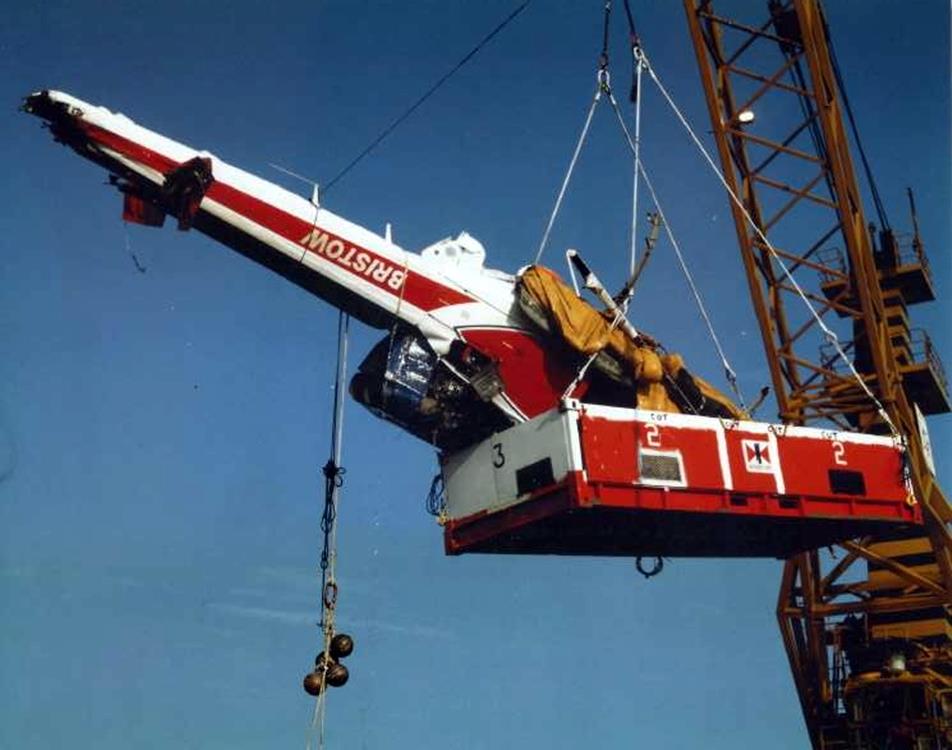
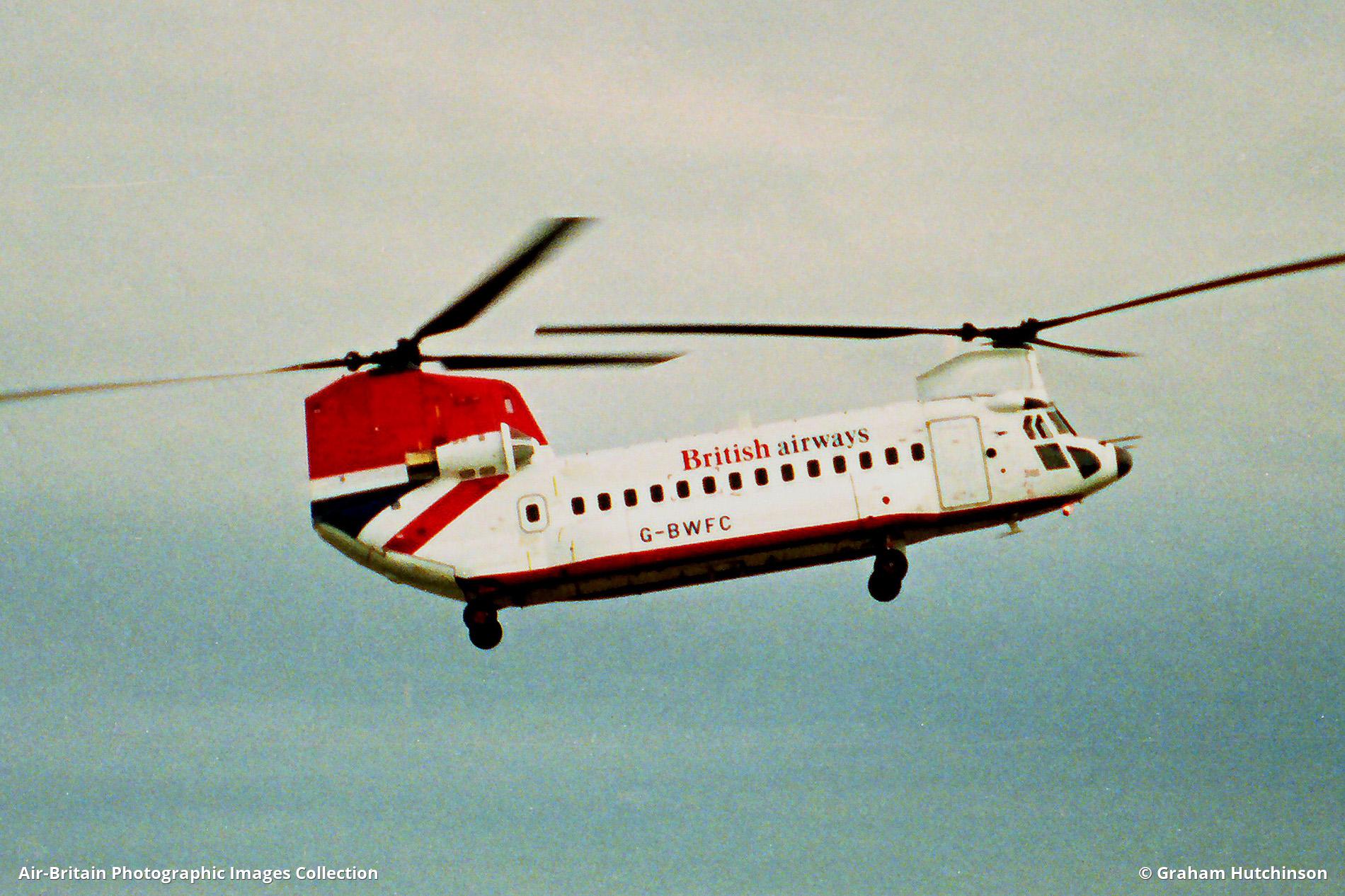
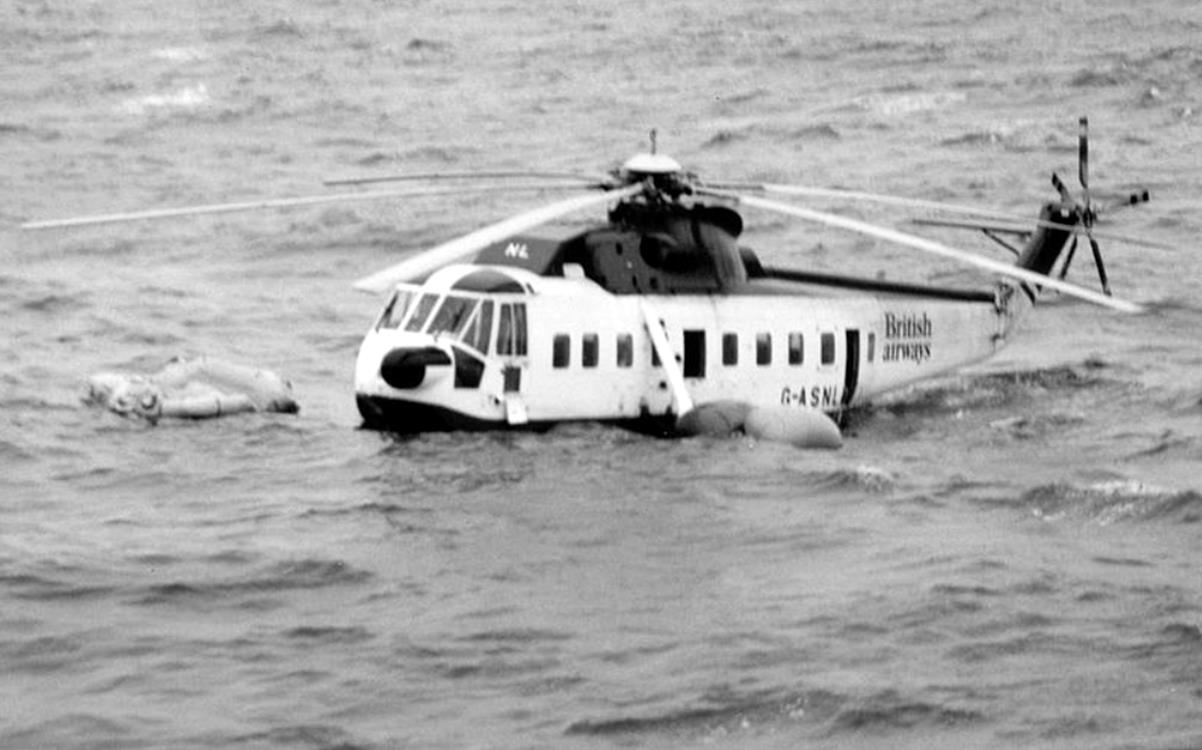
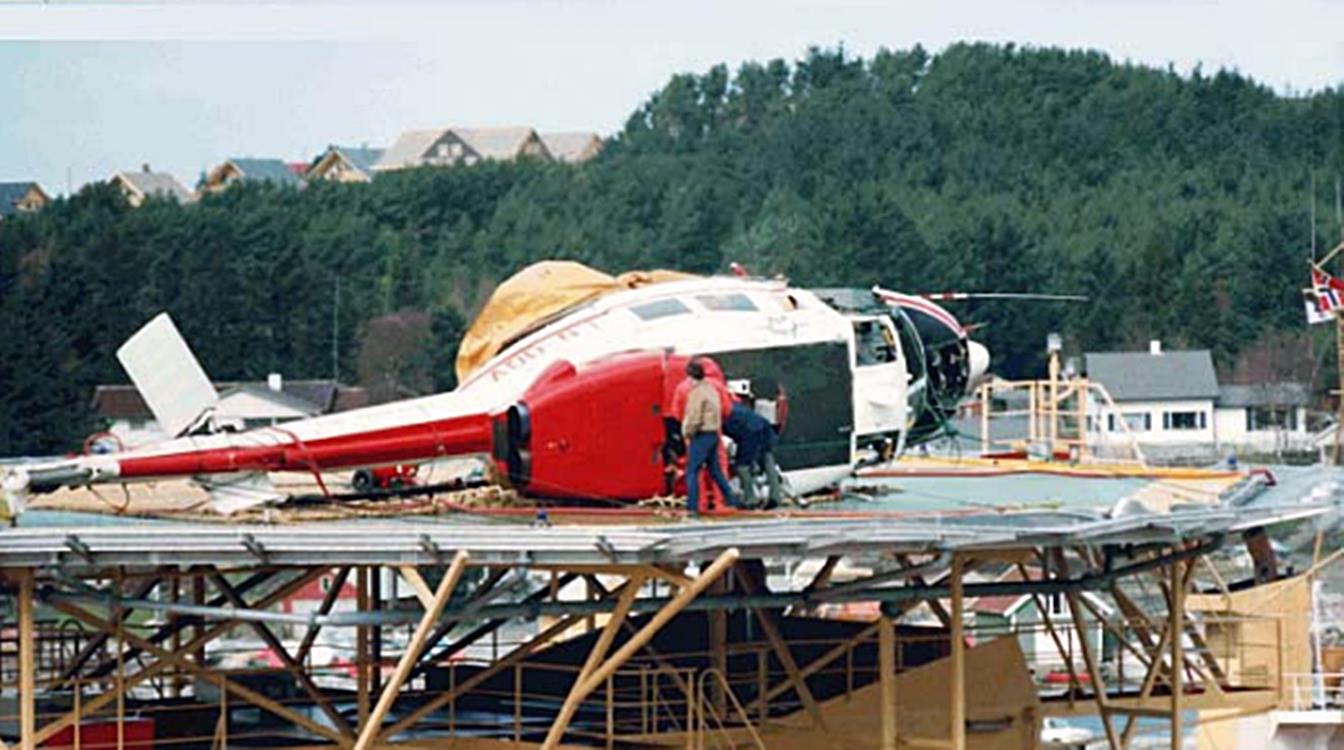
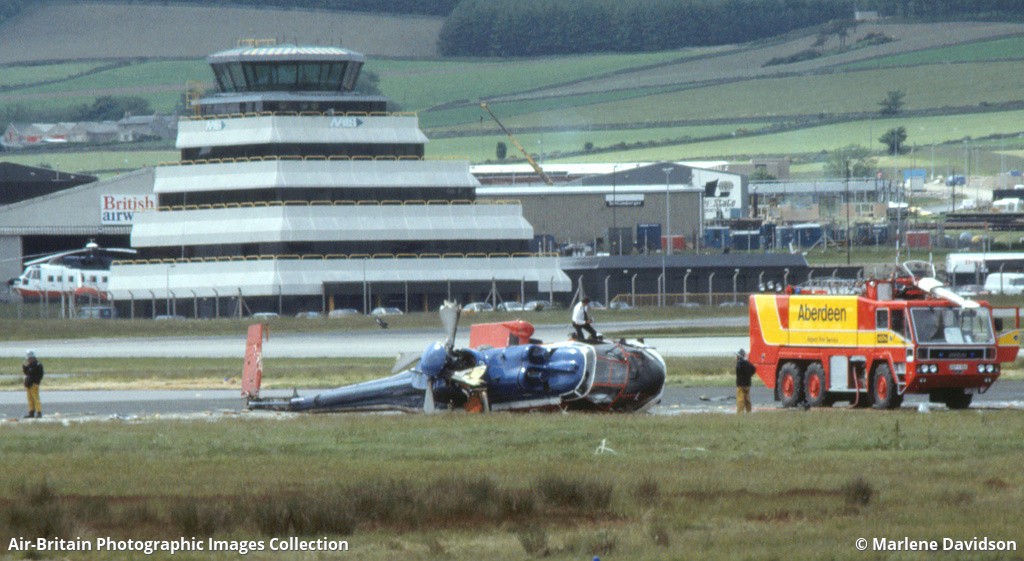
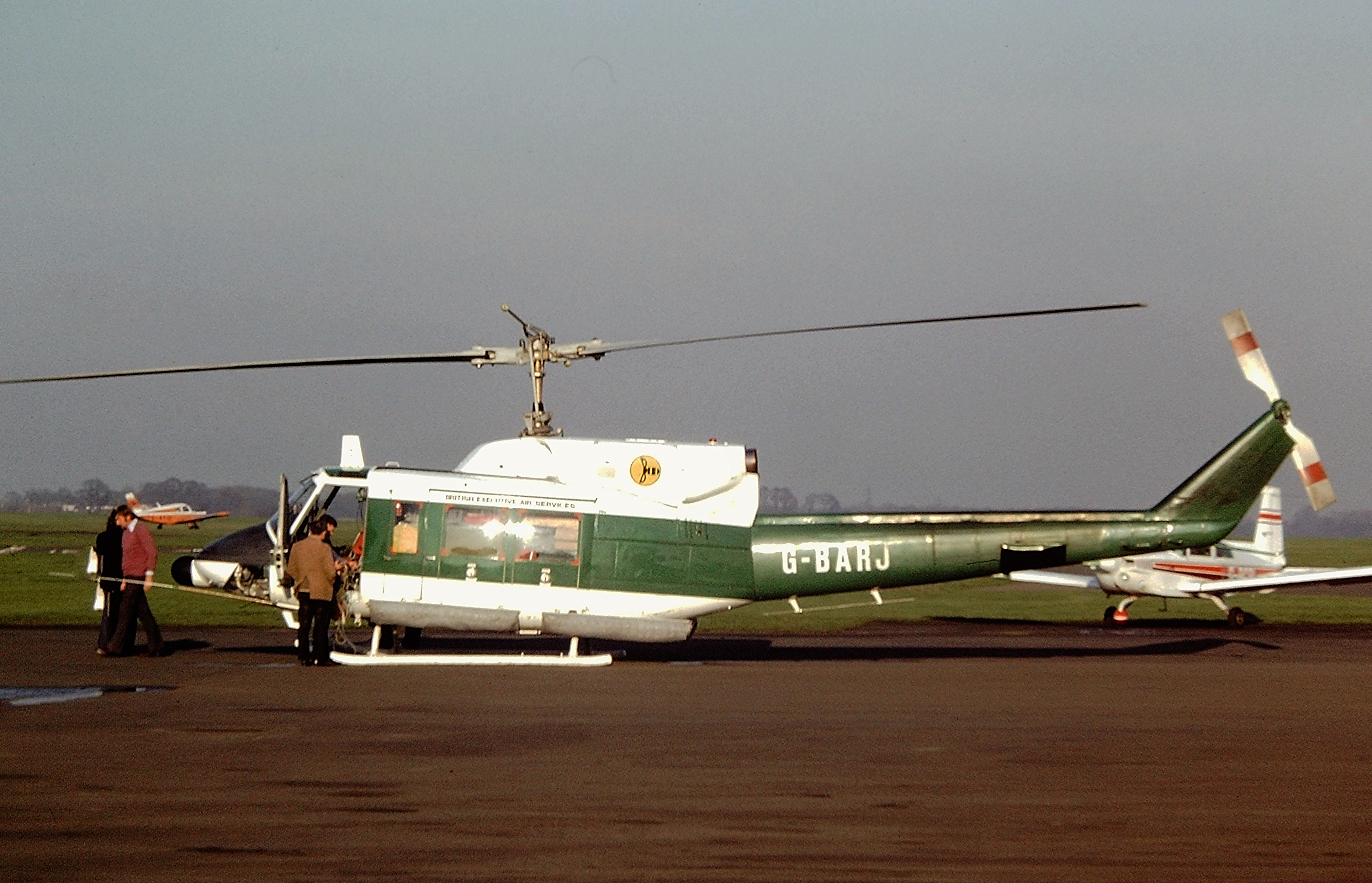
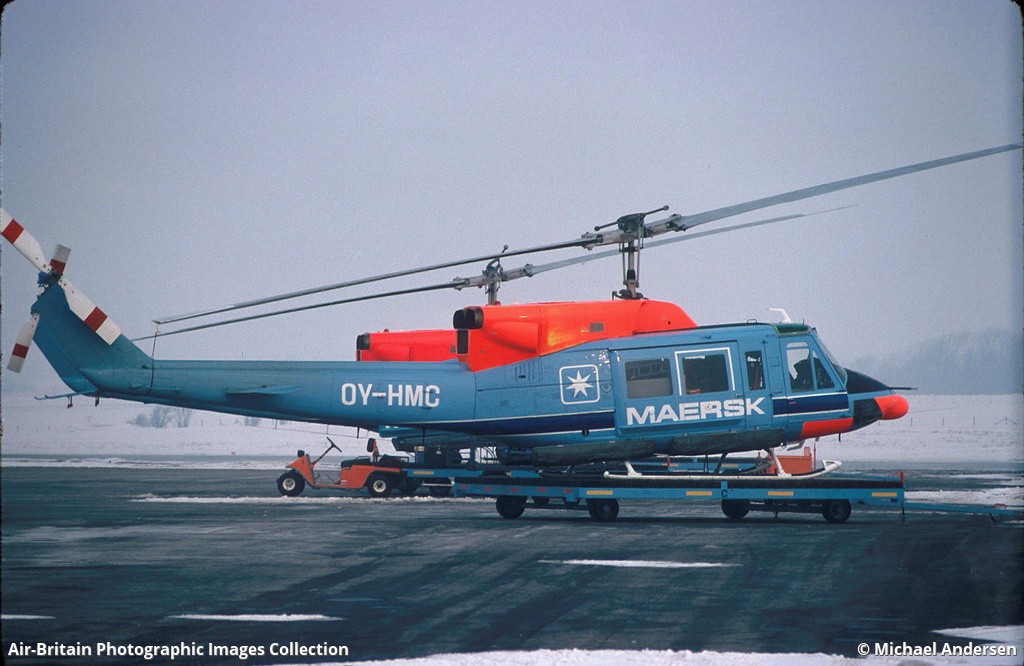
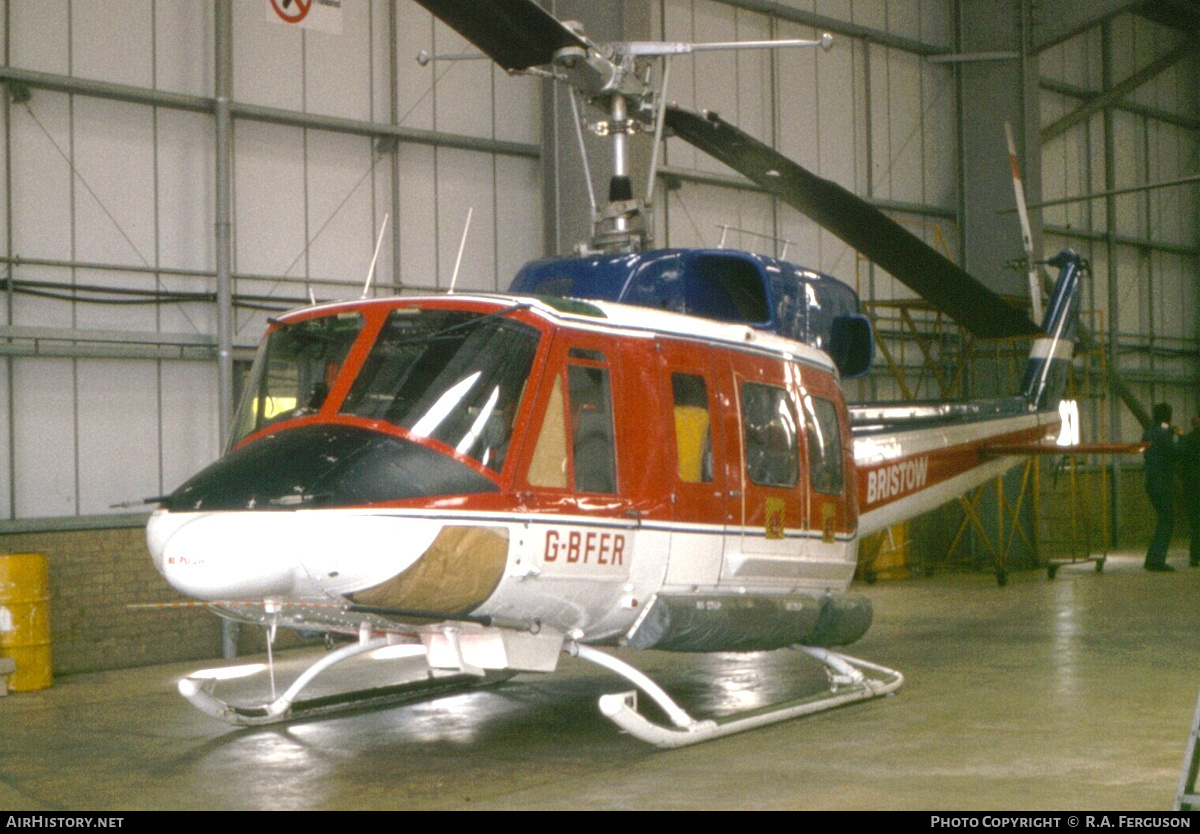
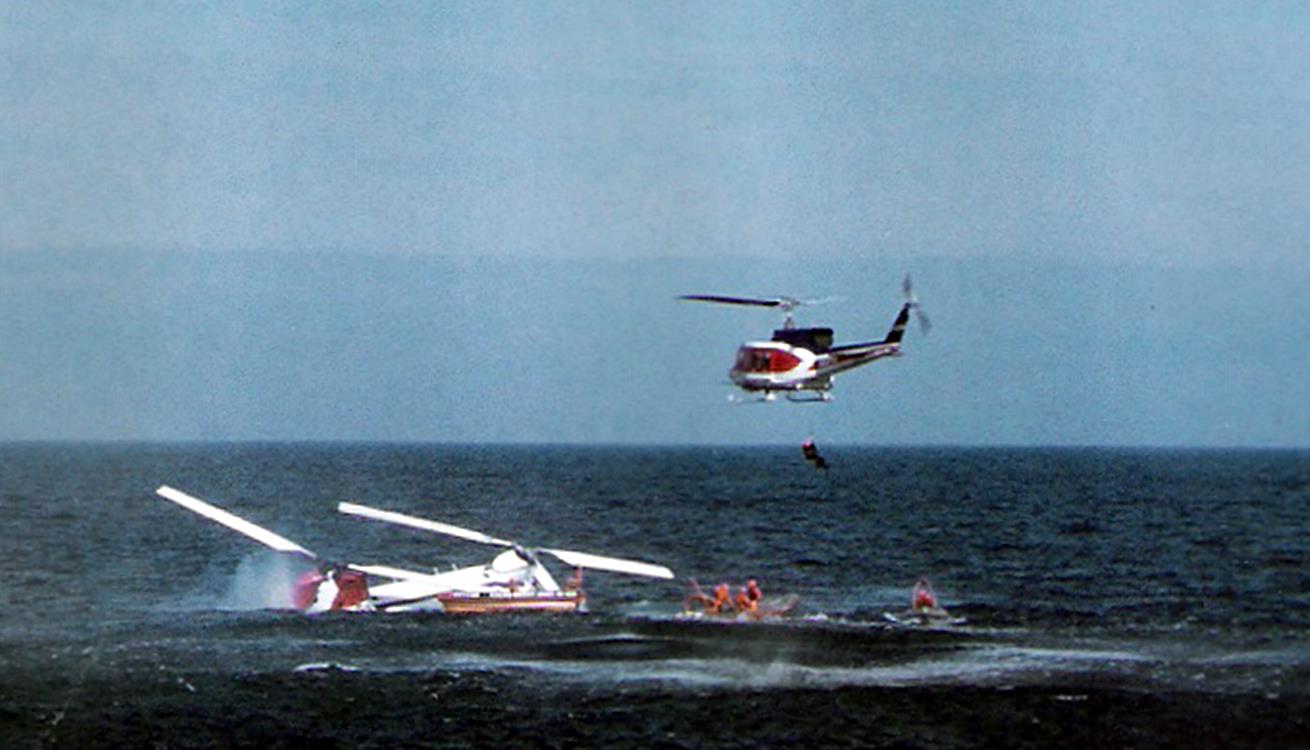
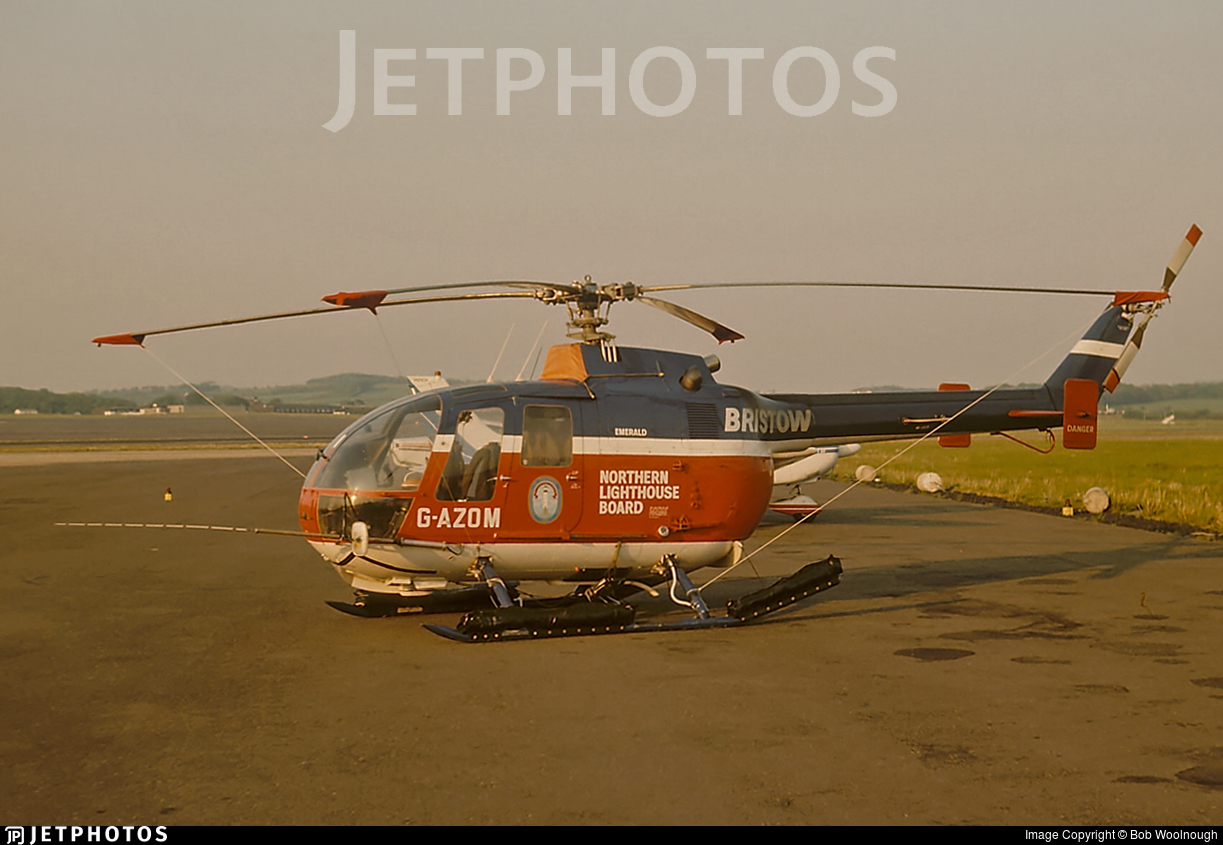
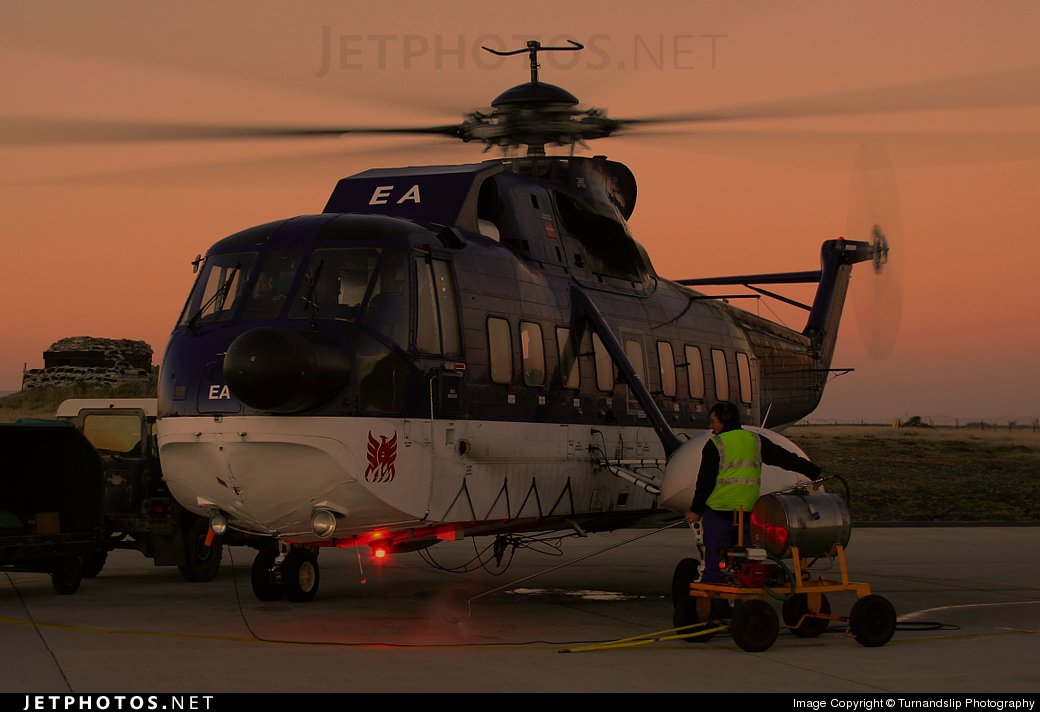
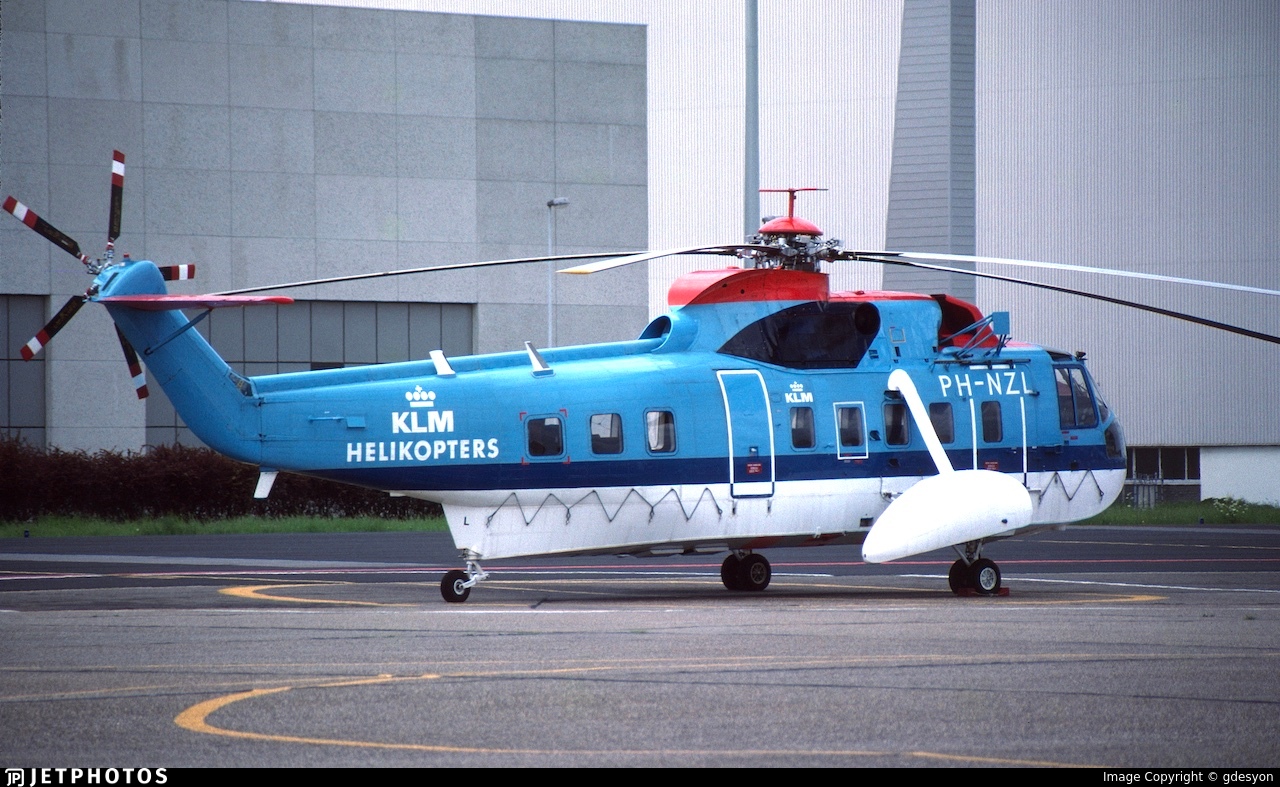
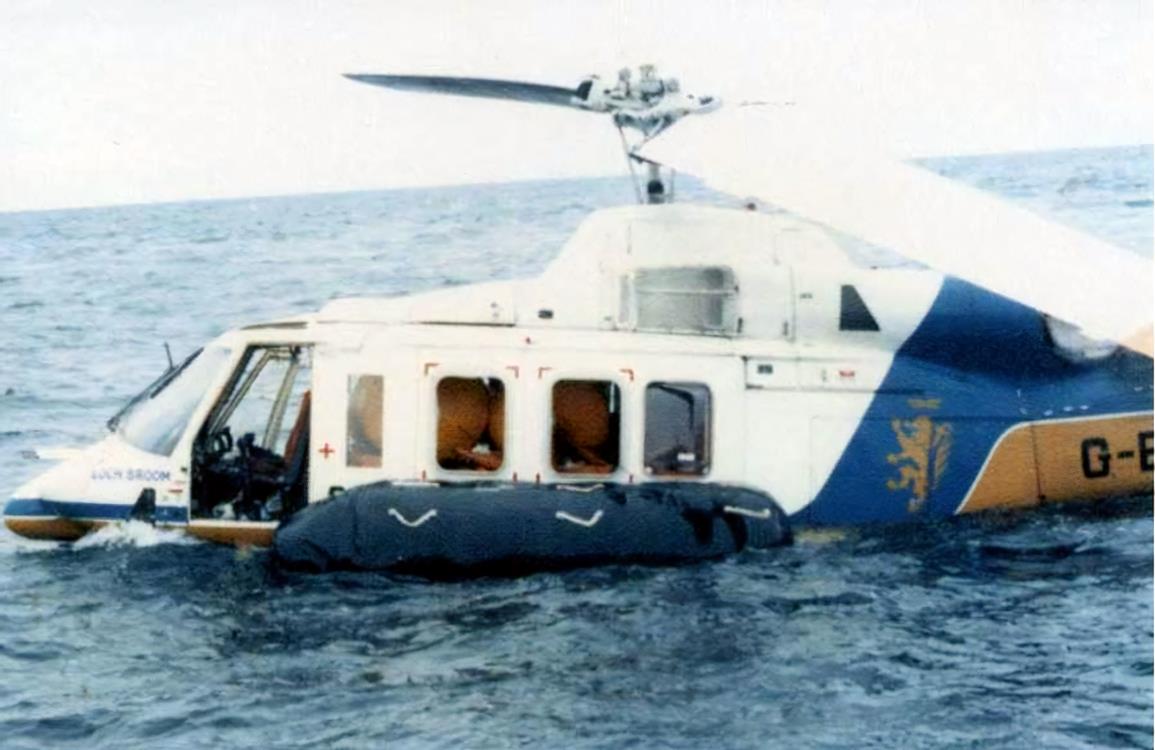
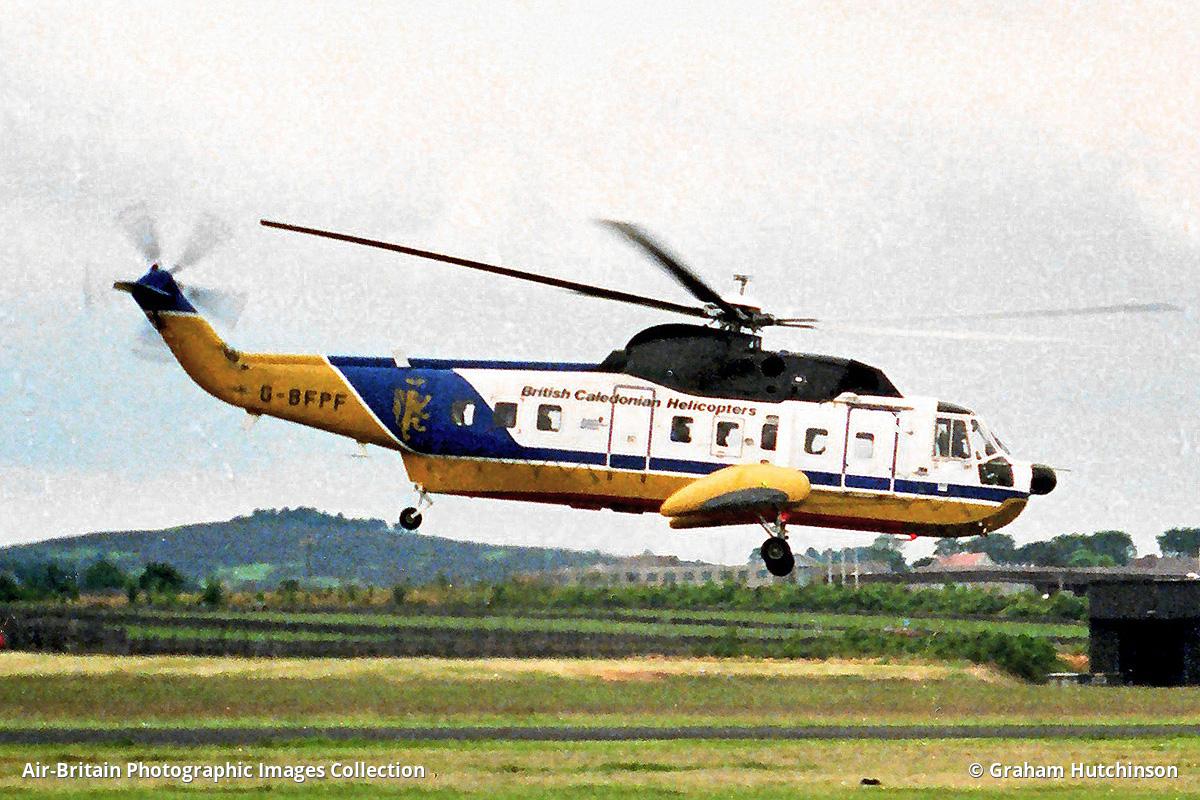
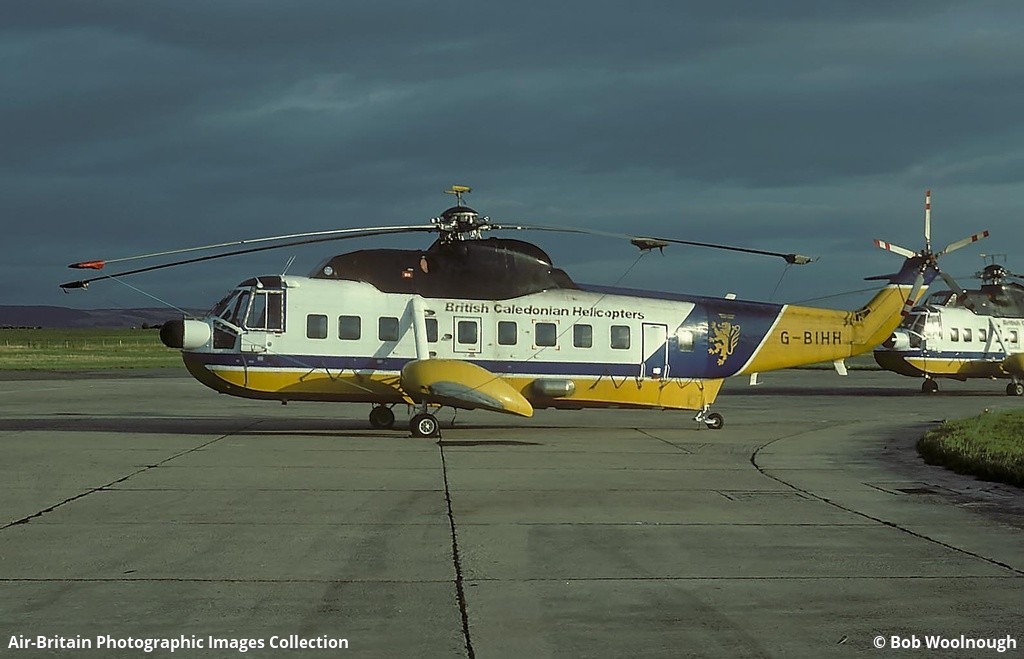
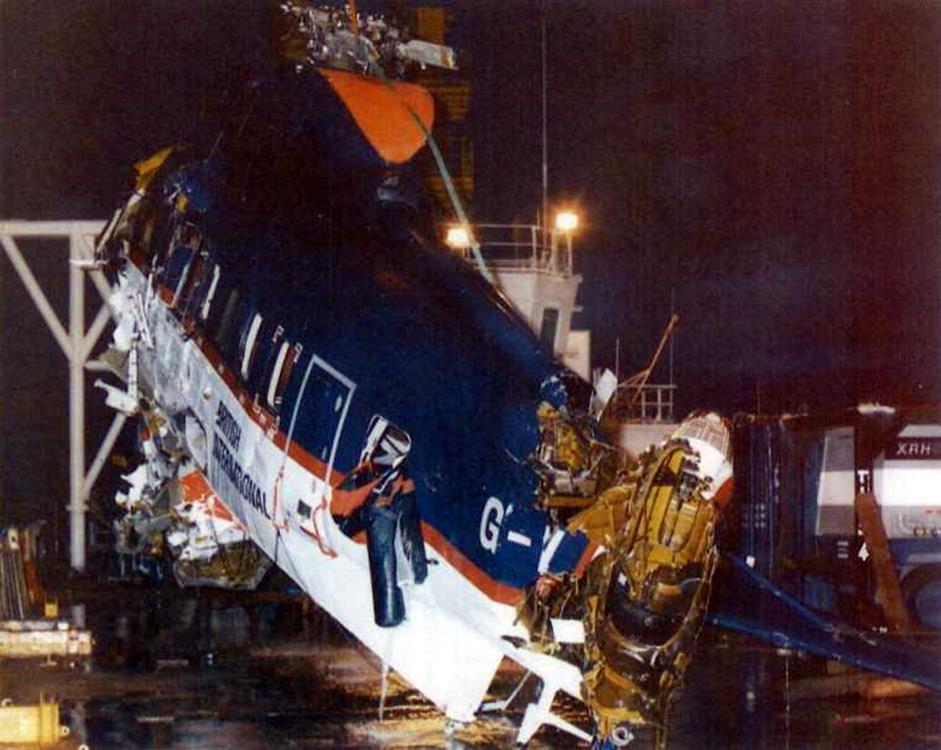
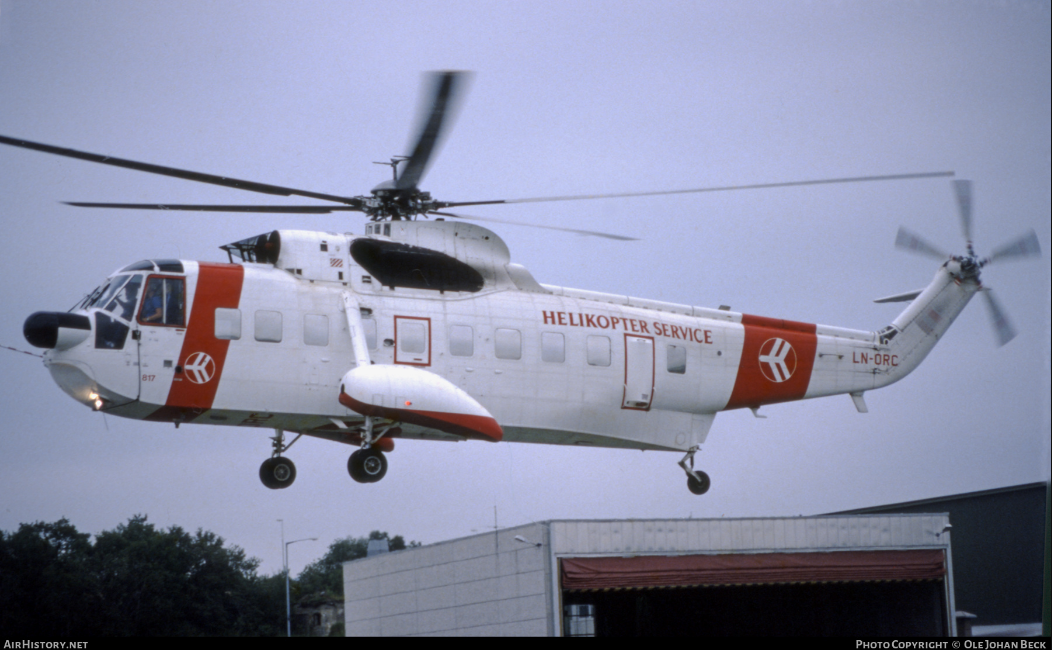
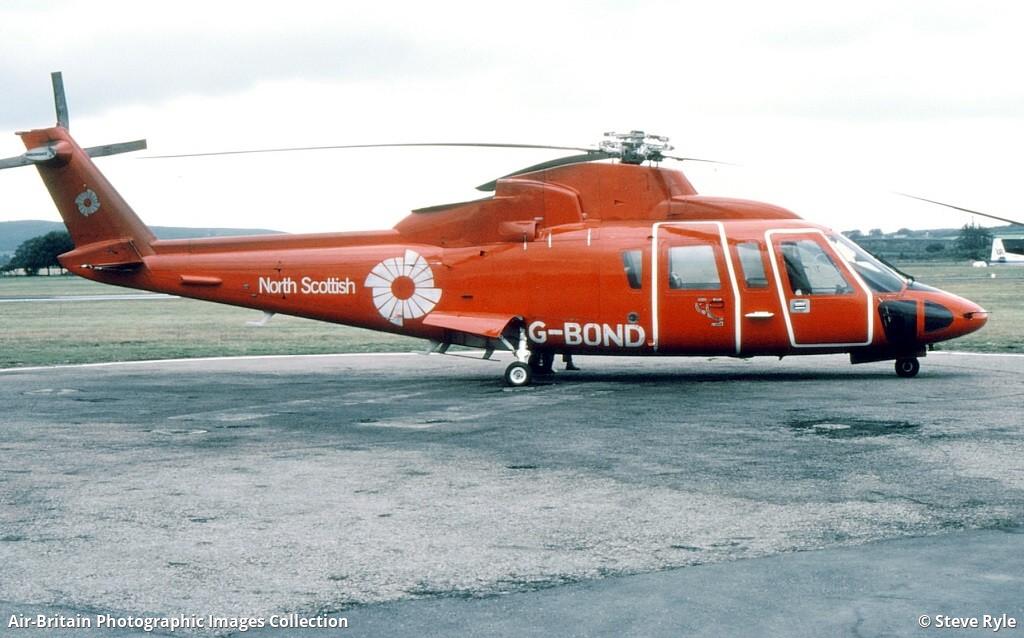
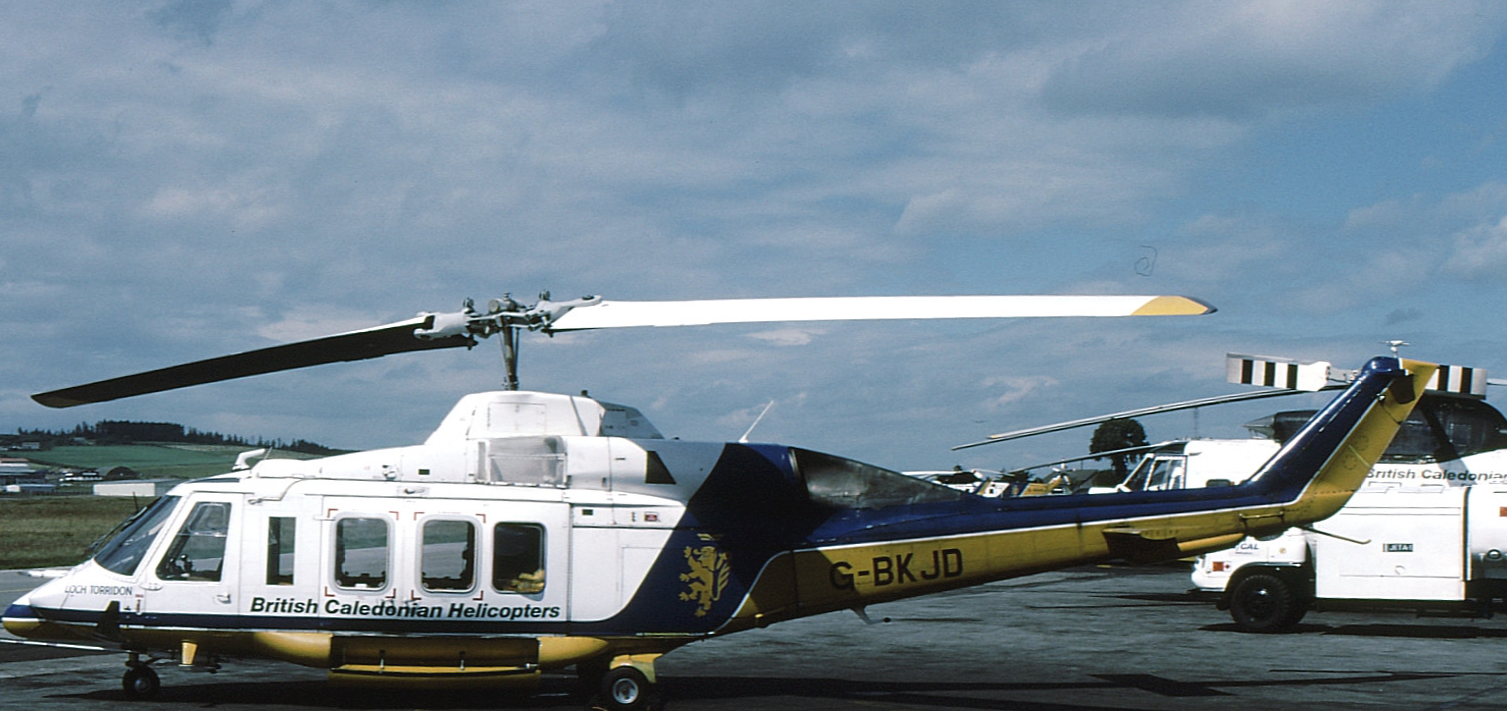
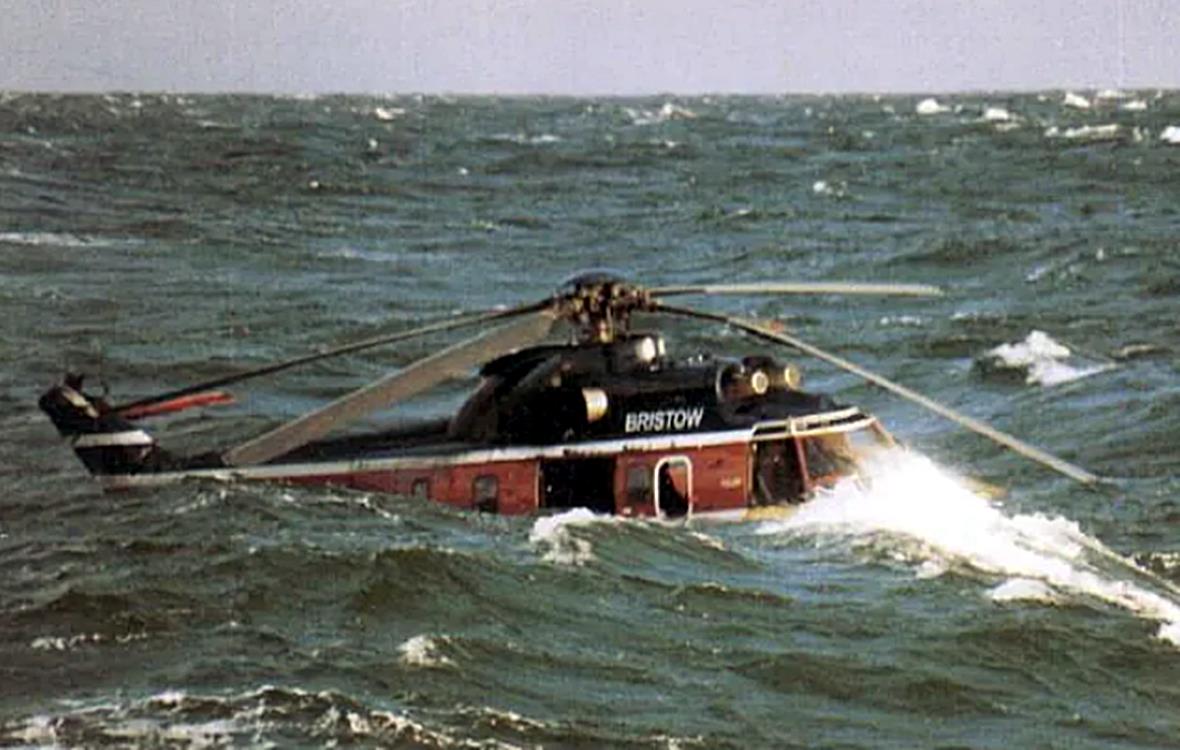
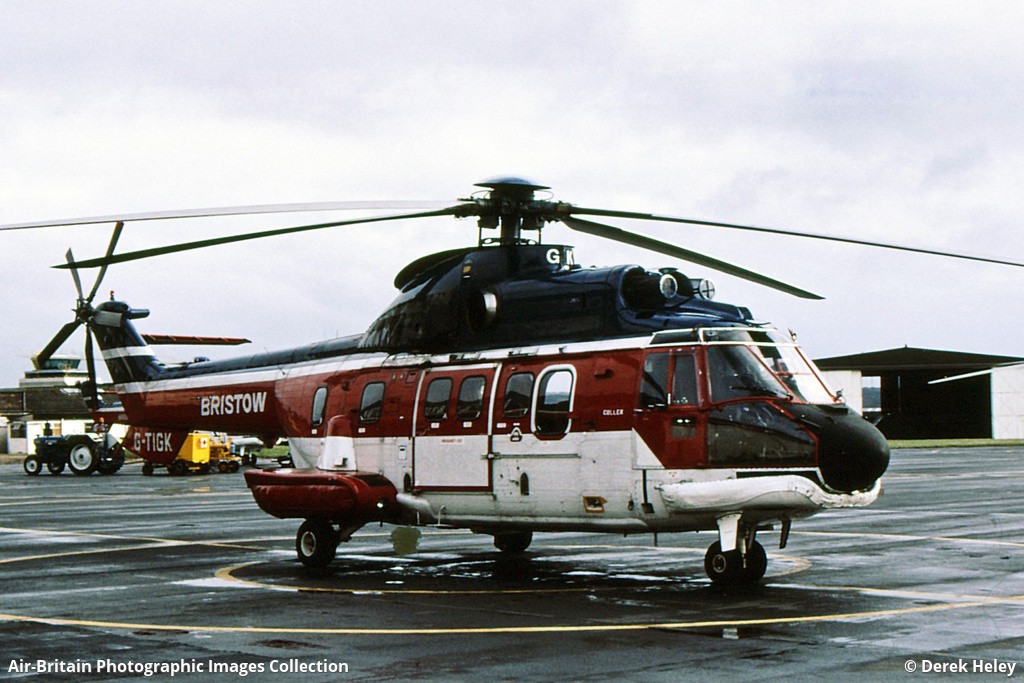
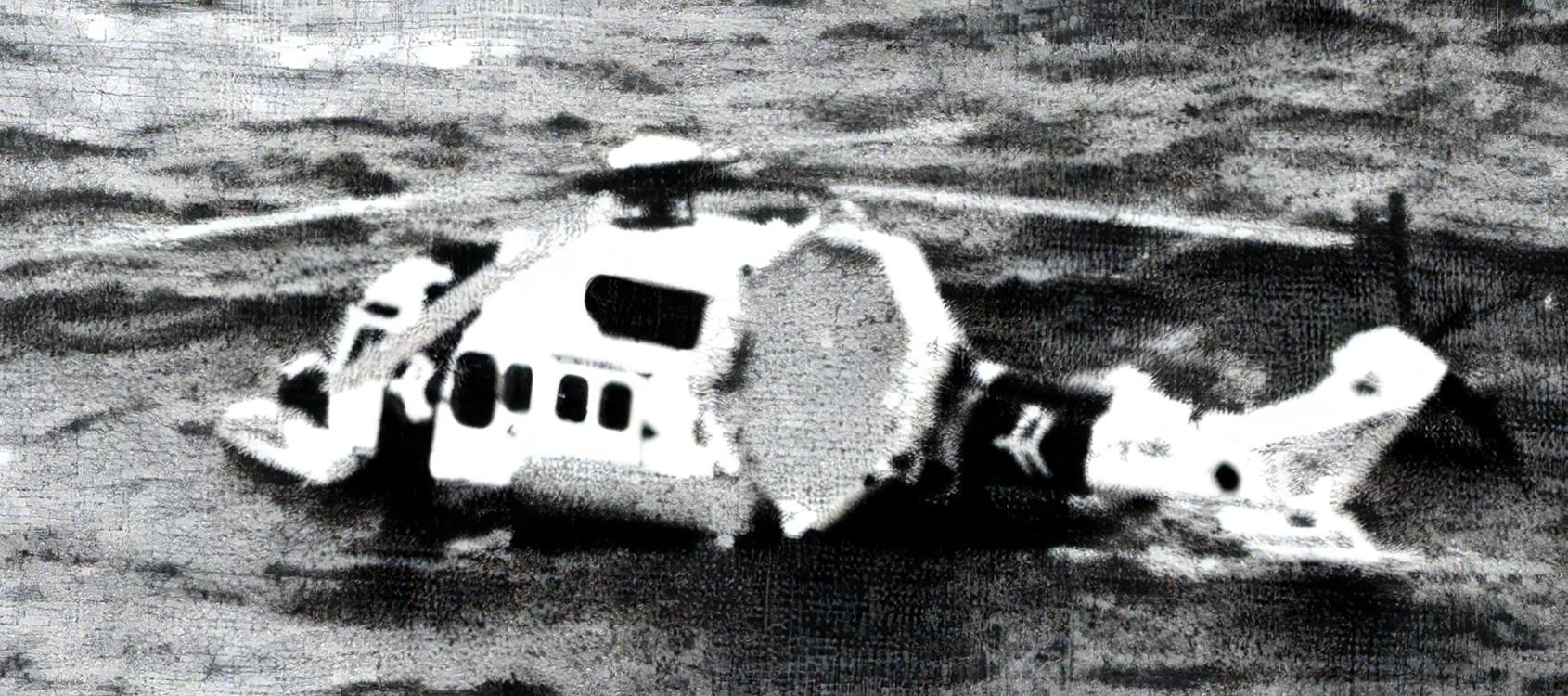
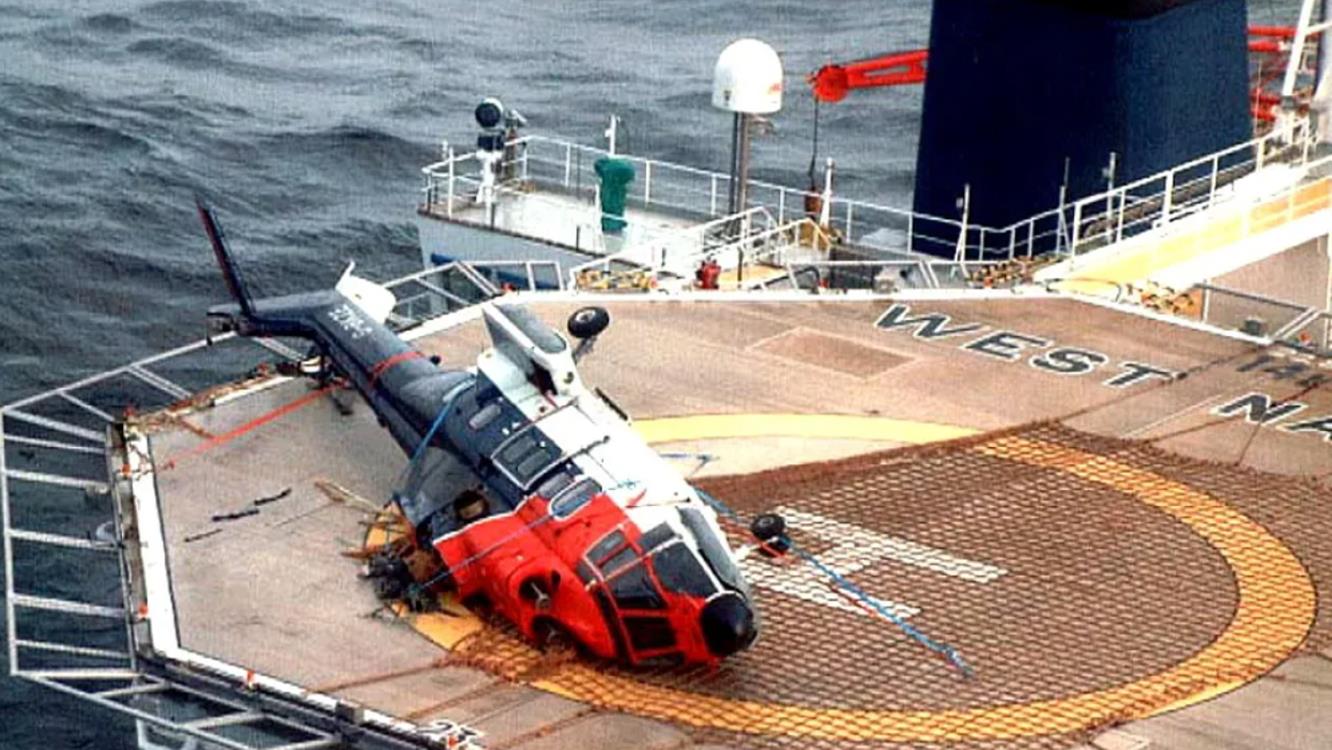
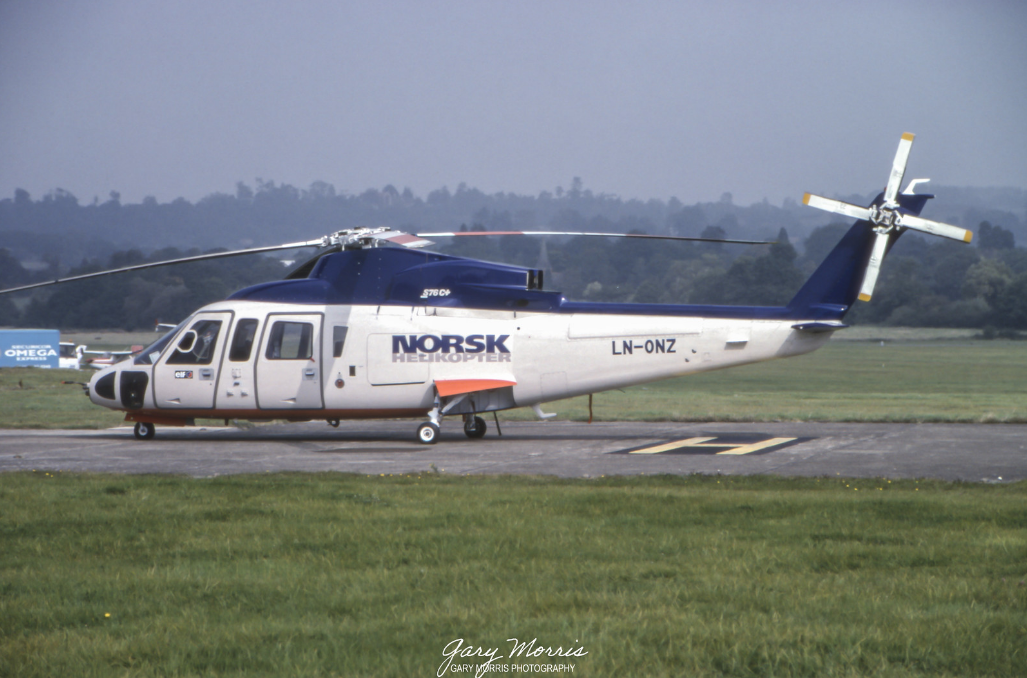
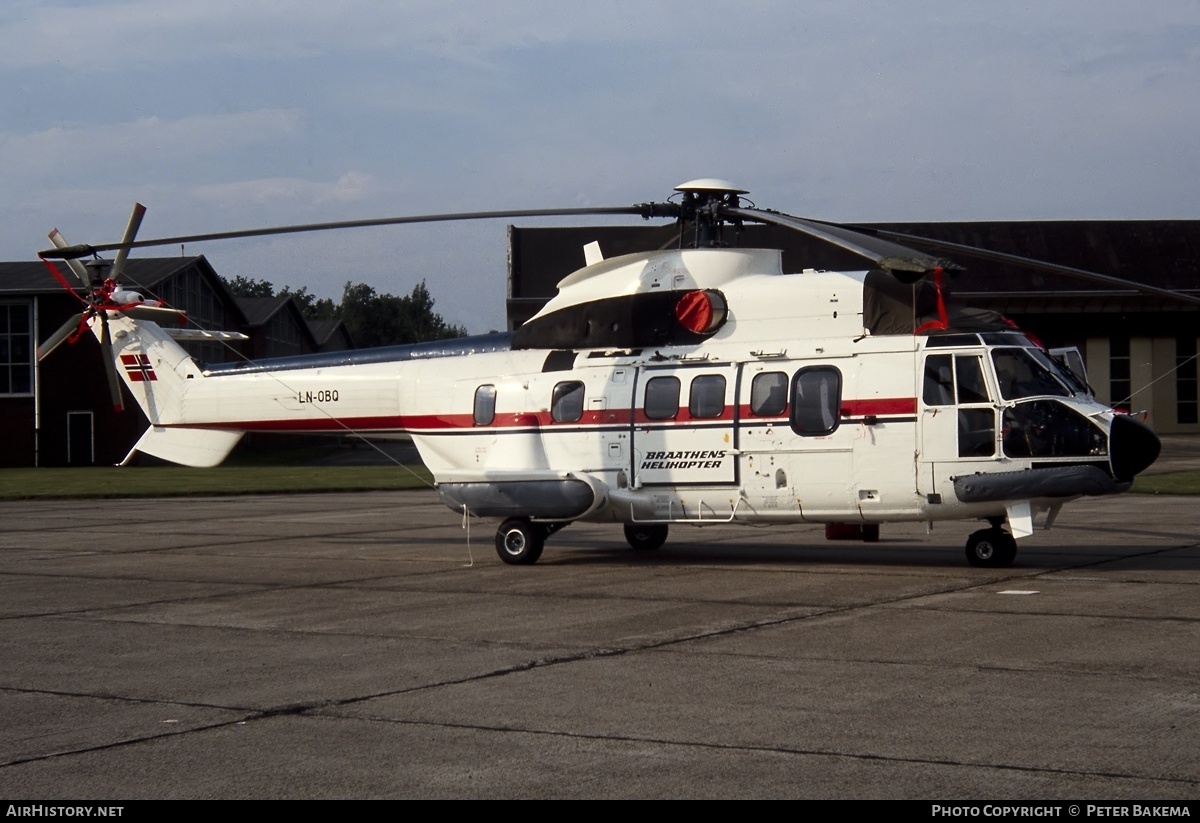
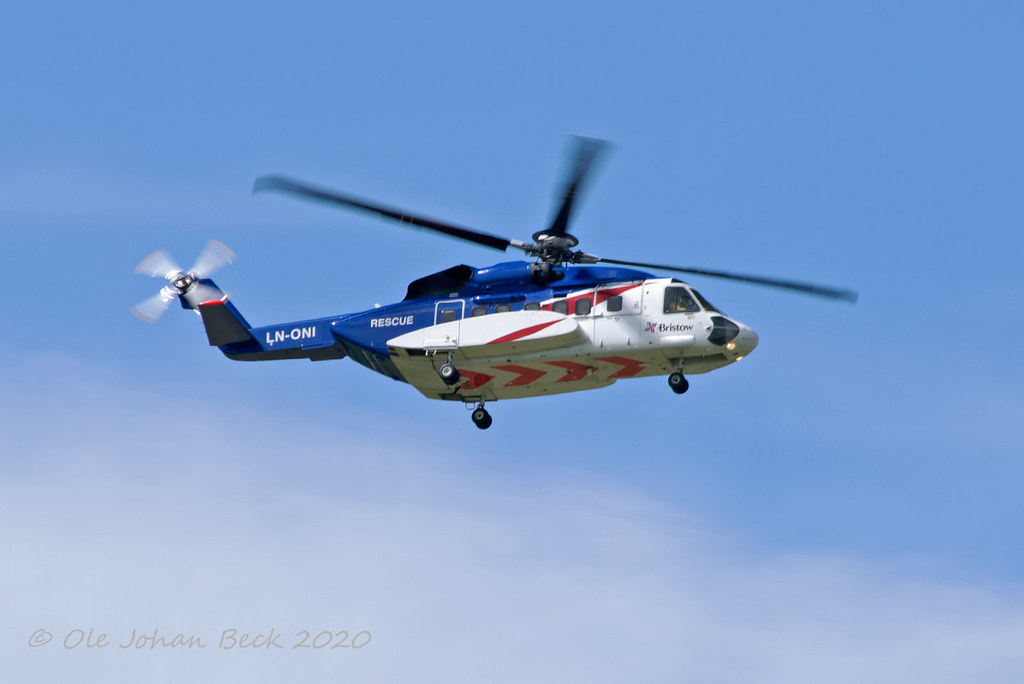
Twenty-nine fatal helicopter-related accidents and incidents have occurred within the scope of this chronology since 09 July 1973. These fatal commercial helicopter flight incidents in the North Sea Basin resulted in 214 officially recorded fatalities: 131 in the United Kingdom sector, not including a suicide after sustaining severe injuries; 69 in the Norwegian sector; and 14 in the other listed sectors.
The fixed-wing Dan-Air charter aircraft crash that took the lives of two pilots and fifteen oil field workers, referenced above, is not included in the helicopter fatalities tally.
In the United Kingdom sector, nineteen pilots, five SAR crew members, including a doctor and a nurse, two cabin attendants, one hundred and three passengers (not including a suicide after sustaining severe injuries), and two offshore helideck assistants have died (131 individuals).
In the Norwegian sector, twelve pilots, four SAR crew members, including two nurses, fifty-two passengers, and one offshore helideck assistant have died (69 individuals).
In the sectors of Belgium, Denmark, Germany, Ireland, and the Netherlands, six pilots, two SAR crew members and six passengers have died (14 individuals).
As of July 2026, the total number of fatalities related to helicopter accidents and incidents during or as a direct consequence of incidents related to oil and gas field exploration, production, and offshore SAR operations in the North Sea basin, including pilots, cabin attendants, SAR winchmen, SAR winch operators, SAR doctors, SAR nurses, passengers, and helideck crew, stands at two hundred and fourteen souls. This unofficial count spans from the first recorded fatal accident on 09 July 1973 to the most recent and hopefully last fatal crash on 28 February 2024.
While I have strived to ensure accuracy, some details in this timeline may be misreported or contain errors.
In addition to those who died, a significant number of people suffered severe, life-lasting physical injuries. Others suffered psychological and mental harm that also affected a number of the people who had to deal with the aftermath of these accidents, such as surface rescue crews, divers and, not least, the distraught relatives of the deceased.
The above-listed incidents are daunting, though one must remember the vast number of flights undertaken over the decades.
The Norwegian research organisation SINTEF has conducted four studies on helicopter safety in the Norwegian and British sectors. The first study, from the start of oil operations in July 1966 until 1989, showed that the helicopter fatality risk among oilfield workers in the Norwegian offshore industry (Norwegian Sector) was 4.1 fatalities per one million person-flight-hours. Governing bodies considered that statistic unacceptably high.
Study number two, conducted from 1990 to 1998, showed that the risk had halved to 2.3 fatalities per million flight hours; from 2000 onwards, incident statistics blessedly continued to decline.